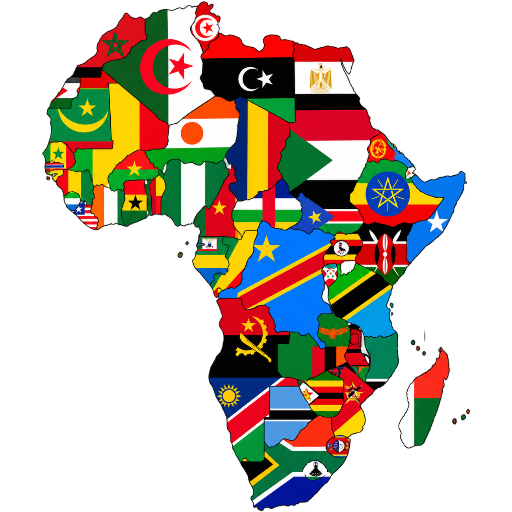
















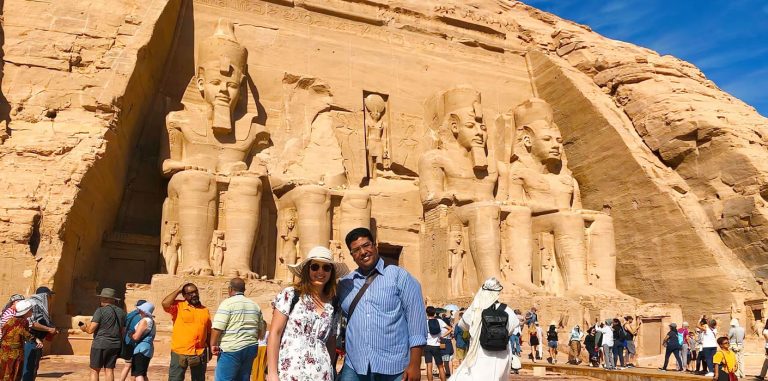










The next chapter of African tourism may be defined not only by where people travel, but by what they learn, whom they meet, and how their journeys contribute to the communities they visit.
Beyond the Photograph
For generations, travel has often been marketed through images: a spectacular waterfall, a pristine beach, a wildlife reserve, an ancient monument or a skyline glowing beneath the evening sun. These images have inspired millions to explore the world, and Africa has no shortage of places capable of taking a visitor’s breath away.
But travel is changing.
Increasingly, travellers are looking beyond the familiar checklist of attractions. They want to understand the places they visit, engage with their histories, experience their food, encounter their creative traditions and discover the people whose lives give destinations their character.
For Africa, this shift presents an important opportunity. The continent’s tourism appeal extends far beyond its celebrated landscapes. It is found in its languages, markets, music, architecture, culinary traditions, festivals, contemporary cities, conservation initiatives and the everyday creativity of its communities.
The emerging African travel experience is therefore not simply about adding more destinations to the tourist map. It is about developing journeys that connect visitors more meaningfully with the places they explore.
The question is no longer just, Where can I go in Africa? It is also, What can I understand, experience and contribute when I get there?
The Rise of Meaningful Travel
A transformative journey does not have to involve crossing a desert, climbing a mountain or travelling thousands of kilometres. Sometimes, it begins with a guided walk through a historic neighbourhood, a conversation with a craftsperson, a cooking session with local ingredients or an afternoon spent learning about a community’s relationship with its environment.
These experiences invite visitors to move beyond observation and towards understanding.
In cities such as Lagos, Accra, Nairobi, Kigali and Dakar, travellers can explore contemporary African life through art spaces, fashion studios, music venues, food markets, cultural centres and entrepreneurial communities. In smaller towns and rural destinations, locally organised experiences can offer insight into farming, traditional architecture, craft production, conservation and community history.
The value lies not in presenting communities as spectacles, but in creating opportunities for respectful exchange.
When thoughtfully designed, these journeys can benefit both the visitor and the host. Travellers gain a richer understanding of the destination, while local guides, artists, cooks, historians, farmers and small-business owners gain opportunities to share their knowledge and earn income.
Meaningful travel is not automatically responsible travel, however. Its benefits depend on how experiences are designed, who controls them, how revenue is distributed and whether local people have a genuine say in how their communities are represented.
Five Experiences Redefining African Tourism
1. Cultural immersion: Understanding the stories behind the places
Africa’s cultural heritage is not confined to museums and monuments. It lives in the rhythms of music, the design of buildings, the preparation of food, the meanings attached to festivals and the ways communities remember their past.
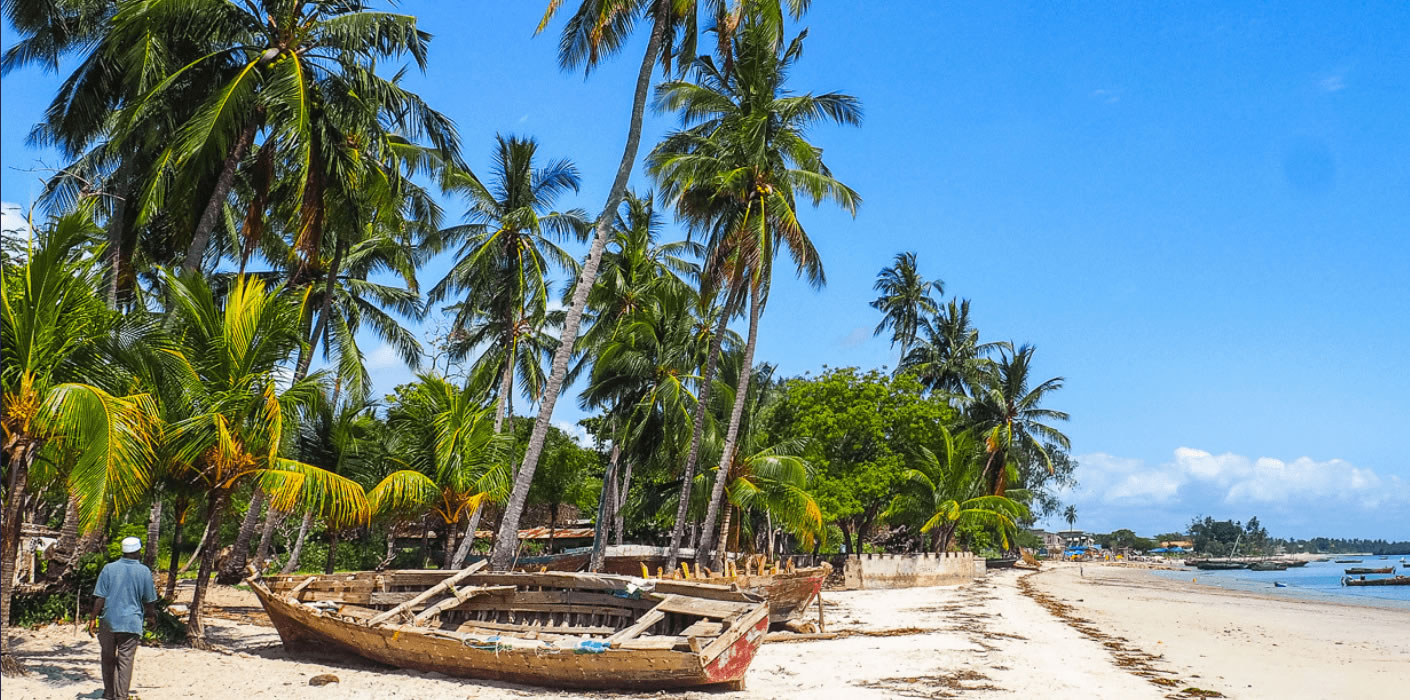
Travellers can explore Swahili heritage along the East African coast, learn about the histories of West African kingdoms, discover the architectural traditions of North Africa or experience contemporary artistic expression in African cities.
The most valuable experiences provide context. They explain why a tradition matters, how it has evolved and how people are reinterpreting it today.
Cultural engagement must also respect boundaries. Sacred practices, private ceremonies and community knowledge are not automatically available for public consumption simply because visitors are interested.
2. Culinary journeys: Discovering a continent through its kitchens
Food offers one of the most immediate ways to understand a destination.
A culinary journey might begin with a morning market, continue through a cooking demonstration and end at a family-owned restaurant or a contemporary dining space reimagining regional ingredients.
From Nigerian jollof rice and Ghanaian waakye to Senegalese thieboudienne, Ethiopian injera, Moroccan tagines and the diverse cuisines of Southern Africa, the continent’s food traditions reveal relationships between geography, agriculture, migration, trade and identity.
Food tourism can also connect visitors with farmers, fishers, processors, chefs and hospitality businesses. With appropriate sourcing and fair commercial arrangements, it can help strengthen local food systems while giving travellers an experience that extends beyond the dining table.
3. Nature and conservation: Travel with a lighter footprint
Africa’s natural attractions remain among its strongest tourism assets. Yet the future of nature-based travel depends on protecting the ecosystems that make these destinations valuable.
Wildlife experiences, guided hikes, birdwatching, marine exploration, forest visits and community-led conservation programmes can help visitors appreciate the relationships between biodiversity and human livelihoods.
The strongest models recognise that conservation and community welfare are connected. Local communities should have meaningful opportunities to participate in tourism decisions and benefit from the economic activity generated around their natural heritage.
Responsible visitors can contribute by following wildlife-viewing rules, respecting protected areas, choosing credible operators and avoiding activities that exploit animals or damage fragile environments.
The objective is not merely to see nature, but to help ensure that it remains protected for future generations.
4. Wellness and restoration: Finding room to breathe
Modern travel is increasingly associated with rest, wellbeing and the desire to step away from demanding routines.
Across Africa, the potential for wellness-oriented travel spans coastal retreats, nature-based relaxation, movement and fitness experiences, spa services, meditation settings and destinations that encourage slower exploration.
A wellness journey might combine swimming, walking, nourishing food, restorative accommodation and time spent in a peaceful natural setting. It may also include locally rooted wellness traditions, provided these are represented accurately and practised with appropriate expertise and consent.
This opportunity connects tourism with hospitality, recreation, fitness and health-conscious lifestyles. It also creates room for African destinations to develop products for domestic travellers, regional visitors and international guests.
Wellness tourism should be presented responsibly, without unsupported medical promises or the commercial appropriation of cultural practices.
5. Creative encounters: Meeting the Africa of today
Africa’s story is not only ancient. It is also being written in recording studios, film locations, fashion workshops, design spaces, photography exhibitions, technology hubs and independent creative businesses.
Visitors increasingly have opportunities to experience the people and processes behind contemporary African culture.
A creative itinerary could include a guided exploration of a city’s art scene, a meeting with a designer, a visit to a film or music production space, a photography walk or attendance at a properly organised festival.
Such encounters reveal how African creators draw on heritage while experimenting with new forms, technologies and international collaborations.
They also offer a commercial opportunity: when creative experiences are properly organised, they can generate revenue for artists and cultural enterprises while broadening the visitor’s understanding of the destination.
The Power of Community-Based Tourism
One of the most important questions in tourism is simple: who benefits?
A destination may receive large numbers of visitors while much of the revenue flows to businesses operating outside the local economy. Communities may experience traffic, environmental pressure and rising costs without receiving a fair share of the value created.
Community-based tourism offers a different approach. It places local participation and benefit-sharing closer to the centre of the visitor experience.
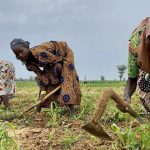
This may involve locally owned guesthouses, community guides, craft cooperatives, cultural experiences managed by residents, agricultural visits or conservation projects that provide transparent benefits to participating communities.
The approach is not a universal solution. Community enterprises need access to finance, training, reliable infrastructure, market connections and sound management. They also need the freedom to decide which experiences they wish to offer and which aspects of their lives should remain private.
When these conditions are respected, tourism can become more than a visitor economy. It can become a platform for enterprise development, cultural continuity and local participation.
Domestic and Regional Travel: Africa Exploring Africa
The international visitor has traditionally occupied a prominent place in many tourism strategies. Yet Africa’s own residents represent a significant audience for tourism businesses across the continent.
Domestic travel can encourage people to discover heritage sites, beaches, national parks, museums, historic towns and cultural events within their own countries. Regional travel can deepen connections between neighbouring countries through business visits, family journeys, festivals, sports, education and leisure.
For this market to grow, tourism products must respond to practical realities. Pricing, transport, accommodation options, payment methods, visa procedures, safety information and the quality of visitor services all influence whether a trip is feasible.
A family weekend away, a school heritage excursion, a group fitness retreat or a cultural festival can be as important to the tourism economy as a long-haul international holiday.
Developing accessible products for African travellers also challenges the assumption that destinations exist primarily for overseas visitors. Africa’s people are not merely hosts to global tourism; they are travellers, customers and explorers in their own right.
Technology Is Changing the Journey
The travel experience now begins long before arrival.
Digital platforms allow travellers to discover destinations, compare accommodation, consult reviews, book activities, navigate unfamiliar streets and share their experiences. Social media can introduce lesser-known places to new audiences, while digital storytelling can give small tourism businesses greater visibility.
For African destinations, this creates opportunities to reach visitors directly rather than depending entirely on large intermediaries.
However, digital visibility is only the first step. A destination promoted online must be supported by reliable information, responsive service, safe transport options, clear prices and experiences that match what has been advertised.
Smaller businesses may also need assistance with digital payments, online booking systems, photography, customer communication and data protection.
Technology should strengthen the relationship between visitors and destinations, not replace the human knowledge and hospitality that make travel meaningful.
The Challenges Behind the Promise
Transformative tourism is an attractive idea, but it cannot succeed through marketing alone.
Infrastructure remains a decisive factor. Roads, public transport, electricity, water, sanitation, telecommunications and dependable accommodation affect the quality of the visitor experience.
Safety and security information must be accurate and current. Travellers need clear guidance about local conditions, health requirements, entry procedures and emergency support. Destinations must communicate risks honestly rather than relying on promotional messaging to conceal them.
There is also the question of sustainability. Increased visitor numbers can place pressure on water supplies, natural habitats, historic neighbourhoods and community resources. Without thoughtful planning, the very places attracting visitors may be damaged by the growth of tourism.
Accessibility deserves equal attention. Older travellers, people with disabilities, families with young children and visitors with different mobility needs should not be excluded unnecessarily from tourism experiences.
Finally, local culture must never become a product stripped of its meaning. Tourism operators, publishers and destination marketers have a responsibility to represent people with dignity, seek permission where appropriate and avoid reducing diverse communities to convenient stereotypes.
The measure of success should not be visitor numbers alone. It should also include the quality of the experience, the distribution of economic benefits, environmental protection and the confidence of local communities in the way their stories are being shared.
Building a New Tourism Economy
The shift towards experience-led travel creates opportunities across multiple industries.
Hotels can partner with local guides, restaurants, artists and cultural organisations to create packages that extend beyond accommodation. Restaurants can develop culinary experiences linked to local farms and food heritage. Transport providers can connect visitors with destinations that are difficult to reach independently. Fitness, recreation and wellness facilities can build retreats and activity-based travel products.
Tourism boards and destination managers can support these partnerships by improving information, coordinating standards, investing in infrastructure and helping smaller operators reach wider markets.
Media organisations also have a role to play. The way destinations are described influences what travellers notice, where they spend money and how they understand the people they encounter.
For VOAM, this means looking beyond the familiar postcard image. It means documenting the entrepreneurs developing new tourism experiences, the communities protecting heritage, the businesses building local value chains and the destinations finding ways to welcome visitors responsibly.
A compelling travel story should inspire curiosity, but it should also help readers make informed choices.
The Journey Ahead
Africa does not need to become something else to attract the world’s attention. Its landscapes, cultures, histories and contemporary creativity already offer extraordinary reasons to explore.
The opportunity lies in connecting these assets with thoughtful planning, strong local participation, responsible investment and high-quality visitor services.
The future of African tourism may be shaped by journeys that combine a historic site with a conversation, a landscape with an understanding of conservation, a meal with the story of its ingredients or a festival with an appreciation of the people who sustain it.
Such travel does not diminish the importance of famous attractions. It gives them greater meaning by placing them within the wider stories of the places they represent.
The destination is where the journey begins. Understanding is what can make it transformative.

VOAM DESTINATION AFRICA | THE TAKEAWAY
Africa’s next tourism opportunity is not simply to attract more visitors. It is to create better journeys: experiences that respect local culture, strengthen community enterprise, protect natural and historic assets, and give travellers a deeper understanding of the continent. When tourism is designed around people as well as places, the value of a journey can continue long after the visitor has returned home.
VOAM QUESTION
If you could design one unforgettable journey through Africa, what would you want visitors to discover, experience or understand about the continent?