




















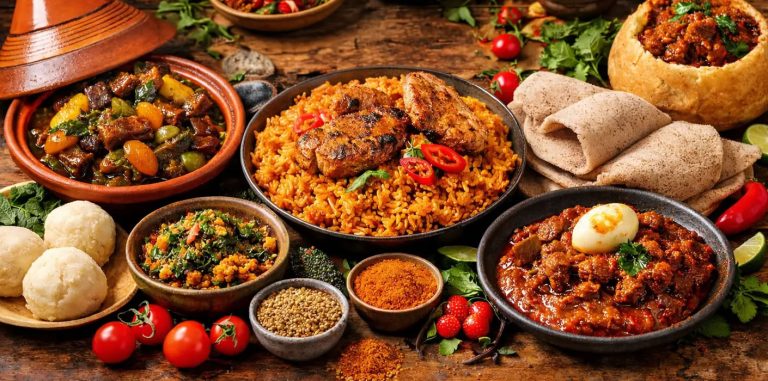








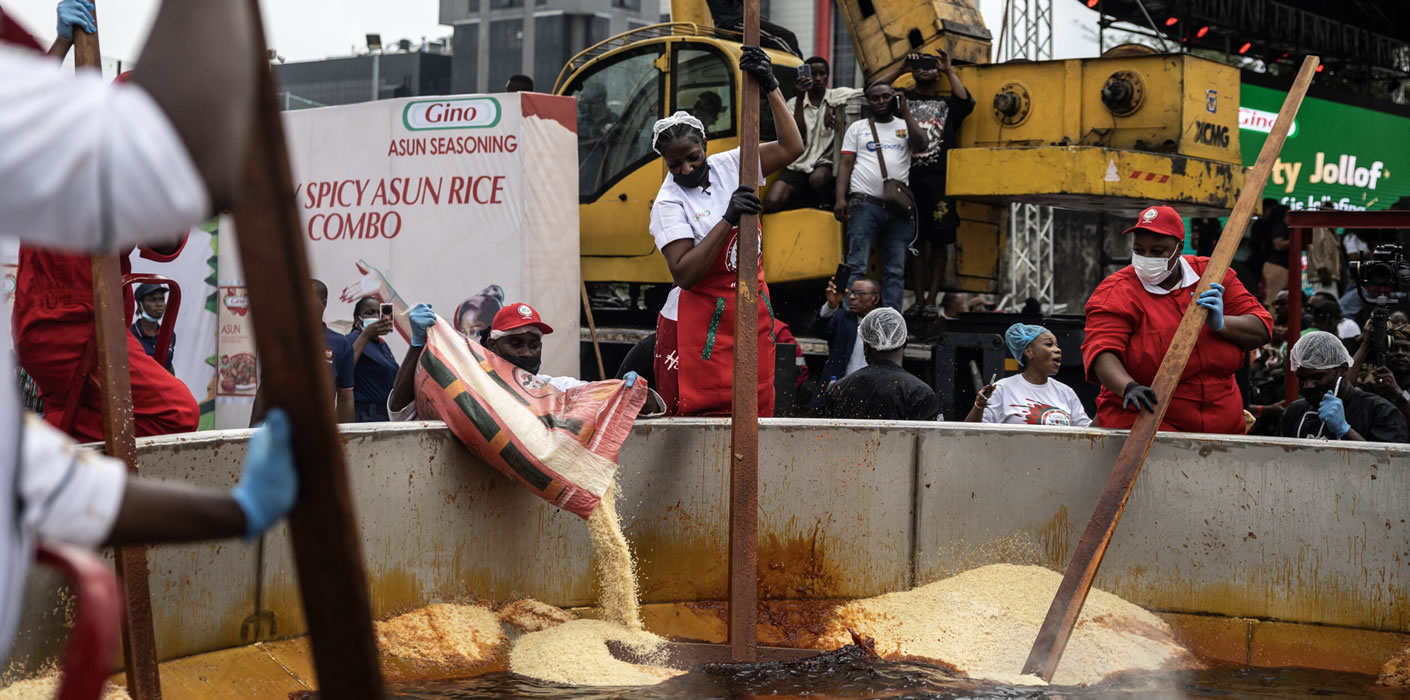

Africa is experiencing a culinary moment that extends far beyond its kitchens.
From the smoky aroma of Nigerian suya to the rich spices of Ethiopian cuisine, from Senegalese jollof to Moroccan tagines, from Ghanaian waakye to South African braai, African food is increasingly finding new audiences across international restaurants, food festivals, digital platforms and global culinary conversations.
What was once unfamiliar to many international consumers is becoming a source of curiosity, inspiration and commercial opportunity.
Chefs are reinterpreting traditional recipes. Restaurants are introducing African menus to new markets. Food entrepreneurs are transforming indigenous ingredients into contemporary products. Diaspora communities are preserving familiar flavours while introducing them to new generations.
At the same time, African food is gaining visibility through social media, travel, entertainment and the growing international interest in authentic culinary experiences.
This is more than a passing food trend. It is an opportunity to reposition African cuisine as an important part of global food culture while creating economic value for the farmers, producers, chefs, restaurateurs and entrepreneurs behind it.
But the African food revival must be understood on its own terms. It is not simply about making African dishes fashionable. It is about recognising the depth of the continent’s culinary traditions, protecting their cultural meaning and building sustainable businesses around their growing appeal.
A Continent Rich in Culinary Identity
Africa does not have one cuisine. It has thousands of food traditions shaped by geography, climate, history, migration, trade, religion and community life.
In West Africa, meals are often built around grains, tubers, vegetables, legumes, seafood, meats and richly flavoured soups and sauces.
Nigeria’s culinary landscape includes jollof rice, egusi soup, amala, pounded yam, moi moi, akara, suya and numerous regional specialities. Ghana offers waakye, banku, kenkey, fufu and a variety of soups and stews. Senegal is known for thieboudienne, a celebrated rice and fish dish, while Côte d’Ivoire has its own distinctive food culture, including attiéké and kedjenou.
In East Africa, the food story reflects coastal trade, pastoral traditions, agriculture and centuries of cultural exchange. Ethiopian injera and its accompanying stews, Kenyan nyama choma, Ugandan matoke, Tanzanian pilau and the coastal flavours of Zanzibar demonstrate the region’s culinary diversity.
North African kitchens are shaped by Mediterranean, Amazigh, Arab, African and other historical influences. Moroccan couscous and tagines, Tunisian harissa, Egyptian koshari and Algerian traditional dishes illustrate a region where food is closely connected to family, hospitality and heritage.
Central African food cultures feature cassava, plantains, fish, leafy vegetables, groundnuts and other ingredients prepared in distinctive regional ways. Across Southern Africa, traditional and contemporary food cultures include pap, chakalaka, braai, bobotie, biltong and many indigenous dishes.
The islands of the Indian Ocean and Atlantic add further dimensions through Creole, African, Asian and European influences.
These cuisines are not isolated collections of recipes. They are living records of how African communities have cultivated land, exchanged ingredients, adapted to their environments and expressed identity through food.
The Power of Indigenous Ingredients
One of the strongest foundations of the African food revival is the continent’s extraordinary range of indigenous and locally established ingredients.
Many are familiar within local communities but remain underrepresented in international food markets.
Consider the diversity of African grains and crops: fonio, teff, millet, sorghum, African rice, cassava, yam, cocoyam, plantain and many varieties of beans and legumes.
These ingredients have sustained communities for generations. Their nutritional qualities, culinary versatility and suitability to different growing conditions are attracting interest from chefs, food researchers and product developers.
Fonio, for example, is an ancient West African grain used in traditional meals and increasingly explored in contemporary food products. Teff is central to Ethiopian and Eritrean food traditions, particularly injera. Sorghum and millet remain important across several African regions, especially in areas where their resilience can support local food systems.
African fruits also offer significant culinary possibilities. Baobab, tamarind, hibiscus, African star apple, marula, bush mango, dates and numerous tropical fruits can contribute to beverages, sauces, snacks, confectionery and other food products.
The opportunity lies in moving beyond the perception that indigenous ingredients are only associated with traditional or rural consumption.
With appropriate research, processing, packaging, quality control and commercial investment, they can become ingredients for modern food manufacturing, hospitality and international markets.
However, their commercial development must respect local knowledge, biodiversity and the rights of communities that have cultivated and preserved them.
From Traditional Kitchens to Contemporary Restaurants
Across major African cities, a new generation of restaurants and food entrepreneurs is exploring how traditional cuisine can evolve without losing its identity.
In Lagos, Accra, Nairobi, Johannesburg, Dakar, Kigali, Addis Ababa, Casablanca and other urban centres, restaurants are experimenting with presentation, ingredients, cooking techniques and dining experiences.
Some establishments are reintroducing traditional dishes in refined restaurant settings. Others are combining local ingredients with contemporary culinary methods. There are also businesses creating modern fast-casual concepts around familiar African meals.
This development is important because it challenges the assumption that African food must be presented only in informal or traditional environments.
African cuisine can occupy every part of the hospitality industry: neighbourhood restaurants, premium dining, hotels, cafés, food halls, catering businesses, quick-service outlets and international restaurant chains.
The opportunity is not to abandon tradition in pursuit of sophistication. It is to demonstrate that African culinary heritage can support different levels of dining and commercial expression.
A well-prepared traditional dish does not become more valuable simply because it is served in an expensive restaurant. Its value lies in its ingredients, preparation, cultural significance and the experience it creates.
The challenge for modern African restaurants is to maintain authenticity while delivering consistent quality, excellent service and commercially sustainable operations.
The African Diaspora: Taking Home Flavours to the World
The African diaspora has played a significant role in introducing African food to international audiences.
Across Europe, North America, the Caribbean, the Middle East and other regions, African restaurants, food shops, caterers and independent chefs serve communities seeking familiar flavours while introducing new customers to African culinary traditions.
For many Africans living abroad, food is more than nourishment. It is a connection to home, family, memory and identity.
A plate of jollof rice, a bowl of egusi soup, Ethiopian injera or Ghanaian waakye can recreate the emotional experience of home, even thousands of kilometres away.
Diaspora businesses have also become important channels for cultural exchange. Restaurants introduce new customers to African ingredients and preparation methods. Food festivals create opportunities for chefs and producers to showcase regional specialities. African grocery stores make traditional ingredients accessible to communities far from their countries of origin.
The diaspora can also serve as a bridge between African producers and international consumers.
However, this opportunity requires reliable sourcing, food safety compliance, consistent product quality and a better understanding of international market requirements.
The global expansion of African cuisine should create stronger connections with the continent’s producers, not simply commercial opportunities for businesses operating abroad.
Social Media and the New Food Storytellers
The African food revival is also being driven by digital storytelling.
Food creators, chefs, home cooks, restaurant reviewers and cultural influencers are using social media to introduce audiences to dishes, ingredients and culinary traditions.
A short video showing the preparation of a traditional soup can reach viewers across several continents. A restaurant review can introduce a local food business to thousands of potential customers. A cooking demonstration can preserve a recipe and inspire younger generations to explore their heritage.
Digital platforms have changed how food culture is documented and shared.
They have also created opportunities for African food entrepreneurs to market products without relying exclusively on traditional advertising channels.
A small business selling spice blends, packaged snacks, sauces or baked goods can build an audience through consistent digital content. A chef can develop an international reputation through demonstrations, collaborations and culinary storytelling.
But visibility alone does not guarantee commercial success.
Creators and businesses must understand intellectual property, brand development, customer relationships, food safety and sustainable monetisation. Traditional recipes and community knowledge should also be treated with respect, particularly where cultural practices have been passed down through generations.
The digital food revolution should celebrate culinary knowledge while ensuring that those who create and preserve it receive recognition.
African Chefs on the Global Culinary Stage
The international culinary industry offers another important platform for African food.
African chefs are increasingly participating in international food festivals, culinary competitions, restaurant collaborations and hospitality programmes.
Some are building businesses around traditional cuisine. Others are experimenting with contemporary interpretations, regional ingredients and modern presentation.
Their work is important because chefs do more than prepare meals. They interpret culture, preserve culinary knowledge, influence consumer preferences and create new commercial possibilities for agricultural products.
An African chef who introduces fonio, moringa, indigenous vegetables or regional spice combinations to an international audience can create interest that extends beyond the restaurant.
Such exposure may stimulate demand for local ingredients, encourage product development and strengthen links between agriculture and hospitality.
However, African culinary representation should not depend entirely on international recognition.
The continent needs strong culinary institutions, professional training, research centres, food festivals and restaurant networks that celebrate African chefs within African markets as well.
A vibrant African culinary industry must have confidence in its own audiences.
Food Tourism: Discovering Africa Through Taste
Travel is one of the most powerful ways to experience a culture, and food is often central to that experience.
Visitors may arrive in a country for its landscapes, wildlife, historical landmarks or festivals, but local cuisine can become one of the most memorable parts of their journey.
Food tourism creates opportunities for restaurants, markets, hotels, farms, food festivals, cooking schools and local communities.
A visitor to Morocco may explore traditional markets and experience the preparation of regional dishes. In Ethiopia, food experiences can introduce travellers to injera, coffee traditions and communal dining. In Senegal, visitors can discover the country’s rich seafood and rice-based cuisine. In Nigeria, culinary tours can introduce travellers to regional soups, street food, traditional snacks and contemporary restaurant culture.
Across the continent, cooking demonstrations, farm visits, food trails, culinary festivals and market tours can become important tourism products.
Food tourism also encourages visitors to spend money within local communities.
When properly organised, it can support farmers, market traders, guides, caterers, artisans and hospitality businesses.
However, food tourism must avoid reducing cultures to performances designed only for visitors. Local communities should participate in the design and ownership of experiences, and their traditions should be represented accurately.
From the Kitchen to the Factory: The Commercial Opportunity
The global interest in African cuisine creates opportunities that extend beyond restaurants.
Food manufacturing can transform local culinary products into commercially scalable brands.
African entrepreneurs can develop packaged sauces, spice blends, ready-to-cook ingredients, frozen meals, snacks, beverages, traditional grain products and convenience foods.
Products inspired by familiar dishes can reach consumers who may not have the time, equipment or knowledge to prepare traditional meals from scratch.
For example, a business could develop a packaged base for a traditional soup, a carefully formulated spice blend, a frozen regional delicacy or a shelf-stable beverage using locally sourced ingredients.
But scaling traditional food products requires more than an attractive label.
Entrepreneurs must invest in food science, product testing, hygiene, packaging, shelf-life assessment, labelling, regulatory compliance and reliable supply chains.
Consistency is essential. Consumers should be able to purchase a product repeatedly and receive the same expected quality.
Food manufacturers must also understand that local and international markets may have different standards, taste preferences, price expectations and regulatory requirements.
The strongest African food brands will be those that combine cultural identity with professional production systems.
Preserving Heritage While Encouraging Innovation
One of the most important questions surrounding the African food revival is how to innovate without losing the cultural meaning of traditional cuisine.
Food traditions are not static. They evolve as communities migrate, exchange ingredients, encounter new technologies and respond to changing lifestyles.
Recipes are adapted across generations. Cooking techniques change. New ingredients enter local markets. Dishes develop different forms in different communities.
This evolution is part of living food culture.
However, commercial innovation should not erase the communities that created and preserved traditional knowledge.
Businesses using indigenous ingredients and culinary traditions should recognise their origins. Where community knowledge, genetic resources or traditional practices are involved, ethical sourcing and appropriate benefit-sharing deserve serious attention.
Chefs should also avoid presenting a single regional recipe as representative of an entire country or continent.
A dish may have several versions, each associated with different communities, families or geographical areas. Such differences should be treated as part of Africa’s culinary richness rather than as problems to be simplified.
The objective should be to create a food industry that is modern without being disconnected from its heritage.
The Challenges Behind the Revival
Despite its opportunities, the African food industry faces significant challenges.
Access to affordable financing remains a major obstacle for many food entrepreneurs. Small restaurants and processors often struggle to purchase equipment, secure suitable premises or expand their operations.
Inconsistent electricity, poor transportation infrastructure and inadequate cold storage can increase operating costs and affect product quality.
Food businesses must also navigate regulatory requirements, packaging costs, import dependencies for some equipment and ingredients, and changing consumer purchasing power.
At the production level, climate shocks, land pressures, water availability and unstable agricultural supply can affect the reliability of raw materials.
International expansion presents additional challenges, including food certification, export documentation, logistics, customs procedures and competition from established global brands.
There is also the issue of market representation. African cuisine can attract attention internationally without African producers and businesses necessarily receiving the full economic benefits.
The answer is to build stronger commercial structures around the food sector.
This means investing in local processing, research, packaging, branding, standards, distribution and regional trade. It also means creating partnerships that allow small producers and entrepreneurs to participate in larger markets.
What Africa Must Do Next
For the African food revival to become a sustainable industry, several priorities deserve attention.
1. Invest in culinary education and research.
African universities, hospitality schools and research institutions should document regional food traditions, develop food science capabilities and train professional chefs, food technologists and hospitality managers.
2. Support local food manufacturing.
Entrepreneurs need access to equipment, finance, processing facilities, packaging technology and reliable distribution systems.
3. Strengthen agricultural supply chains.
Food businesses require dependable access to quality ingredients. Stronger relationships between farmers, cooperatives, processors and restaurants can improve supply reliability and create better market opportunities.
4. Develop African food brands.
Businesses should invest in product identity, quality, packaging, customer service and market research. African products must compete on reliability and value as well as cultural appeal.
5. Expand culinary tourism.
Governments, tourism authorities and private operators should support food festivals, culinary routes, local markets, cooking experiences and regional food showcases.
6. Protect culinary heritage.
Traditional knowledge should be documented responsibly, with cultural recognition and fair participation for the communities that preserve it.
7. Strengthen regional and international trade.
African food producers should be supported to meet appropriate standards and access markets within the continent and beyond it.
A Future Served on Africa’s Own Terms
The African food revival is ultimately a story about identity, enterprise and influence.
It is about a continent recognising that its kitchens contain more than recipes. They contain agricultural knowledge, cultural memory, business opportunities, creative expression and the possibility of international connection.
The farmer who cultivates indigenous grains, the woman who preserves a family recipe, the chef who introduces a regional dish to a new audience, the entrepreneur who develops a packaged food brand and the restaurant owner who creates a memorable dining experience are all part of the same emerging story.
Their contributions deserve to be connected through stronger institutions, better infrastructure, professional standards and fair commercial opportunities.
Africa should not wait for the world to declare its food valuable before investing in its culinary future.
The continent already has the ingredients, traditions, skills and creativity. What it needs is the confidence and the systems to turn those assets into a globally respected and commercially sustainable food industry.
The world may be discovering African food, but the most important audience remains the people of Africa themselves.
A genuine food revival must begin at home: in stronger local markets, thriving restaurants, successful food businesses, empowered producers and communities proud of their culinary heritage.
Africa’s kitchens have always had a story to tell. Now, that story is travelling further than ever before.
And the next chapter should be written, owned and served by Africans.

VOAM TASTE AFRICA | THE TAKEAWAY
Africa’s culinary heritage is becoming an important source of global cultural influence and commercial opportunity. The opportunity extends from indigenous ingredients and traditional recipes to restaurants, food tourism, digital storytelling and food manufacturing.
For this revival to endure, Africa must invest in its own food entrepreneurs, protect culinary heritage, strengthen agricultural supply chains and build brands that compete through quality, authenticity and innovation.
VOAM QUESTION
What African dish, ingredient or culinary tradition do you believe deserves greater recognition on the global stage, and what would it take to turn that recognition into lasting economic opportunity for its people?