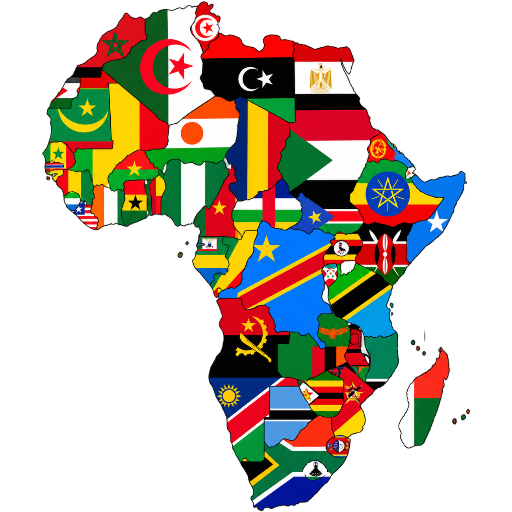




























The African Continental Free Trade Area promises to reshape the continent’s commercial future. But can Africa overcome its borders, infrastructure gaps and fragmented markets to become a truly connected economic powerhouse?
Africa is a continent of extraordinary resources, enormous consumer potential and a population connected by centuries of trade, migration, culture and enterprise.
It produces agricultural commodities, minerals, energy resources, manufactured goods, technology solutions, creative products and services with the potential to serve markets across the world.
Yet, despite this enormous economic potential, African countries have historically traded more extensively with external markets than with one another.
A business in Nigeria may find it easier to import certain products from Asia or Europe than to source them from another African country. A manufacturer in Ghana may face logistical and regulatory difficulties exporting to neighbouring markets. A farmer in Kenya may struggle to reach customers in West Africa despite the demand for agricultural products.
This is one of Africa’s great economic contradictions: a continent rich in commercial possibilities, yet still struggling to connect its markets efficiently.
The African Continental Free Trade Area (AfCFTA) represents an ambitious attempt to change that reality.
Its central promise is simple but transformative: make it easier for African countries to trade with one another, create a larger continental market and strengthen Africa’s position in the global economy.
But can Africa finally trade with itself?
THE AFRICAN TRADE PARADOX
For decades, many African economies have been structured around the export of raw materials and the import of finished products.
Oil, cocoa, gold, copper, crude minerals, agricultural produce and other commodities move from African countries to international markets. Finished goods, machinery, processed foods, vehicles, pharmaceuticals and manufactured products frequently travel in the opposite direction.
This pattern has contributed to economic dependence on external suppliers and limited the development of regional manufacturing networks.
It also means that countries with complementary resources and industries do not always benefit fully from one another’s productive capacity.
Consider the possibilities.
A country with strong agricultural production could supply raw materials to a neighbouring country’s food-processing industry. A country with established pharmaceutical manufacturing could supply regional markets. A country with developed textile capacity could source cotton from another African economy. A country with strong engineering capabilities could provide machinery and technical services across the region.
These relationships can create jobs, stimulate investment and reduce unnecessary dependence on distant supply chains.
The challenge is that economic opportunities do not automatically translate into trade.
They require transport connections, compatible regulations, efficient border procedures, reliable payments, commercial information and the political commitment to remove barriers.
WHAT IS THE AfCFTA?
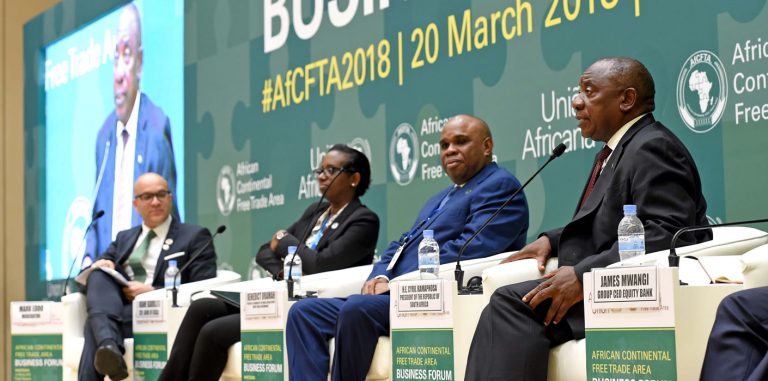
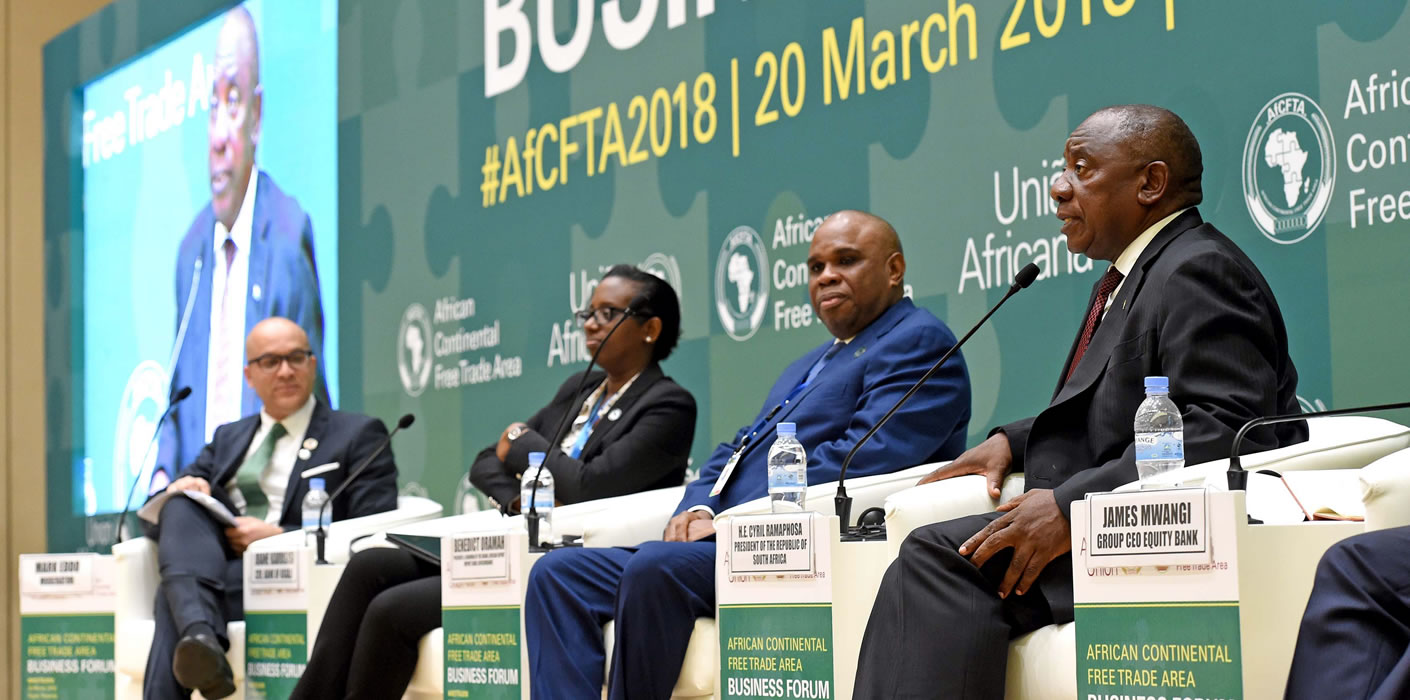
The African Continental Free Trade Area is one of the African Union’s most significant economic integration initiatives.
The agreement was adopted in 2018, and trading under its framework officially commenced on 1 January 2021.
Its ambition is to establish a single continental market for goods and services, supported by progressive reductions in trade barriers, cooperation on trade-related rules and deeper economic integration.
The agreement brings together African Union member states that have signed and ratified the framework, with implementation taking place through negotiated protocols, schedules and national arrangements.
Its objectives extend beyond simply reducing tariffs.
They include:
- Expanding trade among African countries.
- Encouraging regional value chains and industrial development.
- Improving the movement of goods and services.
- Supporting investment and business expansion.
- Strengthening the competitiveness of African enterprises.
- Creating opportunities for small and medium-sized businesses.
- Increasing Africa’s collective influence in international trade negotiations.
At its heart, AfCFTA recognises that Africa’s economic future may depend partly on its ability to function as a connected market rather than a collection of isolated national economies.
However, the agreement does not automatically eliminate every tariff, border restriction or regulatory requirement. Implementation depends on the commitments countries have made, the rules that have been negotiated and the systems established to put those commitments into practice.
WHY A SINGLE AFRICAN MARKET MATTERS
A connected African market could change the scale at which businesses operate.
Many African countries have relatively small domestic consumer markets when considered individually. A company that operates only within one national market may face limitations in demand, investment and production scale.
Access to a wider continental market could change that equation.
A manufacturer in Nigeria, for example, could potentially expand its customer base across West and Central Africa. A technology company in Kenya could develop services for businesses in several African regions. A food-processing company in Ghana could explore new markets in neighbouring countries.
Larger markets can encourage businesses to invest in modern equipment, increase production, improve quality and develop more competitive products.
They can also make it easier for investors to support industries with regional rather than purely domestic growth potential.
For consumers, stronger regional trade could increase product availability, encourage competition and create opportunities for more affordable goods and services.
For workers, it could generate employment in manufacturing, logistics, agriculture, technology, distribution and professional services.
The real opportunity is not merely moving more goods across borders. It is building businesses that can grow because those borders become less restrictive.
FIVE REGIONAL MARKETS, ONE CONTINENTAL AMBITION
Africa’s regional economic communities provide important foundations for continental integration.
1. ECOWAS: WEST AFRICA’S COMMERCIAL CONNECTION
The Economic Community of West African States (ECOWAS) has long pursued regional economic integration among countries in West Africa.
Its trade and mobility frameworks have supported efforts to connect businesses, workers and markets across the region.
Nigeria, Ghana, Côte d’Ivoire, Senegal, Benin, Togo and other West African economies have complementary strengths in agriculture, manufacturing, energy, services and commerce.
The region offers opportunities for cross-border food distribution, industrial production, entertainment, financial services and logistics.
However, border delays, inconsistent enforcement of trade rules, infrastructure constraints and changes in regional political relationships can affect the ease of doing business.
The full value of West Africa’s commercial potential will depend on practical cooperation between governments and businesses.
2. EAST AFRICA: BUILDING CONNECTED SUPPLY CHAINS
East Africa has developed important regional trade and infrastructure initiatives through the East African Community (EAC).
Kenya, Tanzania, Uganda, Rwanda, Burundi, South Sudan, the Democratic Republic of the Congo and Somalia participate in the evolving regional integration framework.
The region offers opportunities in agricultural processing, logistics, manufacturing, tourism, financial technology and professional services.
Transport corridors, ports, road networks and regional trade arrangements can help businesses reach customers across national boundaries.
The challenge is to ensure that infrastructure investments and trade policies translate into affordable and reliable commercial access for ordinary businesses.
3. SOUTHERN AFRICA: INDUSTRIAL AND LOGISTICS OPPORTUNITIES
Southern Africa has significant opportunities for industrial cooperation.
South Africa’s manufacturing, financial and logistics capabilities interact with the mineral, agricultural, energy and consumer markets of neighbouring countries.
The Southern African Development Community (SADC) provides a framework for regional cooperation in trade, infrastructure and development.
Countries such as Botswana, Namibia, Zambia, Zimbabwe, Mozambique and Angola offer different productive strengths and market opportunities.
Stronger regional supply chains could support mining services, food processing, renewable energy, automotive components and industrial manufacturing.
4. CENTRAL AFRICA: UNLOCKING A RESOURCE-RICH REGION
Central Africa possesses considerable natural resources and opportunities in agriculture, forestry, energy, mining and manufacturing.
The Economic Community of Central African States (ECCAS) provides a regional cooperation framework, while other regional arrangements also influence trade and economic integration.
Countries such as Cameroon, Gabon, the Republic of the Congo, the Democratic Republic of the Congo and Chad have resources and markets that could support deeper commercial relationships.
Yet, inadequate transport networks, financing constraints, regulatory complexity and security challenges continue to affect the development of regional trade.
Improving road, rail, river and port connections will be essential to unlocking the region’s economic potential.
5. NORTH AFRICA: CONNECTING AFRICA TO MEDITERRANEAN AND GLOBAL MARKETS
North African economies have important manufacturing, agricultural, energy, tourism and logistics capabilities.
Morocco, Egypt, Tunisia, Algeria and other countries in the region occupy strategic positions connecting African markets with Europe, the Middle East and other international trading partners.
Their industrial and infrastructure experience could contribute to stronger continental supply chains.
However, deeper economic cooperation between North Africa and other African regions requires sustained attention to transport links, trade procedures, commercial partnerships and regulatory compatibility.
These regional communities are not separate alternatives to AfCFTA. They are part of the wider institutional landscape through which continental integration can develop, although overlapping memberships and differing rules also create coordination challenges.
THE INFRASTRUCTURE QUESTION
No continental market can function effectively without infrastructure.
A product may be competitively manufactured in one country, but if transporting it to another country is expensive, slow or unpredictable, its commercial advantage can disappear.
Africa needs interconnected road networks, modern railways, efficient seaports, inland logistics centres, aviation links and reliable border facilities.
Transport corridors should connect agricultural production areas, industrial zones, commercial cities and major ports.
Railway development is particularly important for moving large volumes of goods over long distances. Roads remain essential for connecting farms, factories, warehouses and smaller communities to major transport networks.
Ports require efficient cargo handling, transparent procedures and effective links to inland transport systems.
Digital infrastructure is equally important.
Businesses need access to reliable internet, electronic customs systems, digital documentation, real-time shipment information and secure payment channels.
Infrastructure must therefore be understood as more than physical construction. It includes the technology, institutions and services that allow goods, information and payments to move efficiently.
THE BORDER: WHERE OPPORTUNITY CAN BECOME AN OBSTACLE
For many African businesses, the greatest difficulty in regional trade is not finding a customer. It is getting the product to that customer.
Long border queues, multiple checkpoints, excessive documentation, inconsistent customs procedures and informal charges can increase the cost of doing business.
Small traders may be particularly vulnerable because they often lack the financial resources and professional support available to larger companies.
A truck carrying goods across several countries may encounter different customs requirements, product standards, inspection procedures and administrative systems.
These obstacles can discourage businesses from exploring regional markets.
AfCFTA’s success will depend heavily on how effectively countries simplify trade procedures and implement agreed commitments.
Modern customs systems, transparent fees, harmonised documentation, coordinated border management and accessible information can make a significant difference.
A border should protect legitimate national interests without becoming an unnecessary barrier to productive economic activity.
THE PAYMENT CHALLENGE
Trade requires money to move as efficiently as goods.
African businesses trading across borders may encounter multiple currencies, high transaction costs, foreign-exchange constraints, delayed settlements and limited access to international payment channels.
For small businesses, these difficulties can make regional trade expensive and unpredictable.
The Pan-African Payment and Settlement System (PAPSS), developed under the AfCFTA framework with the African Export-Import Bank and other partners, is designed to support cross-border payments in local African currencies.
Its wider adoption could help reduce reliance on certain external currency routes for eligible transactions and improve the efficiency of regional settlement.
However, the benefits depend on participation by financial institutions, regulatory cooperation, currency arrangements, liquidity and practical access for businesses.
A continental market needs more than roads and trade agreements. It also needs financial systems that allow businesses to pay and receive money with confidence.
THE ROLE OF AFRICAN BUSINESSES
Governments can negotiate trade agreements, construct infrastructure and develop policies, but businesses are the ones that must turn these arrangements into commercial activity.
African entrepreneurs should begin to think beyond their national borders.
A food-processing company should explore regional suppliers and customers. A fashion business should consider distribution partnerships in neighbouring markets. A technology company should assess how its products can serve customers across multiple countries.
Manufacturers should identify opportunities to participate in regional supply chains rather than depend entirely on imported inputs.
Professional service providers can also benefit from regional opportunities in accounting, engineering, consulting, marketing, education, healthcare and technology.
However, businesses must prepare properly before entering new markets.
They need to understand local consumer preferences, product standards, import requirements, taxes, payment arrangements, distribution networks and competition.
Regional expansion is not simply about finding new customers. It is about developing the capacity to serve them reliably.
SMALL BUSINESSES MUST NOT BE LEFT BEHIND
One of AfCFTA’s most important tests will be whether small and medium-sized enterprises can benefit from continental integration.
Large corporations often have the resources to employ customs specialists, legal advisers, logistics companies and international business consultants.
Smaller businesses may not.
A small manufacturer, farmer, trader or creative entrepreneur can have a competitive product but lack the information, financing and networks required to export.
To make continental trade inclusive, businesses need practical support.
This includes:
- Accessible information about regional markets and trade requirements.
- Export-readiness training and advisory services.
- Affordable trade finance and working capital.
- Reliable transport and logistics services.
- Digital platforms for finding buyers and suppliers.
- Simplified customs processes for eligible small traders.
- Product certification and quality-assurance support.
- Business networks that connect entrepreneurs across countries.
Women-owned businesses, youth-led enterprises and informal cross-border traders should receive particular attention.
The objective should be to make regional trade a realistic opportunity for businesses of different sizes, not an exclusive privilege for major corporations.
WHAT AFRICA CAN TRADE WITH AFRICA
The possibilities extend across nearly every sector of the economy.
Agriculture and food processing: African countries can exchange grains, fruits, vegetables, livestock products, processed foods, beverages and agricultural inputs. Stronger regional value chains can reduce post-harvest losses and improve food security.
Manufacturing: Textiles, clothing, pharmaceuticals, building materials, machinery, automotive components, household products and industrial inputs can support regional production networks.
Energy: Cross-border electricity trade, renewable energy technology, gas infrastructure and energy services can support industrial development and improve energy access.
Technology and digital services: Software development, financial technology, cybersecurity, digital marketing, telecommunications and business-process services can serve clients across national boundaries.
Tourism and hospitality: Regional travel packages, cultural tourism, business events and hospitality partnerships can encourage movement between African destinations.
Creative industries: Music, film, publishing, fashion, animation and cultural products can reach larger audiences through regional distribution and collaboration.
Professional services: Engineering, architecture, legal services, education, healthcare, consulting and other professional sectors can benefit from deeper regional cooperation, subject to applicable national regulations.
The central opportunity is to build value chains in which African countries do not merely exchange raw materials but participate in producing, processing, distributing and commercialising finished goods and services.
THE CHALLENGES THAT MUST BE CONFRONTED
The promise of one African market is significant, but the road towards it is not without obstacles.
1. Uneven implementation
Countries are at different stages of ratifying, negotiating and implementing trade commitments. A continental agreement requires consistent action at national level.
2. Non-tariff barriers
Even where tariffs are reduced, licensing requirements, quotas, border procedures, product standards and other restrictions may continue to affect trade.
3. Infrastructure deficits
Poor transport connections, inadequate electricity, limited warehousing and expensive logistics can undermine the competitiveness of African products.
4. Regulatory differences
Different rules, certification systems, tax arrangements and administrative procedures can make cross-border operations complicated.
5. Political and security concerns
Political instability, conflict, border tensions and insecurity can disrupt trade corridors and discourage investment.
6. Limited industrial capacity
Countries that export mainly raw materials may struggle to benefit fully from regional trade without stronger manufacturing and processing capabilities.
7. Unequal economic capacity
More industrialised economies may be better positioned to exploit new market opportunities, potentially creating concerns about unequal benefits.
These challenges require practical solutions, transparent implementation and policies that support balanced development.
CAN AFRICA COMPETE WITH THE WORLD?
A stronger African market could improve the continent’s ability to compete internationally.
Businesses with access to larger markets can achieve greater production scale, develop stronger supply chains and invest more confidently in technology and innovation.
African countries can also negotiate from a stronger position when they cooperate on shared economic interests.
But integration should not be viewed as a strategy for turning away from the rest of the world.
Africa needs productive relationships with Europe, Asia, the Americas, the Middle East and other international markets.
The objective is to engage globally from a stronger economic position.
A continent that trades more effectively with itself can become a more attractive destination for investment, a more reliable supplier of goods and services, and a more influential participant in international commerce.
THE AFRICAN MARKET MUST BECOME A BUSINESS REALITY
For ordinary Africans, continental integration will matter only when its benefits become visible.
It should become easier for a farmer to sell produce across a neighbouring border, for a manufacturer to source inputs regionally, for a young entrepreneur to reach customers in another country and for a small business to receive payment for an international African transaction.
It should create jobs, expand production, reduce unnecessary costs and improve access to goods and services.
The success of AfCFTA will not be measured only by the number of countries that sign agreements or attend trade summits.
It will be measured by the businesses that expand, the factories that grow, the farmers who reach new customers, the workers who find employment and the consumers who benefit from a more competitive market.
Africa already possesses the people, resources, ideas and entrepreneurial energy required to build a stronger continental economy.
What it needs is the infrastructure, cooperation, confidence and institutional commitment to connect them.
One continent. One market. Many opportunities.
The ambition is clear. The work must now match it.
VOAM TRADE AFRICA | THE TAKEAWAY
AfCFTA offers Africa an opportunity to move from fragmented national markets towards a more connected continental economy.
Its success depends on more than trade agreements. It requires functioning infrastructure, efficient borders, accessible finance, reliable payment systems, regulatory cooperation, stronger industries and businesses prepared to compete across national boundaries.
The future of African trade will be determined by how effectively the continent connects its producers, manufacturers, entrepreneurs, investors and consumers.
VOAM QUESTION
If African countries removed the major barriers to trade among themselves, which industry do you believe could transform the continent’s economy first—and why?