


















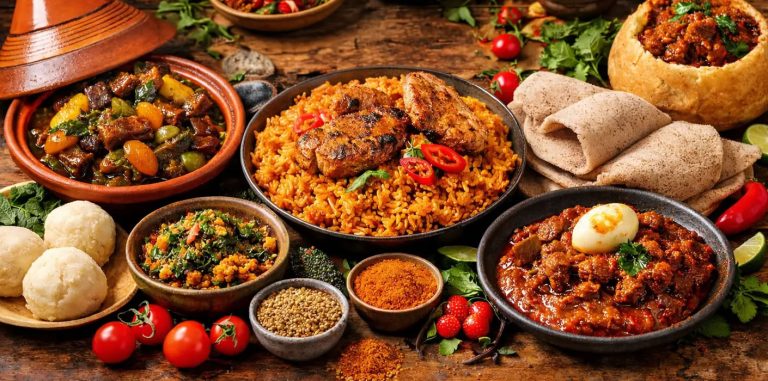







Every meal begins long before it reaches the plate. Behind a bowl of rice, a serving of grilled fish, a loaf of bread or a colourful plate of vegetables is a network of people whose labour, knowledge and enterprise sustain communities and economies.
Across Africa, these people are farmers, pastoralists, fishers, processors, transporters, market traders, retailers, food scientists, chefs and entrepreneurs. Some work on family-owned farms; others operate commercial agricultural estates, fishing businesses, food-processing factories or neighbourhood markets. Their activities may differ, but they are connected by one essential responsibility: feeding a continent.
Yet the future of African food cannot be secured by producing more alone. It requires building stronger food systems that connect production to processing, storage, transportation, distribution, nutrition and consumption. It also requires ensuring that the people who do the hardest work receive a fair share of the value they create.
The question is no longer simply whether Africa can feed itself. It is whether the continent can build resilient, productive and inclusive food systems capable of meeting the needs of its growing populations while creating prosperity for the people who make food possible.
The People Behind Every Meal
Agriculture is often discussed in terms of crops, harvests and production figures. But its real story is human.
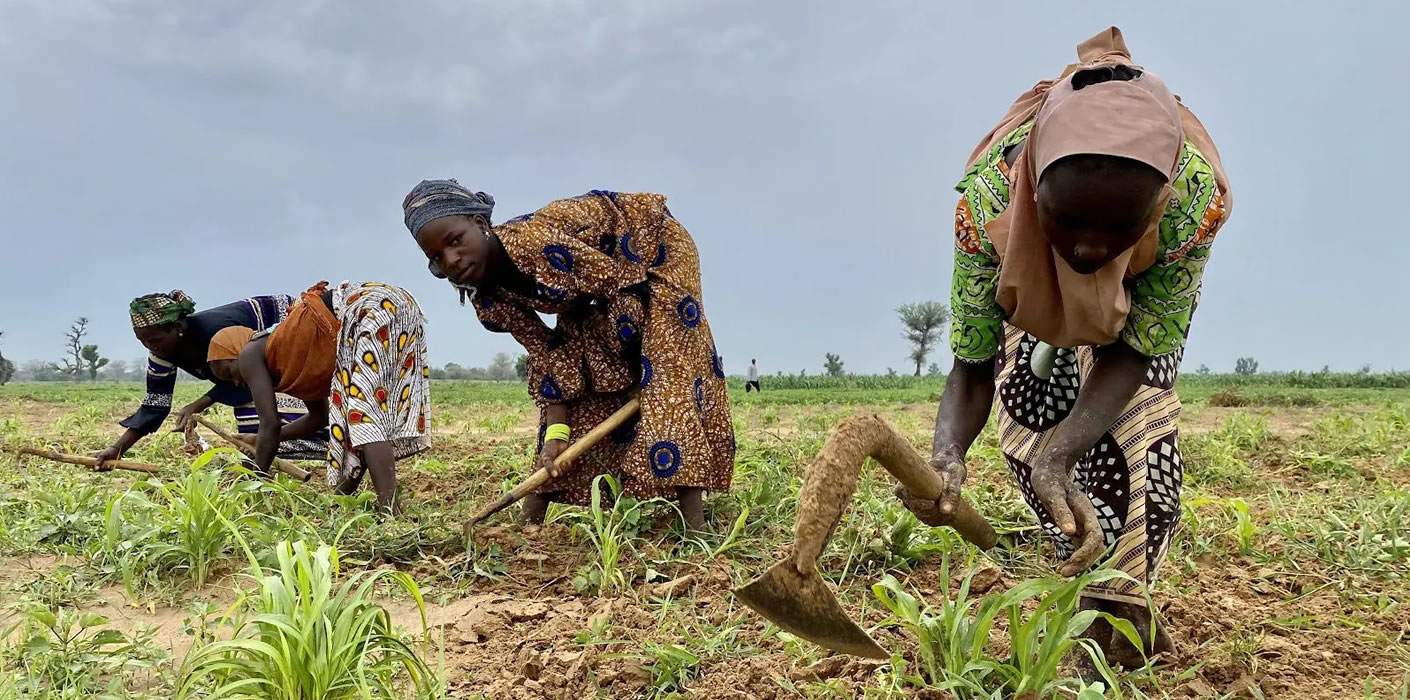
In rural communities, smallholder farmers cultivate rice, maize, cassava, millet, sorghum, vegetables, cocoa, coffee, fruits and other crops. Pastoralists manage livestock and contribute to the supply of meat, milk and other animal products. Fishing communities harvest from rivers, lakes, coastal waters and aquaculture facilities.
Beyond the farm and fishing grounds, another workforce keeps the food economy moving.
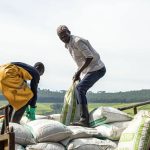
Processors turn raw agricultural products into flour, oils, packaged foods, dairy products and preserved ingredients. Aggregators gather produce from different farmers and connect them to larger markets. Transporters move food between rural production centres, processing facilities, wholesale markets and urban communities.
Market women and men play a particularly important role in many African economies. They connect producers with households, restaurants and retailers, often working in demanding conditions and managing considerable commercial risks.
Chefs, caterers, bakers and food entrepreneurs complete another part of the chain, transforming agricultural products into meals and consumer experiences.
These activities deserve recognition as parts of one interconnected food economy. The farmer may grow the tomato, but the transporter, trader, processor and retailer help determine whether that tomato reaches a consumer in good condition and at a price the market can support.
The Farm Is the Beginning, Not the Whole Story
For many African economies, agricultural development has historically concentrated on increasing production. This remains important, but production without effective value-chain infrastructure can leave farmers with limited earnings and consumers with expensive food.
Consider a farmer who harvests a large quantity of tomatoes. Without suitable storage, reliable transportation or nearby processing facilities, much of the produce may deteriorate before reaching the market.
The same challenge affects fruits, vegetables, fish, dairy products and other perishable commodities.
A stronger food system must therefore connect every stage:
Production: Access to quality seeds, healthy livestock, suitable land, water, machinery and agricultural knowledge.
Aggregation: Organising produce from multiple farmers into commercially viable quantities.
Storage: Providing warehouses, silos, refrigerated facilities and appropriate preservation systems.
Processing: Converting raw products into higher-value food products with longer shelf lives.
Transportation: Moving food efficiently through reliable roads, logistics networks and distribution channels.
Marketing and retail: Connecting producers and processors to wholesalers, supermarkets, restaurants, institutions and household consumers.
Consumption: Ensuring that affordable, safe and nutritious food reaches people.
When these stages function effectively, agriculture becomes more than an activity of subsistence. It becomes a platform for industrial growth, employment, entrepreneurship and trade.
Smallholder Farmers: The Foundation of Food Production
Smallholder farmers remain central to agricultural livelihoods across much of Africa. Many operate family farms, depend on seasonal rainfall and rely on traditional knowledge accumulated over generations.
Their contribution extends beyond the quantity of food they produce. They sustain rural economies, preserve indigenous crop varieties, maintain local food cultures and provide livelihoods for millions of households.
However, many face structural barriers that prevent them from expanding their businesses.
Limited access to affordable credit makes it difficult to purchase inputs, equipment and improved storage facilities. Uncertain land tenure can discourage long-term investment. Inadequate extension services leave some farmers without the technical support needed to improve yields or respond to changing environmental conditions.
Market access is another major concern. Farmers who lack reliable information about prices, demand and potential buyers may be forced to sell quickly, sometimes at unfavourable rates.
The solution should not be to replace smallholder farming with large-scale commercial agriculture. Rather, African food systems need models that allow different agricultural businesses to coexist and contribute.
Farmer cooperatives, producer associations, contract-farming arrangements and organised outgrower schemes can help smaller producers access finance, inputs, technology and markets. Such arrangements must be transparent, commercially fair and protective of farmers’ interests.
Small farms can become more productive and profitable when they are supported by the right institutions and infrastructure.
Women: The Power Behind the Food Economy
Women are deeply involved in Africa’s agricultural and food systems, from cultivation and harvesting to processing, distribution, trading and food preparation.
In many communities, women manage significant portions of food production and household food security. They also operate market stalls, food-processing businesses, catering enterprises and small agricultural ventures.
Despite this contribution, women frequently encounter unequal access to land, finance, machinery, training and formal business opportunities.
A woman who produces food but cannot access secure land rights may struggle to obtain agricultural financing. A market trader who operates without suitable storage or business facilities may lose valuable stock. A food entrepreneur may have a viable product but lack the equipment, certification or working capital needed to enter larger retail markets.
Closing these gaps is not simply a matter of social inclusion. It is an economic necessity.
Agricultural programmes should make women’s participation central to their design. This includes improving access to land, finance, modern equipment, training, cooperative structures, processing technology and business networks.
The future of African food will be stronger when women move beyond being recognised only as contributors to informal activity and are fully supported as agricultural investors, business owners, processors, exporters and industry leaders.
The Next Generation of African Farmers
Agriculture must become an attractive economic opportunity for younger Africans.
For too many young people, farming is associated with physical hardship, limited income and a lack of modern facilities. This perception can discourage participation, even where agricultural markets offer considerable opportunities.
But the future of agriculture is not limited to traditional fieldwork.
Young people can build businesses in agricultural technology, irrigation systems, food processing, farm logistics, digital marketplaces, agricultural finance, livestock management, aquaculture, food packaging and supply-chain management.
A technology graduate can develop a platform that connects farmers with buyers. An engineer can design affordable irrigation equipment. A business graduate can establish a distribution company. A food scientist can develop nutritious products from locally available crops.
This is where agriculture intersects with entrepreneurship, science, technology and manufacturing.
Governments, universities, agricultural institutions and private investors must help create pathways through vocational training, agribusiness incubation, practical research, access to land and affordable finance.
The objective should be to make agriculture a modern, commercially attractive profession rather than an economic activity young people feel compelled to abandon.
Technology Is Changing the African Farm
Technology is increasingly influencing how food is produced, monitored, financed and distributed.
Digital platforms can help farmers obtain weather information, access agricultural advice, locate buyers and receive market updates. Mobile financial services can make payments and some forms of agricultural financing more accessible.
Satellite imagery, drones and remote sensing can support crop monitoring and land assessment. Soil testing and precision agriculture can help farmers apply water and fertiliser more efficiently.
Mechanisation is also important. Tractors, planters, harvesters, threshers and processing equipment can reduce labour demands and improve productivity when properly maintained and made accessible.
However, agricultural technology must be designed around the realities of African farmers.
A sophisticated machine that is too expensive to purchase, difficult to repair or unsuitable for local farm conditions will have limited impact. Digital systems must account for connectivity challenges, language differences, digital literacy and affordability.
Technology should solve practical problems. It should not become another barrier between farmers and the resources they need.
Water, Climate and the Future of Production
Climate change is placing increasing pressure on agricultural systems across Africa.
Changing rainfall patterns, prolonged dry periods, flooding, soil degradation, heat stress and extreme weather events can affect crop yields, livestock health and fishing activities.
Communities that depend heavily on rain-fed agriculture are particularly exposed to seasonal uncertainty.
Building resilience requires investment in water management, climate-smart farming and environmental protection.
Irrigation can help reduce dependence on unpredictable rainfall, particularly when supported by efficient water-use systems. Rainwater harvesting, improved drainage, watershed protection and responsible groundwater management can strengthen local agricultural capacity.
Soil health must also receive greater attention. Crop rotation, composting, agroforestry, appropriate fertiliser use and erosion control can help maintain productive land.
The preservation of indigenous seeds and locally adapted crop varieties can contribute to resilience, although seed choices must reflect the needs and conditions of each farming community.
Livestock systems also require attention through improved animal health services, responsible grazing management, access to water and appropriate feed systems.
Climate resilience cannot be achieved through a single intervention. It requires coordinated action involving farmers, researchers, governments, private businesses and local communities.
The Missing Link: Storage, Processing and Infrastructure
One of Africa’s most important agricultural opportunities lies beyond the farm gate.
Food can be produced in abundance in one location while consumers elsewhere struggle with high prices because the systems connecting production to demand are inefficient.
Poor rural roads, limited electricity, inadequate warehouses, insufficient cold-chain facilities and weak distribution networks can increase costs and reduce the quality of food.
Post-harvest losses are particularly damaging to farmers and food businesses. Produce that deteriorates before sale represents lost income, wasted resources and reduced food availability.
Storage infrastructure can help farmers avoid selling immediately after harvest when prices may be unfavourable. Cold rooms can preserve fish, meat, dairy products and fresh produce. Processing facilities can turn surplus crops into flour, juice, starch, oils, dried foods and other products with longer shelf lives.
Reliable electricity is essential to many of these operations. Solar-powered cold storage, efficient processing equipment and renewable-energy solutions may offer practical options in locations where grid supply is unreliable, depending on cost and technical suitability.
Infrastructure investment must therefore be viewed as an agricultural priority, not merely a transport or energy issue.
Processing: Turning Harvests into Industry
Africa’s agricultural future will depend significantly on its ability to process more of what it produces.
Raw agricultural commodities often generate limited value when compared with finished or semi-processed products. Processing creates opportunities for manufacturing, packaging, branding, distribution and export.
Cassava can become flour, starch and industrial ingredients. Cocoa can be processed into butter, powder and chocolate products. Fruits can be transformed into juices, concentrates and dried products. Grains can supply flour, cereals and packaged foods.
These industries can create employment beyond the farm, including opportunities for engineers, technicians, food scientists, designers, marketers and logistics professionals.
Nigeria’s cassava and rice value chains, Ghana and Côte d’Ivoire’s cocoa industries, Kenya’s horticultural sector, Ethiopia’s coffee economy, Morocco’s agricultural processing industries and South Africa’s diversified food-manufacturing sector illustrate different dimensions of the continent’s agricultural potential.
These examples do not represent identical models or levels of development. Each operates within its own policy, infrastructure, market and production conditions.
The broader lesson is that agricultural development should connect farming with manufacturing. Africa must build the capacity not only to grow food but also to transform it into competitive products.
Food Safety, Nutrition and Consumer Confidence
A successful food system must deliver more than quantity. It must deliver safe and nutritious food.
Food safety begins at the point of production. Contaminated water, inappropriate pesticide application, poor animal health practices and inadequate handling can create risks that continue through processing and distribution.
Markets, restaurants, food factories and retailers all have responsibilities in maintaining hygiene, safe storage temperatures, appropriate packaging and traceability.
Standards and regulatory institutions are therefore essential. They help protect consumers, improve product quality and create confidence in local and international markets.
Nutrition must also remain central to agricultural planning.
Increasing food production does not automatically guarantee balanced diets. Communities need access to diverse foods, including fruits, vegetables, legumes, grains, animal-source foods and other locally appropriate sources of nutrients.
Food systems should encourage the production and distribution of nutritious products while recognising cultural preferences, affordability and the nutritional needs of different populations.
The ultimate measure of success is not simply how much food is harvested, but whether people can access food that is safe, affordable and capable of supporting healthy lives.
Intra-African Trade: Connecting Producers to a Larger Market
Africa’s agricultural future is closely linked to the ability of its countries to trade with one another.
Different regions have different production strengths, seasonal patterns and food requirements. Better trade connections can help move food from surplus-producing areas to markets experiencing shortages, while creating opportunities for farmers and processors to reach larger customer bases.
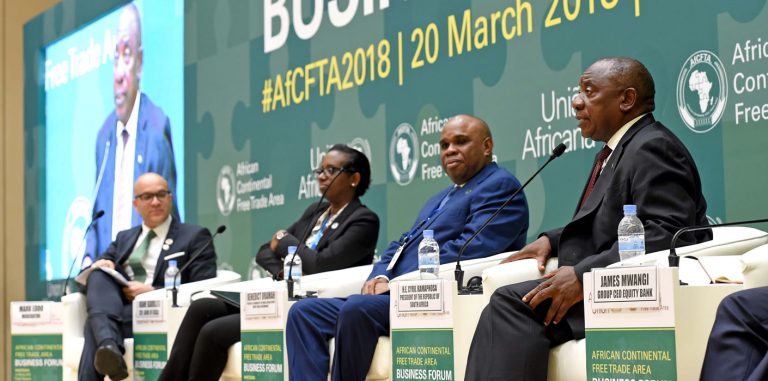
The African Continental Free Trade Area provides a framework for expanding continental trade, including agricultural and processed food products. However, the benefits depend on implementation.
Customs procedures, border delays, inconsistent standards, transport costs, payment difficulties and non-tariff barriers can still limit cross-border commerce.
Stronger regional logistics, harmonised food standards, efficient border systems and reliable trade information can help reduce these obstacles.
African producers should also be supported to meet the quality, packaging, certification and traceability requirements of regional and international markets.
Trade should not be understood only as exporting agricultural products outside the continent. It must also mean building stronger commercial relationships between African producers, processors, distributors and consumers.
The Business of Feeding Africa
Food is one of the most persistent markets in any economy because demand is continuous. This creates opportunities across the entire value chain.
Investors can participate in seed production, fertiliser distribution, mechanisation services, irrigation, livestock management, aquaculture, agricultural finance, cold-chain logistics, food processing and retail distribution.
Small businesses can establish community-level storage facilities, produce aggregation centres, food packaging operations, bakeries, fish-processing units and distribution services.
Large enterprises can develop industrial processing plants, integrated farming operations, modern warehouses and nationwide supply networks.
Financial institutions can create products suited to agricultural cycles rather than relying exclusively on conventional lending models. Insurance providers can develop solutions that help manage weather-related and production risks.
However, food-sector investment must be responsible. It should respect land rights, protect the environment, maintain food safety and create fair relationships with producers and workers.
Commercial success should not come at the expense of the communities and natural resources on which the food economy depends.
What Must Change?
Africa’s food systems require more than isolated agricultural projects. They need long-term coordination across policy, finance, research, infrastructure and private enterprise.
Governments must provide consistent agricultural policies, invest in rural infrastructure, strengthen research and extension services, and improve access to finance and reliable inputs.
Financial institutions must understand the realities of agricultural production and develop products that reflect seasonal cash flows and different levels of business maturity.
Universities and research centres must strengthen practical collaboration with farmers, processors and industry. Their innovations should respond to real production challenges and be affordable enough to reach the people who need them.
Private companies must invest in storage, processing, logistics and market development while establishing fair relationships with suppliers.
Farmers and producer organisations must also be supported to improve record-keeping, quality control, cooperative management and commercial negotiation.
Above all, agricultural workers must be treated as economic partners whose knowledge and labour deserve respect and fair compensation.
Feeding the Future Is a Shared Responsibility
The future of African food will not be determined by farmers alone.
It will be shaped by the quality of roads connecting farms to cities, the availability of electricity for processing, the reliability of financial services, the effectiveness of public institutions, the creativity of food entrepreneurs and the willingness of consumers to support quality local products.
It will also depend on whether African countries can build agricultural systems that respond to climate pressures, changing diets, population growth and expanding commercial opportunities.
From the family farm to the industrial food plant, from the fishing harbour to the supermarket shelf, every participant has a role in the future of the continent’s food economy.
The people feeding Africa deserve more than appreciation during harvest celebrations. They deserve infrastructure, investment, technology, market access and policies that allow their work to generate lasting prosperity.
Africa’s food future must be built around the people who produce it, the businesses that transform it and the communities that depend on it.
Because the journey from farm to table is not simply about moving food. It is about building an economy, sustaining livelihoods and securing the future.

VOAM TASTE AFRICA | THE TAKEAWAY
Africa’s food security and agricultural prosperity depend on building stronger connections across the entire food value chain. Supporting farmers is essential, but so are storage, processing, transport, finance, technology, food safety and access to markets.
The future belongs to food systems that reward producers fairly, empower women and young entrepreneurs, protect natural resources and turn agricultural potential into sustainable economic opportunity.
VOAM QUESTION
If Africa produces the food that sustains its people, what must change to ensure that the people who grow, process and distribute that food also share in its prosperity?