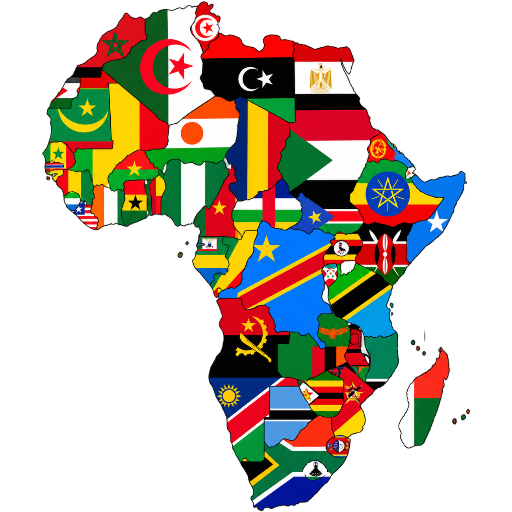


























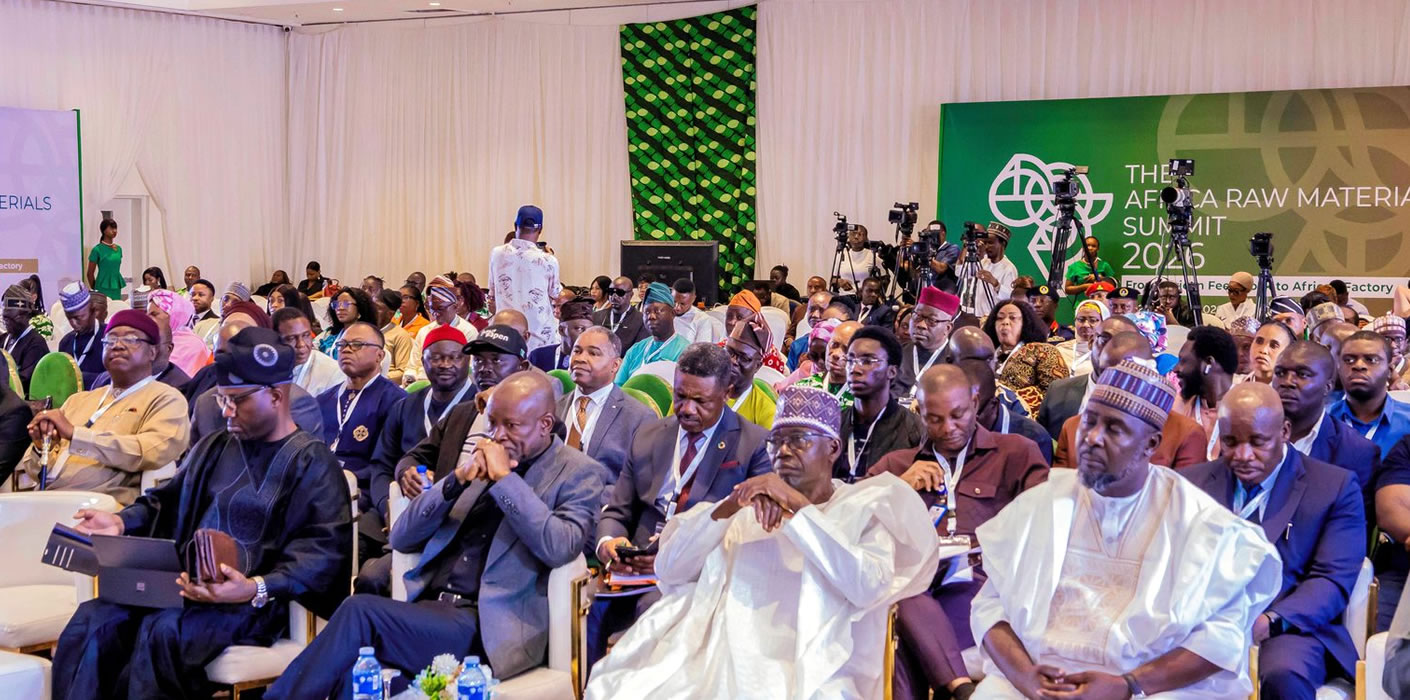

Africa is rich in resources. Its soil produces cocoa, coffee, cotton, fruits and grains. Its forests provide timber and other valuable materials. Its land contains gold, lithium, copper, cobalt, iron ore and other minerals. Its creative communities produce music, fashion, art, film and designs that influence audiences around the world.
Yet a fundamental question continues to shape the continent’s economic future:
Why should Africa export so much of what it produces as raw materials and import so much of it back as finished products?
The question goes beyond economics. It concerns jobs, industrial development, technological capacity, business ownership and the continent’s ability to determine the value of its own resources.
For decades, many African economies have depended heavily on exporting unprocessed commodities. Cocoa leaves producing communities to be processed elsewhere. Cotton is exported while finished garments are imported. Minerals are extracted and shipped abroad before returning to African markets in the form of industrial products, machinery, electronics and consumer goods.
This pattern is not universal, and African countries have developed important manufacturing and processing industries. Nevertheless, the gap between resource production and value addition remains a major economic challenge.
The next chapter of Africa’s development must focus on changing that relationship.
It must be a transition from exporting what the continent has to exporting what the continent can make.
THE VALUE ADDITION QUESTION
Consider the journey of a cocoa bean.
A farmer cultivates cocoa, harvests the pods, extracts the beans and prepares them for sale. The beans may then be exported to another country, where they are processed into cocoa butter, cocoa powder, chocolate and other consumer products.
Each stage adds value.
The farmer receives income from agricultural production, but additional commercial value is created through processing, packaging, branding, distribution and retail.
If more of these activities take place within African economies, a greater share of the value chain can remain on the continent.
The same principle applies to cotton, coffee, cashew nuts, shea butter, palm oil, minerals, timber and other resources.
Value addition means transforming raw materials into products that command greater economic value through processing, manufacturing, technology, design, packaging and branding.
It also involves developing the skills, infrastructure and business systems required to move from primary production to more sophisticated economic activities.
The objective is not to stop exporting raw materials altogether. Raw commodity exports will remain important to many economies. The objective is to expand the range of products Africa can process, manufacture and commercialise competitively.
WHY RAW MATERIAL EXPORTS ARE NOT ENOUGH
Natural resources can generate substantial export earnings, government revenue and employment. However, excessive dependence on raw commodity exports can expose economies to international price fluctuations and limit the development of domestic industries.
When a country relies heavily on exporting unprocessed resources, several opportunities may be lost.
Employment opportunities: Processing and manufacturing can create additional jobs for technicians, engineers, machine operators, quality-control specialists, packaging workers, logistics professionals and other skilled personnel.
Industrial development: Local processing encourages the establishment of factories, industrial parks, equipment suppliers and supporting businesses.
Technology transfer: Manufacturing creates demand for technical knowledge, research, automation, engineering and innovation.
Export diversification: Finished and semi-finished products can help countries reduce dependence on a narrow range of commodities.
Business ownership: Local entrepreneurs can participate in more stages of production rather than remaining limited to supplying raw materials.
Economic resilience: A more diversified economy may be better positioned to withstand fluctuations in international commodity prices.
The real opportunity lies in building an economy in which natural resources become the starting point for industrial development rather than the end of the commercial journey.
AFRICA’S INDUSTRIAL OPPORTUNITY: SECTOR BY SECTOR
1. AGRICULTURE: FROM FARM PRODUCE TO FOOD INDUSTRY
Agriculture remains one of Africa’s most important economic activities.
Across the continent, farmers produce cocoa, coffee, tea, cotton, rice, maize, cassava, tomatoes, fruits, vegetables, groundnuts, cashew nuts and many other commodities.
But agricultural production alone cannot unlock the full value of the sector.
The continent needs stronger food-processing industries that can convert farm produce into packaged foods, beverages, cooking ingredients, animal feed, industrial inputs and export-ready products.
Consider cassava. It can be processed into flour, starch, ethanol and other industrial products.
Tomatoes can become paste, sauces and packaged ingredients. Fruits can be processed into juices, concentrates and dried products. Cashew nuts can be processed, packaged and branded for local and international markets.
These activities create opportunities for farmers, processors, packaging companies, transport operators, equipment manufacturers and retailers.
They can also reduce post-harvest losses by ensuring that more produce is processed before it spoils.
The agricultural revolution Africa needs is therefore not only about producing more food. It is also about developing the industries that transform agricultural production into commercial value.
2. TEXTILES AND FASHION: FROM COTTON TO CLOTHING
Africa has a long history of textile production, weaving, dyeing, embroidery and garment making.
Traditional fabrics such as Kente, Aso Oke, Adire and other indigenous textiles demonstrate the continent’s rich design traditions.
Modern textile manufacturing offers an opportunity to connect these traditions with industrial production.
Cotton can be transformed into yarn, fabric and finished garments. Local designers and manufacturers can create clothing, uniforms, footwear, accessories and household textiles for domestic and international markets.
Countries such as Egypt, Morocco, Tunisia, South Africa, Ethiopia and others have participated in different parts of Africa’s textile and garment manufacturing landscape.
The opportunity is to strengthen the entire value chain.
This requires reliable cotton production, modern spinning and weaving facilities, dyeing and finishing technology, skilled labour, efficient logistics and access to buyers.
It also requires a balance between industrial competitiveness and environmental responsibility.
The ambition should be to ensure that African fashion is not only designed on the continent or inspired by African culture, but increasingly manufactured, branded and distributed through African-owned businesses.
3. MINERALS: FROM EXTRACTION TO INDUSTRIAL CAPACITY
Africa possesses important mineral resources, including cobalt, copper, lithium, manganese, graphite, bauxite, iron ore, gold and platinum-group metals.
Many of these minerals are essential to modern industrial development.
Copper is used in electrical systems and infrastructure. Lithium, graphite, cobalt and other materials are important to parts of the battery supply chain. Iron ore supports steel production. Bauxite is an important source of aluminium.
The opportunity is to develop more processing and manufacturing capacity within African economies.
Instead of exporting only mineral concentrates or unprocessed materials, countries can explore economically viable opportunities in refining, component manufacturing, industrial chemicals, metal processing and downstream production.
However, this transition is technically demanding.
It requires significant capital, reliable energy, skilled engineers, environmental safeguards, transparent licensing and access to international technology and markets.
Mineral processing must also respect local communities and ensure that mining activity does not leave behind environmental damage, unsafe working conditions or communities that receive little benefit from the resources extracted from their land.
Africa’s mineral wealth should support sustainable industrialisation, not simply accelerate extraction.
4. ENERGY: FROM NATURAL RESOURCES TO INDUSTRIAL POWER
Industrialisation requires energy.
Factories need reliable electricity to operate machinery, maintain production schedules, preserve products and meet quality standards.
Africa’s energy resources include natural gas, hydropower, solar, wind, geothermal and other renewable sources.
The opportunity extends beyond generating electricity.
African countries can develop businesses involved in solar-panel assembly, battery systems, electrical equipment, transformers, cables, power-management technology and energy services.
Local manufacturing of selected energy components can support electrification, industrial development and renewable energy deployment.
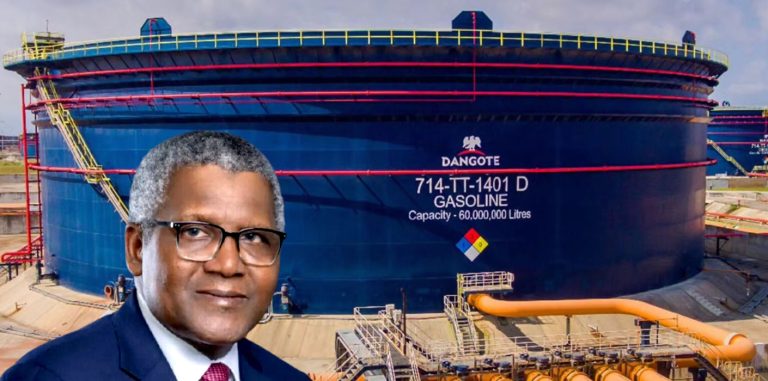
Nigeria’s Dangote Refinery also illustrates the ambition to develop large-scale domestic petroleum refining capacity, although its performance, actual production, feedstock arrangements and market impact must be assessed using current evidence.
The wider lesson is that energy resources can support industries beyond the extraction and export of fuel.
A continent seeking to manufacture more must also build the energy systems that make competitive production possible.
5. PHARMACEUTICALS: FROM IMPORT DEPENDENCE TO HEALTHCARE MANUFACTURING
Healthcare manufacturing is another important area for value addition.
Many African countries depend significantly on imported medicines, active pharmaceutical ingredients, medical equipment and healthcare supplies.
This creates opportunities for local pharmaceutical manufacturing, medical consumables production, diagnostic equipment assembly, packaging and distribution.
Countries such as South Africa, Egypt, Morocco, Kenya, Nigeria and others have established pharmaceutical and healthcare manufacturing capabilities, although capacity and product ranges differ considerably.
Expanding these industries requires investment in research, quality assurance, regulatory compliance, skilled personnel, manufacturing facilities and reliable supply chains.
Pharmaceutical manufacturing must meet rigorous safety and quality standards. Producing medicines locally is not simply a matter of establishing factories; it requires strong regulatory institutions and consistent product testing.
A stronger African healthcare manufacturing sector could improve supply resilience, create skilled employment and support access to essential products.
6. AUTOMOTIVE AND ENGINEERING: FROM IMPORTING TO BUILDING
The automotive industry offers opportunities across manufacturing, assembly, component production, engineering, maintenance and technology development.
African countries already have different levels of automotive production and assembly capacity.
South Africa and Morocco have established automotive manufacturing industries connected to international supply chains. Egypt, Nigeria, Ghana and other countries have also pursued automotive assembly and industrial development initiatives.
The opportunity is to deepen local participation.
This includes producing selected vehicle components, tyres, batteries, seats, electrical systems, body parts and other industrial inputs.
It also requires developing engineering skills, supplier networks, testing facilities and quality-control systems.
As the global automotive industry moves towards electric vehicles, African manufacturers have an opportunity to participate in emerging supply chains, although this will require investment in technology, charging infrastructure, battery expertise and competitive production systems.
The ambition should be to move from simply importing vehicles or assembling imported kits towards building stronger local industrial capabilities.
AFRICAN EXAMPLES: THE INDUSTRIAL STORY IS ALREADY BEING WRITTEN
The transition towards value addition is not merely a theoretical ambition. Different African countries have pursued industrial development through distinct strategies.
<escape>**</escape>Morocco: Automotive and industrial manufacturing
Morocco has developed a significant automotive manufacturing ecosystem, attracting international manufacturers and suppliers. Its industrial zones, export infrastructure and integration into international production networks demonstrate how strategic investment can support manufacturing development.
<escape>**</escape>Egypt: Textiles, chemicals and manufacturing
Egypt has a long industrial history and an established manufacturing base across textiles, food processing, chemicals, pharmaceuticals and other sectors. Its industrial development illustrates the importance of combining domestic production capabilities with regional and international markets.
<escape>**</escape>South Africa: Advanced industrial capacity
South Africa has developed capabilities in automotive production, mining equipment, chemicals, food processing, engineering and other manufacturing activities. Its experience demonstrates the importance of industrial skills, supplier networks and infrastructure.
<escape>**</escape>Kenya: Agro-processing and manufacturing
Kenya has developed manufacturing and agro-processing activities across food, beverages, textiles, pharmaceuticals and consumer products. Its regional commercial position also offers opportunities for businesses serving East African markets.
<escape>**</escape>Nigeria: Refining, food processing and local manufacturing
Nigeria’s industrial landscape includes food and beverage manufacturing, cement, consumer goods, pharmaceuticals, textiles, engineering and petroleum-related industries. The Dangote industrial complex and Innoson Vehicle Manufacturing represent different ambitions within the country’s manufacturing landscape.
These examples should not be interpreted as evidence that industrial transformation has been completed. Each country continues to face challenges involving energy, productivity, financing, technology, infrastructure and market access.
But they demonstrate that Africa’s industrial future can take different forms, depending on national resources, investment priorities and regional opportunities.
THE AFRICAN ENTREPRENEUR: BUILDING THE BRANDS
Industrial development cannot be left entirely to governments or multinational corporations.
African entrepreneurs must play a central role in developing the businesses that transform raw materials into competitive products.
A young entrepreneur who establishes a fruit-processing company can create markets for farmers, employ production workers and develop a brand that reaches supermarkets and export markets.
A textile entrepreneur can connect cotton producers with designers, manufacturers and retailers.
A technology entrepreneur can develop machinery, software or supply-chain solutions that improve industrial productivity.
A pharmaceutical entrepreneur can invest in local production that meets recognised quality standards.
These businesses require more than good ideas.
They need market research, working capital, equipment, technical expertise, business management, quality control, reliable suppliers and access to distribution channels.
Entrepreneurs must also understand the commercial realities of manufacturing. Production costs, energy expenses, maintenance, inventory management, packaging, taxation and logistics all influence profitability.
The most successful African industrial brands will be those that combine creativity with operational discipline and a clear understanding of their customers.
WHY MADE IN AFRICA MUST MEAN QUALITY
The phrase “Made in Africa” should represent more than the geographical origin of a product.
It should communicate quality, reliability, innovation, safety, design and value.
African consumers should be able to trust products manufactured on the continent. International buyers should recognise African brands as credible suppliers capable of meeting agreed standards.
This requires investment in:
- Modern production equipment.
- Skilled technical personnel.
- Quality assurance and product testing.
- Internationally recognised certification where applicable.
- Reliable packaging and product presentation.
- Consistent supply and delivery.
- Customer service and after-sales support.
- Research, product development and innovation.
A product that is locally manufactured but inconsistent in quality will struggle to compete.
Local preference alone cannot sustain an industry indefinitely. African manufacturers must earn consumer confidence through performance.
The strongest Made in Africa brands will be those that can compete on quality, price, design, reliability and customer experience.
THE ROLE OF GOVERNMENT AND INDUSTRIAL POLICY
Governments have a major responsibility in creating the conditions for industrial development.
They can support manufacturers through infrastructure investment, stable economic policies, access to industrial land, skills development, research funding and transparent regulatory systems.
They can also use public procurement responsibly to support qualified local manufacturers while maintaining quality, competition and value for money.
Import policies and incentives must be designed carefully.
Protecting local industries from competition without encouraging productivity can create inefficient businesses that depend permanently on government support.
The objective should be to help industries become competitive, not comfortable.
Governments must also address the practical constraints that make manufacturing expensive, including unreliable electricity, high transport costs, foreign-exchange pressures, port delays and inconsistent regulatory enforcement.
Industrial policy should be measured by the businesses it helps to build, the jobs it creates, the productivity it improves and the competitiveness it delivers.
FINANCING THE MADE IN AFRICA AMBITION
Manufacturing is capital-intensive.
A farmer may be able to begin agricultural production with relatively modest resources, but establishing a processing plant requires machinery, buildings, electricity, storage, packaging systems, working capital and technical personnel.
Many African entrepreneurs struggle to secure the long-term financing required for industrial projects.
Commercial banks may consider manufacturing risky because of high capital requirements, long investment periods and uncertain market conditions.
This creates a need for a broader financing ecosystem.
Development finance institutions, commercial banks, private equity investors, pension funds, impact investors and government-backed industrial funds can all contribute.
Financing should support different stages of industrial development, from early-stage processing businesses to established manufacturers seeking to expand production.
It should also encourage partnerships between local entrepreneurs and international investors that bring technology, technical expertise and access to markets.
However, investment must be commercially disciplined.
Factories must be built around realistic demand, competitive costs, capable management and sustainable business models.
A factory without a market is not industrialisation. It is an expensive building.
THE AfCFTA: A BIGGER MARKET FOR AFRICAN PRODUCTS
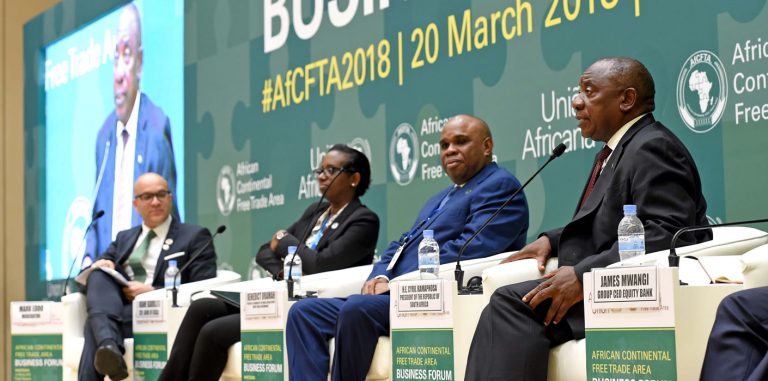
The African Continental Free Trade Area offers an important opportunity for Made in Africa products.
By creating a framework for reducing trade barriers and improving market access among participating countries, AfCFTA can support manufacturers seeking to serve customers beyond their national markets.
A textile producer in one country may source cotton from another and sell finished garments across several African markets.
A food-processing company may purchase agricultural inputs regionally and distribute packaged products across neighbouring economies.
A pharmaceutical manufacturer may explore regional distribution, subject to applicable product registration and regulatory requirements.
However, businesses must understand the agreement’s actual implementation.
Tariff preferences depend on applicable tariff schedules, rules of origin, product classification and national procedures. Not every product automatically qualifies for preferential treatment.
For industrial businesses, the larger opportunity is the possibility of building regional value chains.
Africa does not need every country to manufacture everything. Countries can develop complementary strengths and participate in shared production networks.
One country may supply raw materials, another may provide processing capacity, and another may specialise in packaging, distribution or technology.
The result could be a more integrated industrial economy.
THE ENVIRONMENTAL RESPONSIBILITY OF INDUSTRIALISATION
Industrial growth must not come at the expense of Africa’s environment and communities.
Manufacturing requires energy, water, land and raw materials. Poorly managed industrial activity can create pollution, unsafe working conditions, deforestation, water contamination and long-term environmental damage.
Africa has an opportunity to pursue industrialisation with stronger environmental standards.
This includes cleaner production technology, responsible mining, renewable energy, water efficiency, recycling, waste management and sustainable agricultural practices.
Circular manufacturing can also create new business opportunities by converting waste into useful materials and reducing dependence on virgin resources.
Industrial development must include fair labour practices, community engagement, worker safety and transparent environmental monitoring.
The objective is not simply to manufacture more. It is to manufacture responsibly and create long-term value for society.
THE ROAD AHEAD: FROM COMMODITY EXPORTER TO GLOBAL BRAND BUILDER
Africa’s industrial future will not be achieved through a single factory, one government programme or a handful of successful entrepreneurs.
It will require a sustained transformation of the continent’s economic structure.
Farmers must be connected to processors. Manufacturers must be connected to suppliers and buyers. Universities must work with industries. Financial institutions must understand production businesses. Governments must provide reliable infrastructure and consistent policies.
African brands must invest in research, design, marketing, quality and distribution.
The continent must also develop the confidence to create products for its own consumers while pursuing opportunities in international markets.
A Made in Africa product should not be judged by where it comes from alone. It should be recognised for what it delivers.
Imagine a future in which African cocoa becomes internationally recognised chocolate brands; African cotton becomes globally competitive textiles; African minerals support advanced manufacturing; African agricultural produce becomes packaged food products sold worldwide; and African engineering companies build equipment for industries across the continent.
This future is possible, but it requires deliberate investment and execution.
Africa must move beyond being known primarily for what lies beneath its soil and what grows upon it.
It must become known for what its people can design, process, manufacture, innovate and build.
The future of Made in Africa is not simply about producing more. It is about owning more of the value.

VOAM TRADE AFRICA | THE TAKEAWAY
Africa’s resource wealth provides a foundation for industrialisation, but long-term economic transformation requires value addition.
The continent must strengthen agriculture, manufacturing, mineral processing, textiles, pharmaceuticals, energy technology and engineering while developing the skills, infrastructure, finance and markets needed to support competitive industries.
The goal is to build African businesses that transform local resources into quality products, strong brands, sustainable employment and export opportunities.
Made in Africa must become a statement of quality, ownership, innovation and global competitiveness.
VOAM QUESTION
Which African raw material should the continent prioritise for large-scale local processing and manufacturing, and what practical steps would make that transformation possible?