




















A journey that turns the railway into a moving celebration of romance, leisure and discovery—and raises a bigger question about how Nigeria can transform its transport infrastructure into memorable tourism experiences.
When the Journey Becomes the Destination
Valentine’s Day is traditionally associated with flowers, gifts, candlelit dinners and romantic getaways. But what happens when the experience begins before a couple arrives at the restaurant, hotel or destination?
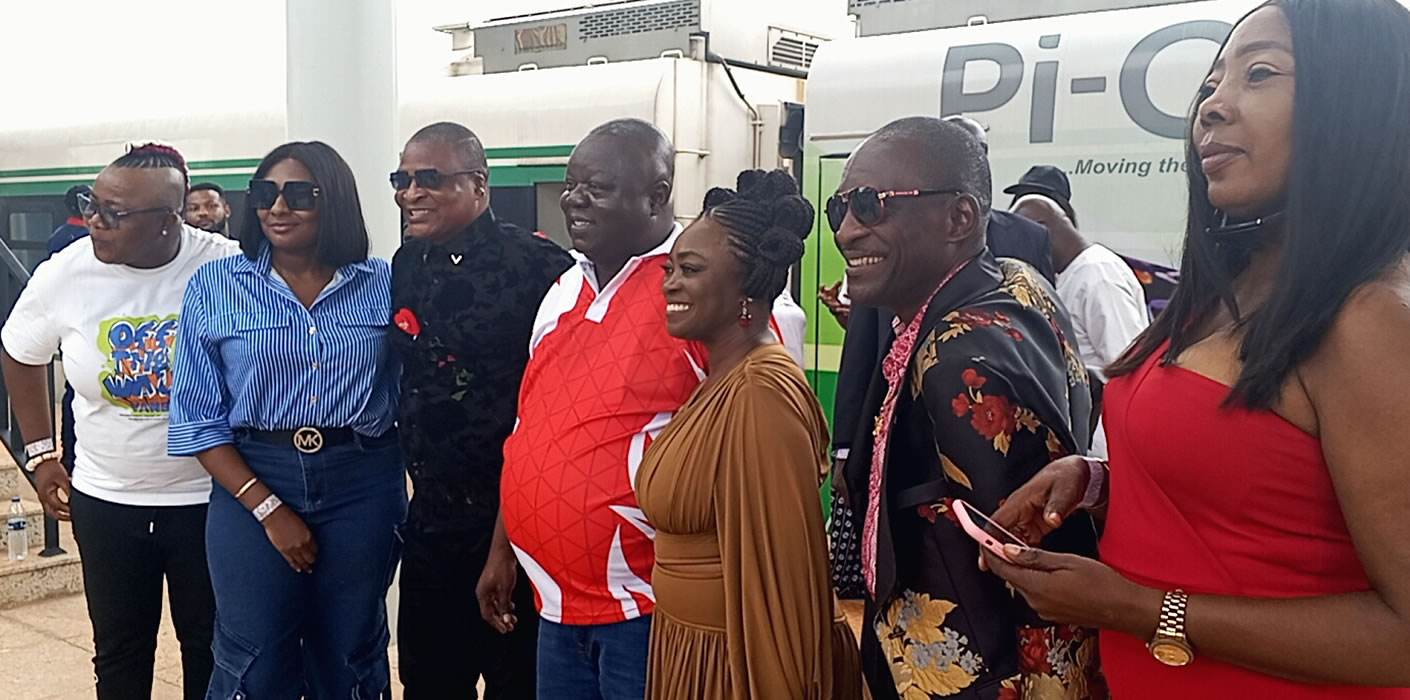
Imagine boarding a train with a loved one, settling into comfortable seats as the city gives way to open landscapes, sharing a meal, listening to music and watching the scenery unfold beyond the window. The journey itself becomes part of the celebration.
This is the appeal of the Valentine train experience: a concept that combines rail travel with romance, hospitality, entertainment and leisure.
Rather than treating transportation as a necessary step between two places, the experience turns the train into a destination in its own right. It offers couples, friends and even families an alternative way to celebrate, while opening a conversation about the untapped possibilities of rail-based tourism in Nigeria.
The idea is simple, but its implications are significant. If a railway journey can become a special occasion, what other experiences can Nigeria build around its transport infrastructure?
A Different Kind of Valentine’s Celebration
The appeal of a Valentine train outing lies in its atmosphere.
Unlike a conventional dinner date, a train journey offers movement, changing scenery and a shared experience that unfolds over time. It gives passengers an opportunity to disconnect from everyday routines and enjoy an occasion without the usual pressure of organising multiple activities across different locations.
A well-designed experience might begin with a welcoming reception at the station, followed by boarding and a brief introduction to the journey. Onboard, passengers could enjoy refreshments, a carefully planned meal, light entertainment, photography opportunities and a programme designed around the occasion.
Depending on the train service and arrangements, the experience might include themed seating, live acoustic performances, couples’ activities or a coordinated excursion at the destination.
The defining feature is not extravagance. It is thoughtful planning.
For many participants, the attraction would be the opportunity to do something different: to celebrate a relationship through an experience rather than simply exchange gifts.
For others, it could be an opportunity to discover rail travel, enjoy a group outing or create a memorable occasion with friends.
The Romance of the Railway
Railways have long carried a special place in popular imagination. Their rhythmic movement, long-distance routes and views of changing landscapes have inspired stories, films and travel writing across the world.
A train journey offers a different pace from road travel. Passengers can settle into their seats, observe the passing environment and share time without being responsible for navigating traffic.
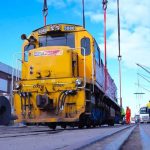
In Nigeria, passenger rail services have also become part of a wider conversation about mobility, connectivity and infrastructure development. Routes such as Lagos–Ibadan and Abuja–Kaduna have introduced or expanded modern passenger rail options on specific corridors, although their schedules, availability, fares and operating conditions must always be checked against current information.
The Valentine train concept builds on the experiential possibilities of rail travel. It suggests that, alongside the practical function of moving people between locations, railway services may support carefully designed leisure products.
That possibility should not be confused with an assumption that every passenger train can accommodate private events or onboard entertainment. Any themed service must be developed in partnership with the relevant railway operator, within its operational, safety and commercial requirements.
Turning Transport into Tourism
The wider opportunity extends beyond Valentine’s Day.
Rail-based leisure experiences can connect transportation with hospitality, cultural discovery, recreation and destination marketing. A train journey might be designed around a seasonal celebration, a food experience, a historical excursion, a music programme or a weekend getaway.
For Nigeria, this approach could create new partnerships between railway operators, tourism agencies, hotels, restaurants, event planners, local guides and creative businesses.
Consider the potential structure of a themed rail product:
The journey: A scheduled or specially approved train service provides the transportation.
The hospitality: Catering partners provide refreshments or meals suited to the duration and conditions of the trip.
The experience: Organisers develop appropriate entertainment, storytelling or activities that comply with railway rules.
The destination: Where the itinerary permits, visitors may connect with local attractions, cultural sites, restaurants or accommodation providers.
The return: Clear schedules and passenger information help ensure that the experience concludes reliably and safely.
This model could create opportunities for businesses that might not otherwise participate directly in rail transport. Local food producers, event professionals, photographers, tourism guides and hospitality operators could all contribute to a coordinated experience.
The commercial value would depend on demand, operational costs, passenger capacity, service reliability and the ability to deliver a consistent standard of quality.
The Hospitality Industry on the Move
A Valentine train experience also invites the hospitality industry to think differently about service.
Restaurants are accustomed to creating memorable occasions within a fixed location. Hotels build experiences around accommodation, dining, relaxation and recreation. Event planners coordinate the atmosphere, programme and logistics of special gatherings.
A train-based experience brings these disciplines together in a more constrained environment.
Space must be managed carefully. Food service has to account for movement, storage, hygiene and the available facilities. Entertainment must respect passenger comfort and railway safety. Decorations must be secure and suitable for the operating environment. Every activity must work within the train’s approved capacity and operating procedures.
This is where professional planning becomes essential.
A successful themed journey is not simply a train with decorations. It is a coordinated hospitality product in which transportation, service delivery, customer care and safety work together.
The strongest organisers would plan the passenger experience from booking to arrival, including clear communication about departure times, boarding requirements, accessibility, refreshments, cancellations and any limitations.
An Opportunity for Nigerian Tourism Brands
The concept could also help Nigerian tourism businesses develop experiences that appeal to different audiences.
For couples, the product could focus on intimacy, thoughtful hospitality and scenic travel. For groups of friends, it might centre on music, dining and shared recreation. For families, a suitable programme could introduce younger passengers to rail travel and destinations of cultural or historical interest.
Corporate organisations could explore approved group excursions, staff appreciation outings or client-hosting packages. Tourism promoters could use themed rail journeys to introduce visitors to attractions along accessible routes.
Such products should be designed around real passenger needs rather than assumed demand. Market research, pilot programmes, customer feedback and transparent pricing would help operators determine which formats are commercially viable.
There is also a marketing opportunity. With passengers’ consent, photographs, short videos and travel stories could help promote the experience through digital channels. However, publicity should accurately represent the actual service, and organisers should obtain the necessary permissions for filming, photography and use of railway facilities.
What It Takes to Make the Experience Work
The romantic appeal of a Valentine train outing must be supported by operational discipline.
Safety comes first. Railway operations must remain under the control of authorised operators. Passenger limits, emergency procedures, boarding arrangements and all railway safety requirements must be observed. Decorations, entertainment and catering must never obstruct railway operations or emergency access.
Reliability matters. Customers purchasing a special occasion expect accurate information and dependable arrangements. Timetables, meeting points, boarding instructions and return plans must be communicated clearly.
Service quality shapes the memory. Staff should be trained to manage passenger enquiries, hospitality needs, complaints and unexpected changes with professionalism.
Accessibility should be considered from the beginning. Organisers should provide accurate information about station access, boarding arrangements, seating and available assistance, without promising facilities that have not been confirmed.
Pricing must reflect value. Packages should make clear what the ticket includes, whether meals or drinks are provided, and which additional services require separate payment.
Environmental responsibility deserves attention. Rail travel can offer transport-efficiency advantages in suitable circumstances, but the environmental impact of a specific excursion depends on factors such as occupancy, energy source, route and additional transport requirements.
The experience succeeds when romance and recreation are built on a dependable operating framework.
Beyond February 14
Valentine’s Day provides a natural theme, but the broader concept need not be limited to one date.
A railway operator and its tourism partners could explore seasonal journeys, heritage-themed excursions, food-focused trips, family experiences and special-event packages, subject to operational approval and demonstrated demand.
A festive-season rail experience, for example, could connect passengers with a destination’s seasonal attractions. A cultural journey might feature approved interpretation of local history and landscapes. A culinary excursion could introduce regional food traditions through carefully planned catering and destination partnerships.
The possibilities would vary according to route, duration, infrastructure, station facilities and passenger demand.
The objective should not be to turn every train into an entertainment venue. It should be to identify occasions when a well-designed experience can add value to an existing or specially organised service.
The Bigger Picture: Experiences Build Destinations
Tourism is often discussed in terms of places: beaches, hotels, monuments, parks and historic towns. Yet destinations are also shaped by the experiences that connect these places to people’s lives.
A visitor may remember the meal shared on a journey as vividly as the destination itself. A couple may remember the train ride that marked an anniversary. A family may remember the excitement of travelling by rail together for the first time.
These experiences can influence how people perceive a destination, whether they recommend it to others and whether they return.
For Nigeria, the larger opportunity is to develop tourism products that make existing infrastructure more meaningful to the public, while protecting the core purpose and safety of that infrastructure.
Railways cannot solve every tourism challenge, and themed journeys cannot compensate for unreliable services or inadequate facilities. But where conditions permit, they can become one element of a broader strategy to connect transport, hospitality, recreation and cultural discovery.
Love, Travel and the Memories We Carry
The most successful journeys are not always the longest or the most expensive. Sometimes, they are the ones that allow people to pause, reconnect and experience a familiar world from a different perspective.
A Valentine train experience captures that possibility. It takes a practical mode of transport and reimagines it as a shared occasion, where the movement between places becomes part of the memory.
Its promise lies not only in romance, but in the creative thinking behind it: the recognition that Nigeria’s infrastructure, hospitality businesses and tourism destinations may offer new experiences when they are brought together thoughtfully.
For the couples who board, the memory may be personal. For the businesses involved, the opportunity may be commercial. For the wider tourism industry, the lesson is that meaningful experiences can emerge in unexpected places.
Sometimes, the journey really is the destination.
VOAM EXPERIENCE AFRICA | THE TAKEAWAY
Nigeria’s Valentine train concept illustrates how transportation can become part of a wider leisure experience when railway operations, hospitality and event planning are coordinated responsibly.
The opportunity extends beyond romance: themed rail journeys could support domestic tourism, create partnerships among local businesses and encourage more people to explore the country through memorable shared experiences.
VOAM QUESTION
If Nigeria developed more themed train journeys, what would you choose: a romantic getaway, a culinary adventure, a cultural heritage tour or a family excursion?