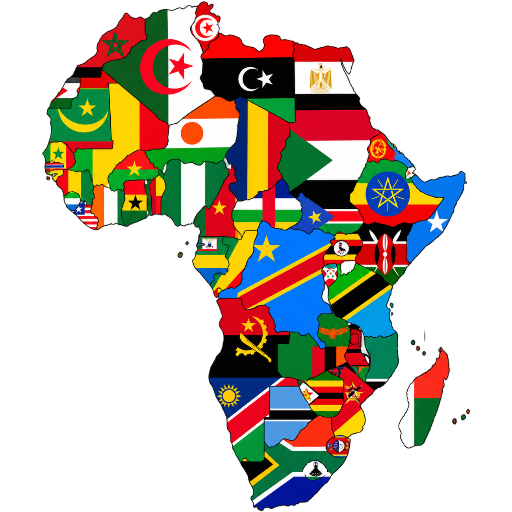






















How Africa’s music, film, fashion, art, design and cultural industries are turning creative expression into economic opportunity.
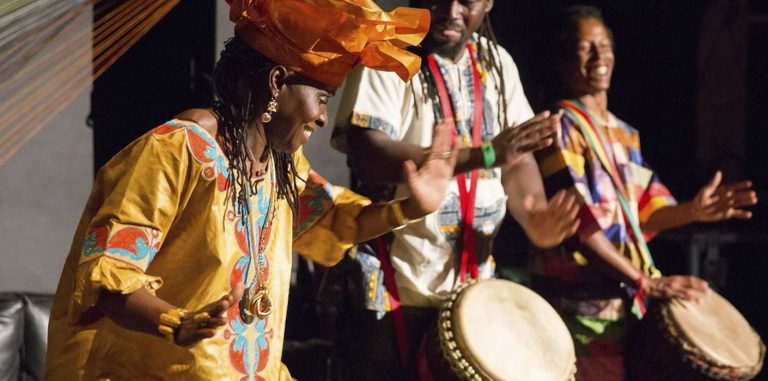
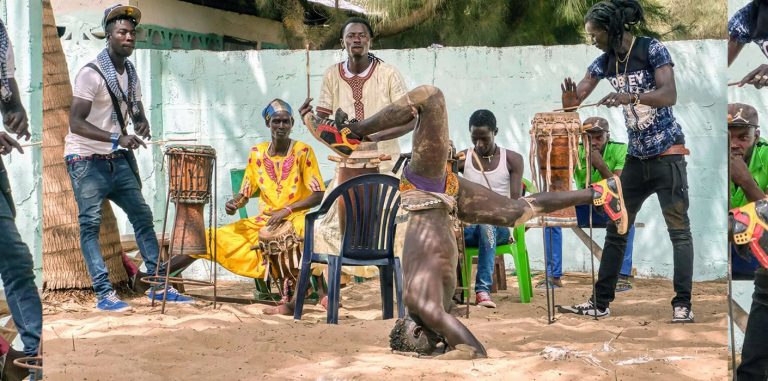
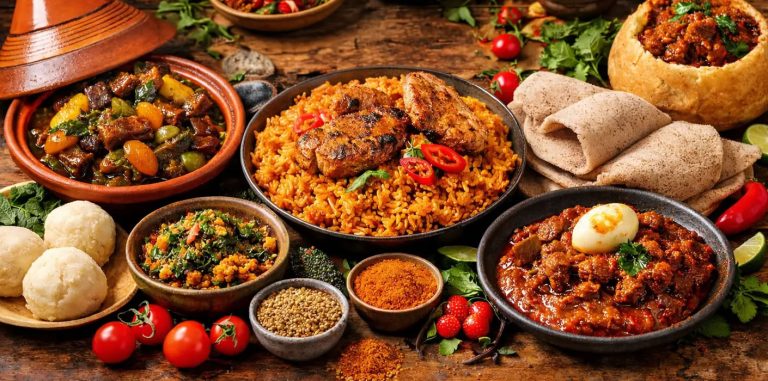
Africa has never lacked creativity. Across its communities, creativity lives in the rhythm of traditional drums, the patterns woven into fabrics, the stories passed down through generations, the architecture of its historic cities, the flavours of its cuisines and the artistic expressions that continue to evolve with each generation.
What is changing is the growing recognition that creativity is more than cultural expression. It is also an economic resource.
From music and film to fashion, photography, publishing, animation, gaming, architecture and digital content, Africa’s creative industries are creating new businesses, attracting audiences, generating employment and influencing how the continent is perceived around the world.
The question is no longer whether African culture has commercial value. The question is how Africa can build an economy that allows its creative talent to produce, own, commercialise and benefit sustainably from that value.
THE BUSINESS BEHIND THE CULTURE
For generations, African creative expression has influenced the world. Its music, art, textiles, dance, storytelling and craftsmanship have travelled across borders, often without the creators receiving recognition or meaningful economic returns.
Today, a new generation of African entrepreneurs, artists and cultural professionals is approaching creativity differently.
A musician is no longer only a performer. The musician may also be a recording entrepreneur, songwriter, producer, publisher, brand partner and owner of a catalogue of intellectual property.
A fashion designer is not simply making clothes. The designer may be building a label, employing artisans, sourcing local materials, developing export markets and creating a recognisable African brand.
A filmmaker is not merely telling a story. The filmmaker is working within an industry involving production companies, screenwriters, actors, editors, distributors, cinemas, streaming platforms and international licensing.
Behind every successful creative product is an ecosystem of people, skills, services and commercial relationships.
This is the foundation of the creative economy: the ability to transform ideas, cultural knowledge, artistic skills and intellectual property into economic value.
MUSIC: THE SOUND OF A GROWING INDUSTRY
African music has become one of the continent’s most visible creative exports.
Afrobeats, Amapiano, Ghanaian highlife, Congolese rumba, Senegalese Mbalax, Ethiopian musical traditions and numerous other sounds demonstrate the depth and diversity of African musical expression.
The international visibility of African music has opened opportunities for performers, producers, songwriters, sound engineers, event organisers, music distributors, promoters and entertainment entrepreneurs.
However, the commercial value of music extends far beyond the performance itself.
A song can generate revenue through streaming, broadcasting, live performances, synchronisation in films and advertisements, licensing, publishing, merchandise and brand partnerships.
The opportunity is to build businesses around these different revenue streams rather than depend entirely on popularity or a single hit record.
African music entrepreneurs must also pay attention to contracts, publishing rights, royalty collection, distribution agreements and ownership of master recordings.
Global recognition is important, but long-term industry strength depends on whether the people who create the music can retain and earn from the value they produce.
FILM AND TELEVISION: STORIES AS INDUSTRY
Africa’s film industry has demonstrated that local stories can attract large audiences and compete for international attention.
Nollywood in Nigeria, the Ghanaian film industry, South Africa’s production sector, Kenya’s growing screen industry, Egypt’s established cinematic tradition and filmmaking communities across the continent all contribute to a diverse African screen economy.
The industry is much larger than the actors appearing on screen.
It requires writers, directors, cinematographers, editors, production designers, costume specialists, sound engineers, location managers, casting professionals, distributors, marketers and technical crews.
Every production can create opportunities across multiple sectors, including hospitality, transportation, catering, equipment rental, construction, fashion and tourism.
The challenge is to move beyond producing content alone and build stronger production companies, distribution networks, financing structures and intellectual property portfolios.
African filmmakers need access to patient investment, professional training, modern equipment, reliable production infrastructure and fair distribution arrangements.
Most importantly, African stories must not lose their identity in the pursuit of international approval.
The strongest cultural exports are often those that communicate something distinctive about the societies from which they emerge.
FASHION AND DESIGN: WEARING AFRICAN VALUE
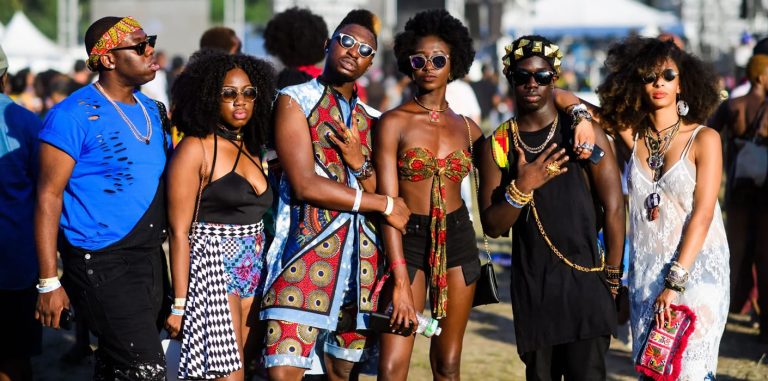
African fashion is an expression of identity, history, innovation and enterprise.
From traditional textiles and indigenous craftsmanship to contemporary streetwear, luxury fashion, accessories and sustainable design, African creatives are developing products that combine cultural inspiration with modern commercial ambition.
Designers across Nigeria, Ghana, Senegal, Côte d’Ivoire, South Africa, Kenya, Morocco and other countries are contributing to an evolving fashion landscape.
The opportunity stretches across the entire value chain.
It includes textile production, fabric processing, tailoring, garment manufacturing, jewellery, leatherwork, footwear, photography, modelling, fashion journalism, retail and international distribution.
Yet, the industry faces a familiar challenge: a strong creative identity does not automatically translate into a sustainable business.
Designers need access to quality materials, production facilities, skilled workers, working capital, reliable logistics and markets that can support consistent sales.
There is also a need to protect indigenous designs and craftsmanship from exploitation, while ensuring that the communities responsible for preserving traditional knowledge are recognised and fairly compensated.
African fashion must become more than a source of inspiration for global brands. It must also become a source of competitive African businesses.
DIGITAL CONTENT: THE NEW CREATIVE MARKETPLACE
The rise of digital platforms has created new opportunities for African storytellers, entertainers, educators, photographers, comedians, reviewers, influencers and independent media producers.
A creator with a smartphone, a compelling idea and access to the internet can reach audiences far beyond their immediate community.
Social media, video-sharing platforms, podcasts, digital publishing and streaming services have lowered some traditional barriers to entry.
They have also created new business opportunities through advertising, subscriptions, sponsorships, affiliate partnerships, merchandise, online courses and paid communities.
But visibility should not be confused with profitability.
A large following does not necessarily translate into a sustainable income. Platform algorithms can change, monetisation policies may differ across countries, and creators may have limited control over how their content is distributed or used.
The next phase of Africa’s digital creative economy must therefore prioritise ownership.
Creators should build independent websites, mailing lists, customer databases, intellectual property portfolios and direct relationships with their audiences.
Platforms can provide reach, but creators need assets and business models that can survive changes in platform policies.
ANIMATION, GAMING AND CREATIVE TECHNOLOGY
The future of Africa’s creative economy is not limited to traditional entertainment.
Animation, gaming, visual effects, digital illustration, immersive media, interactive storytelling and creative software are expanding the possibilities of cultural expression.
African developers and artists can create games inspired by local mythology, history, languages, landscapes and contemporary experiences.
Animation studios can produce educational content, children’s programming, advertising and entertainment for local and international markets.
Digital artists can work with clients across the world without relocating from their home countries.
These industries create opportunities for collaboration between artists, programmers, designers, writers, sound specialists and technology entrepreneurs.
However, they require specialised training, powerful equipment, reliable electricity, internet connectivity, access to software and opportunities to participate in international production networks.
Investment in creative technology education can help prepare African talent for industries that combine artistic ability with technical expertise.
Africa should not only consume the digital entertainment products of other regions. It should develop its own intellectual properties, studios, platforms and globally competitive creative technology businesses.
CULTURE AS A FOUNDATION FOR TOURISM
The creative economy also has a direct relationship with tourism.
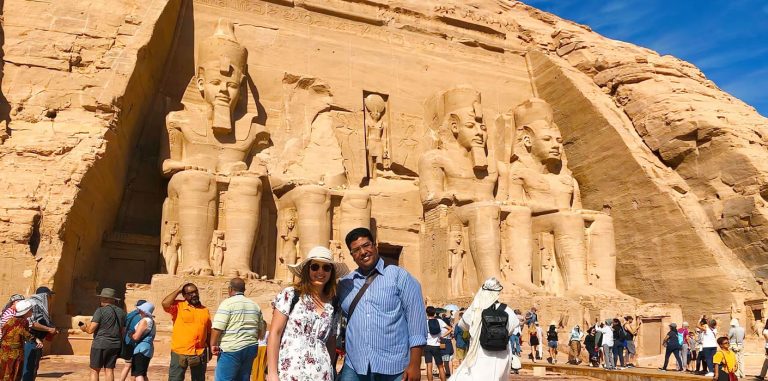
Festivals, concerts, cultural exhibitions, fashion events, film locations, museums, heritage sites, traditional performances and culinary experiences attract visitors and create economic activity.
A visitor attending a cultural festival may spend money on accommodation, transportation, restaurants, local products, guides, entertainment and shopping.
This means that cultural events can support more than the organisers and performers. They can create business opportunities for entire communities.
Countries and cities that recognise this connection can develop stronger partnerships between their tourism authorities, creative professionals, hospitality businesses, event organisers and cultural institutions.
However, commercialisation must be responsible.
Cultural traditions should not be reduced to performances designed solely for visitors. Communities must participate in decisions about how their heritage is presented, interpreted and commercialised.
The economic benefits should also reach local businesses, artisans, performers and custodians of cultural knowledge.
A successful cultural tourism economy is one in which visitors gain meaningful experiences and communities retain dignity, ownership and economic value.
THE CREATIVE ECONOMY IS ALSO AN EMPLOYMENT ECONOMY
One of the most important contributions of the creative sector is its capacity to generate employment across different skill levels.
A major music event, for example, may require performers, stage designers, lighting technicians, sound engineers, security personnel, caterers, transport operators, ticketing officers, photographers, marketers and production managers.
A film production can employ writers, actors, camera operators, editors, costume designers, makeup artists, drivers, electricians and administrative personnel.
A fashion business can support designers, tailors, textile producers, photographers, models, retailers and logistics providers.
These opportunities make the creative economy particularly relevant to young Africans seeking alternative career pathways.
But creative work must become more professional and sustainable.
Training institutions, apprenticeships, industry associations, business incubators and mentorship programmes can help young people develop the technical and commercial skills needed to turn talent into careers.
The sector also needs stronger labour protections, transparent contracts, fair payment practices and professional standards.
Creativity should not become an excuse for unpaid labour or exploitative working arrangements.
THE CHALLENGES HOLDING THE INDUSTRY BACK
Despite its potential, Africa’s creative economy faces significant structural obstacles.
1. Limited access to finance
Many creative businesses struggle to obtain funding because traditional lenders may not understand their business models or recognise intellectual property as an asset.
2. Weak infrastructure
Unreliable electricity, inadequate production facilities, limited studio capacity, expensive internet and inefficient transportation can increase the cost of creative production.
3. Intellectual property challenges
Copyright infringement, unauthorised distribution, weak licensing arrangements and poor contract management can prevent creators from earning the full value of their work.
4. Limited distribution networks
Talented creators may produce excellent work but lack access to cinemas, galleries, international retailers, streaming markets, publishers and commercial distribution partners.
5. Skills and professional development
Talent alone is not enough. The industry requires business managers, entertainment lawyers, accountants, agents, producers, marketers and technical specialists.
6. Fragmented markets
African creators often face different regulations, payment systems, languages, currencies and distribution requirements when attempting to operate across national borders.
7. Unequal value distribution
The people who create cultural products do not always receive a fair share of the revenue generated by distributors, intermediaries and commercial partners.
Addressing these challenges requires more than celebrating successful artists. It requires deliberate investment in the systems that make creative businesses viable.
BUILDING AN AFRICAN CREATIVE ECONOMY
Africa needs a creative economy that is commercially ambitious, culturally confident and institutionally supported.
This requires collaboration among governments, private investors, educational institutions, media organisations, technology companies, cultural bodies and creative professionals.
Governments can support the sector through clear intellectual property laws, accessible financing mechanisms, export promotion, appropriate tax policies and investment in cultural infrastructure.
Private investors can provide capital for production companies, fashion labels, studios, publishing houses, event businesses and technology-driven creative ventures.
Educational institutions can strengthen training in music production, filmmaking, design, animation, photography, digital marketing, arts management and creative entrepreneurship.
Industry associations can promote professional standards, collective bargaining, networking, mentorship and access to markets.
African businesses can also become stronger customers of African creativity by commissioning local designers, filmmakers, musicians, photographers, writers and content producers.
The continent does not have to wait for international markets to validate its creative talent before investing in it.
THE ROLE OF REGIONAL COLLABORATION
Africa’s creative economy will become stronger when its markets become more connected.
A Nigerian filmmaker should be able to collaborate with a Kenyan cinematographer, a Ghanaian composer, a South African post-production company and a Senegalese distribution partner without unnecessary barriers.
A fashion designer in Côte d’Ivoire should be able to reach customers in Rwanda, Morocco or Nigeria through efficient commercial channels.
A music producer in Uganda should be able to work with performers in Tanzania, Ethiopia or Ghana and access a wider regional audience.
The African Continental Free Trade Area (AfCFTA) provides an important framework for deeper continental trade integration. However, creative businesses will also need practical improvements in payment systems, mobility, copyright cooperation, digital commerce, logistics and cross-border distribution.
Regional collaboration should not mean abandoning local identity. It should allow different African identities to meet, exchange ideas and create products with wider commercial reach.
The objective is a connected creative marketplace in which cultural diversity becomes an advantage.
FROM CREATIVE TALENT TO CREATIVE OWNERSHIP
The future of the African creative economy will depend on whether creators can move from simply producing content to owning valuable creative assets.
A musician should understand the value of a music catalogue.
A filmmaker should understand distribution and licensing rights.
A fashion designer should protect a brand and develop a commercially sustainable product line.
A writer should understand publishing agreements and royalties.
A digital creator should build a business that does not depend entirely on the changing rules of a single platform.
This is where intellectual property becomes central to economic development.
Ideas, designs, compositions, recordings, films, photographs, software, publications and distinctive brands can become valuable business assets when properly protected and managed.
African creators must therefore be equipped not only with artistic skills but also with financial literacy, legal awareness, negotiation skills and entrepreneurial knowledge.
The goal is not to turn every artist into a corporate executive. It is to ensure that creative professionals understand the economic value of their work and have the support needed to benefit from it.
THE FUTURE: AN ECONOMY BUILT ON IMAGINATION
Africa’s creative economy is not a distant possibility. It is already taking shape in studios, workshops, production houses, fashion labels, digital platforms, publishing companies, cultural festivals and independent creative businesses across the continent.
Its future, however, will be determined by the quality of the structures built around it.
The continent must invest in talent, protect intellectual property, improve infrastructure, expand access to finance, strengthen professional training and develop markets that reward creativity.
It must also recognise that African creativity cannot be represented by a single sound, language, fashion style or cultural identity.
The continent’s strength lies in its diversity: the ability of thousands of communities to express themselves differently while contributing to a shared African cultural and economic landscape.
When creativity is supported by enterprise, culture becomes more than something to preserve or celebrate. It becomes a source of livelihoods, innovation, investment, trade and international influence.
Africa has stories worth telling, designs worth wearing, music worth hearing, films worth watching and ideas worth commercialising.
The next task is to build an economy in which the people who create these things can own their work, grow their businesses and participate fully in the value they generate.
That is when culture becomes business—and when the creative economy becomes a meaningful force in Africa’s development.
VOAM CREATIVE AFRICA | THE TAKEAWAY
Africa’s creative economy has the potential to become a major driver of employment, entrepreneurship, tourism, trade and global cultural influence.
But talent alone cannot build an industry. Sustainable growth requires investment, infrastructure, intellectual property protection, professional skills, fair compensation and access to markets.
The future belongs not only to African creators who can attract global attention, but also to those who can build enduring businesses around their creativity.
VOAM QUESTION
If African creativity is already influencing the world, what must governments, investors and the private sector do to ensure that African creators own and benefit from the economic value of their work?