
























Africa is changing, and the transformation is not happening only in its economies, political institutions or technology sectors. It is taking place in the everyday lives of its people—in the way they work, communicate, dress, travel, eat, raise families, build relationships, pursue opportunities and imagine the future.
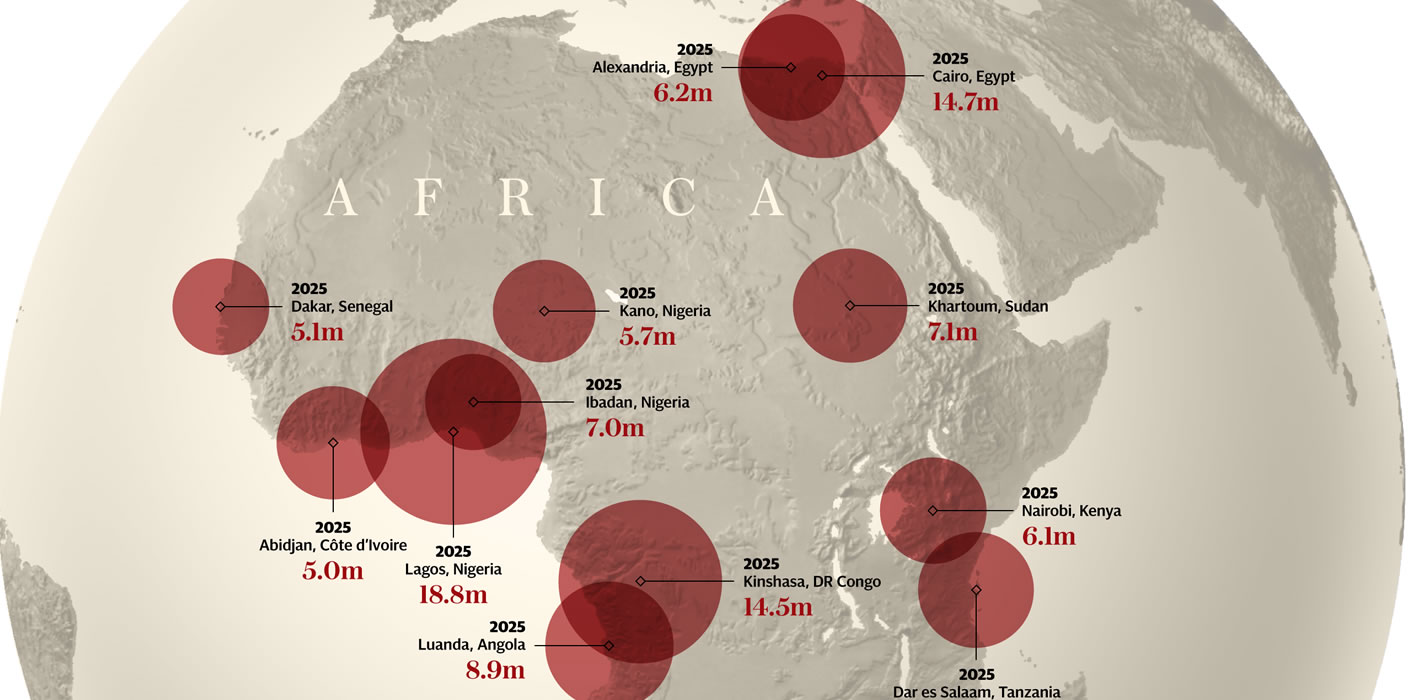
From the bustling streets of Lagos and Nairobi to the expanding neighbourhoods of Accra, Kigali, Johannesburg and Cairo, a new African lifestyle is taking shape. It is influenced by urbanisation, digital technology, education, global exposure, changing family structures, entrepreneurship, migration and a generation increasingly determined to define success on its own terms.
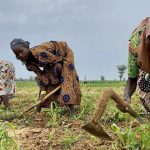
Yet this is not one story of change. Africa’s transformation is uneven, complex and deeply influenced by geography, culture, income, age, infrastructure and opportunity. The lifestyle of a young professional in Lagos may differ considerably from that of a farmer in rural Tanzania, a university student in Ghana, a business owner in Senegal or a family in a growing town in Zambia.
Together, however, these experiences reveal something significant: the African way of life is evolving, and Africans themselves are increasingly shaping the direction of that evolution.
THE CITY IS CHANGING THE WAY WE LIVE
Urbanisation is one of the most visible forces transforming African lifestyles.
Cities attract people seeking education, employment, business opportunities, healthcare, entertainment and improved living conditions. As populations grow and neighbourhoods expand, new demands emerge around housing, transport, food, energy, recreation and public services.
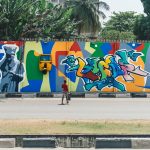
The modern African city is becoming a place of contrasts. Traditional markets exist alongside shopping centres. Informal businesses operate beside technology companies. Family compounds share neighbourhoods with apartment buildings, co-working spaces and hospitality developments.
In many cities, people are also redefining convenience. Food delivery, ride-hailing, online shopping, digital banking and mobile communication have changed how everyday transactions are conducted.
But urban living comes with pressures. Traffic congestion, rising housing costs, pollution, limited public spaces, insecurity and long working hours can affect quality of life.
The challenge is not simply to build larger cities. It is to build cities where people can live well.
A modern African city should provide accessible transport, reliable utilities, affordable housing, safe neighbourhoods, recreational facilities, healthcare services and opportunities for meaningful social interaction.
The quality of urban life will increasingly become an important measure of development.
A GENERATION WITH DIFFERENT EXPECTATIONS
Africa’s younger generations are influencing the continent’s social and economic direction.
They are entering a world in which information is more accessible, professional opportunities are increasingly global and traditional career pathways are being challenged by entrepreneurship, freelancing, digital services and creative industries.
For many young Africans, success is no longer defined exclusively by securing a permanent office job. It may mean building a business, working remotely, becoming a content creator, developing a professional skill, pursuing an international career or combining several sources of income.
This generation is also more exposed to conversations about personal development, financial independence, mental wellbeing, social responsibility and lifestyle choices.
Digital platforms have created new communities around fashion, music, travel, fitness, technology, food and entertainment. They allow young Africans to participate in global conversations while sharing local identities and experiences.
However, digital access does not automatically translate into equal opportunity. Internet affordability, digital literacy, education, employment and access to finance remain important dividing lines.
The future of the continent will depend partly on whether its young population can turn its energy, creativity and ambition into productive opportunities.
THE DIGITAL HOME AND THE CONNECTED FAMILY
Technology is changing the meaning of home, family and communication.
Mobile phones and messaging platforms have made it easier for families separated by distance to remain connected. Digital financial services allow people to transfer money, pay bills and manage transactions. Online learning platforms provide additional routes to education, while remote working has opened possibilities for professionals who previously depended on physical offices.
For families with members living abroad, digital communication helps maintain relationships and support networks across borders.
The home itself is also changing. More people are integrating digital entertainment, online services, smart devices and flexible work arrangements into domestic life.
Yet the digital household introduces new responsibilities. Privacy, cybersecurity, misinformation, screen dependence and children’s online safety require greater attention.
Technology should strengthen family life, not replace meaningful human relationships.
The question for the modern African household is no longer whether technology will become part of everyday living. It is how to use it responsibly, affordably and productively.
WORK, AMBITION AND THE NEW PROFESSIONAL CULTURE
The African workplace is evolving.
Traditional employment remains important, but it now exists alongside entrepreneurship, remote work, consulting, contract employment, creative services and platform-based opportunities.
Professionals increasingly recognise that qualifications alone may not be sufficient. Communication, digital competence, problem-solving, adaptability, leadership and continuous learning are becoming essential career assets.
The growth of small businesses and independent professionals is also changing how people approach work. A designer may serve clients in several countries. A software developer may work remotely for an international company. A food entrepreneur may build a customer base through social media. A local fashion brand may reach buyers beyond its home market.
This creates new opportunities, but it also raises concerns about job security, fair compensation, professional development and access to social protection.
Employers have an important role in shaping the new work culture. Organisations that invest in employee wellbeing, skills development, workplace safety, inclusion and professional growth are better positioned to build sustainable teams.
For African workers, the future of work will require both ambition and preparation.
FASHION, IDENTITY AND THE CONFIDENCE TO BE AFRICAN
One of the most exciting features of contemporary African life is the growing confidence with which people express their identities.
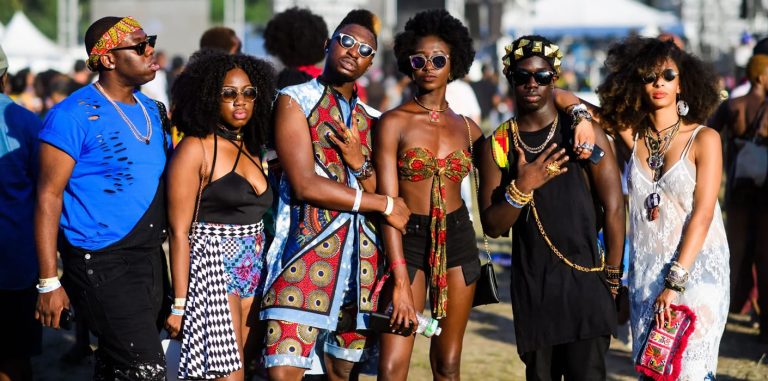
African fashion has become a powerful form of cultural expression, blending traditional fabrics, indigenous craftsmanship, contemporary design and global influences.
Ankara, kente, adire, aso-oke, bogolan, shweshwe and other textile traditions continue to inspire designers, while modern African fashion labels reinterpret heritage for new audiences.
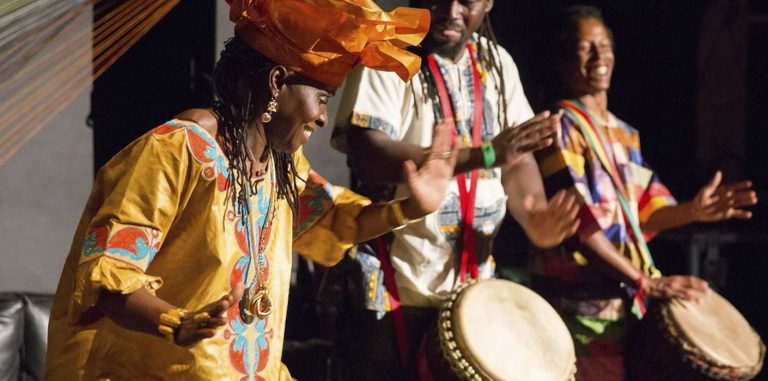
The same cultural confidence can be seen in hairstyles, music, visual arts, interior design, literature and everyday language.
For many young Africans, identity is no longer a choice between tradition and modernity. It is an opportunity to combine both.
A person can embrace contemporary technology while preserving ancestral traditions. A fashion designer can create international collections using locally inspired techniques. A musician can blend indigenous sounds with global production styles.
This cultural confidence is commercially important. It creates opportunities for designers, artisans, manufacturers, retailers, photographers, stylists, event organisers and creative entrepreneurs.
However, cultural representation must also be responsible. Traditional knowledge and artistic expressions deserve recognition, protection and fair economic participation for the communities from which they originate.
FOOD, HEALTH AND THE NEW CONSCIOUS LIFESTYLE
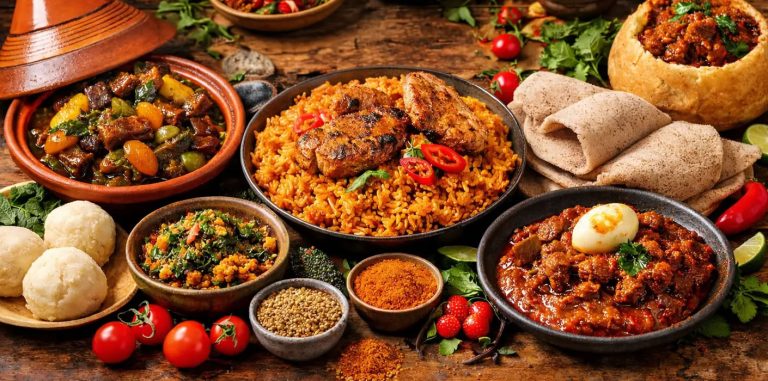
Food remains central to African identity, hospitality and community life. But changing lifestyles are influencing how people eat and think about nutrition.
Urban work schedules, convenience, changing household structures and the expansion of food retail have influenced eating habits in different parts of the continent.
At the same time, interest in fitness, nutrition, preventive health and balanced living is becoming more visible in many communities.
Traditional foods and indigenous ingredients are receiving renewed attention. Local grains, vegetables, legumes, fruits, fish and other regional food resources offer opportunities for healthier food choices and stronger local agricultural value chains.
Restaurants, supermarkets, food producers and hospitality businesses can contribute by offering diverse, accessible and responsibly prepared options.
However, a healthy lifestyle should not become an expensive privilege. Nutrition education, food safety, clean water, affordable fresh produce and reliable healthcare are essential.
The objective should not be to impose one ideal diet or body image. It should be to help individuals and families make informed choices within their economic, cultural and environmental realities.
LEISURE, RECREATION AND THE VALUE OF EXPERIENCE
The meaning of leisure is also changing.
Beyond work and domestic responsibilities, people increasingly seek opportunities for recreation, entertainment, social connection and personal development.
Gyms, swimming pools, parks, cinemas, restaurants, cultural centres, sports clubs, beaches, wellness facilities and entertainment venues contribute to the quality of everyday life.
Across African cities, hospitality and recreation businesses are finding opportunities to serve customers who want more than a meal or a room. They want experiences.
A family may seek a weekend recreation centre. Young professionals may prefer a fitness club. Friends may choose a live music event, a restaurant or a cultural festival. Visitors may combine accommodation with wellness, heritage and leisure activities.
This growing experience economy creates opportunities for tourism, hospitality, sports, entertainment and small businesses.
Yet access remains uneven. Many communities lack safe public parks, affordable sports facilities, recreational centres and well-maintained leisure spaces.
Governments, private investors and community organisations should recognise recreation as part of a healthy society rather than treating it as an unnecessary luxury.
FAMILY, RELATIONSHIPS AND SOCIAL CONNECTION
African family life remains deeply influenced by community, kinship, cultural values and intergenerational relationships. However, the structures through which families live and support one another are changing.
Migration, urban employment, education, housing costs and changing social expectations have influenced household arrangements.
Some families are geographically separated, with parents, children and relatives living in different cities or countries. Others are adapting to smaller households, dual-income arrangements or new forms of shared responsibility.
Women continue to play important roles in family life and economic activity, while conversations around shared domestic responsibilities, education, financial independence and professional opportunities are evolving.
The role of older generations also remains significant. Elders preserve family histories, cultural knowledge and community relationships, while younger people introduce new perspectives and technologies.
The challenge is to navigate social change without losing the values of care, mutual support, respect and belonging.
Modernisation should not require the abandonment of meaningful relationships. A changing society still needs strong families and supportive communities.
THE RISE OF PERSONAL WELLNESS
Wellness is increasingly becoming part of the lifestyle conversation.
Walking, swimming, fitness training, recreational sports, relaxation, improved nutrition, adequate rest and social engagement are gaining attention as ways to support everyday wellbeing.
The wellness economy also presents opportunities across gyms, spas, fitness studios, swimming facilities, healthy food services, wellness tourism and hospitality.
However, wellness should be understood broadly and responsibly. It is not a substitute for medical diagnosis or treatment, and commercial wellness products should not be promoted through exaggerated health claims.
People need reliable health information, accessible healthcare services and safe opportunities to make healthier choices.
Mental wellbeing deserves equal attention. Economic pressures, unemployment, family responsibilities, social isolation and workplace stress can affect individuals and communities. Supportive workplaces, accessible counselling, social connection and public awareness can help reduce stigma and encourage people to seek appropriate assistance.
A healthier Africa will require more than lifestyle trends. It will require systems that make healthy living possible.
THE ENVIRONMENT AND THE FUTURE OF EVERYDAY LIVING
Climate and environmental conditions increasingly influence how Africans live.
Heat, flooding, water shortages, air pollution, changing agricultural conditions and waste management challenges affect households, businesses and communities.
These pressures are not experienced equally. Low-income communities and people living in vulnerable environments may face greater exposure and fewer resources to adapt.
The future of African living must therefore include environmental responsibility.
Energy-efficient buildings, reliable public transport, cleaner energy, improved waste management, water conservation, urban trees and sustainable food systems can contribute to better living conditions.
Businesses also have a role to play. Hotels, restaurants, shopping facilities, recreation centres and residential developments can adopt more responsible approaches to energy, water, waste and procurement.
Sustainability should become a practical part of how communities and organisations operate, not merely a marketing statement.
THE BUSINESS OF THE NEW AFRICAN LIFESTYLE
Changing lifestyles are creating commercial opportunities across several industries.
Housing and property development, fashion, food, fitness, hospitality, entertainment, education, digital services, transport, travel and personal care are all influenced by changing consumer expectations.
The opportunity is not simply to sell more products. It is to understand the needs of a changing population and develop services that genuinely improve everyday life.
For entrepreneurs, this means paying attention to affordability, convenience, quality, safety, cultural relevance and customer experience.
For hospitality operators, it may mean combining accommodation, food, recreation and wellness services. For retailers, it may involve improving access to quality local products. For technology companies, it may mean developing practical solutions that respond to local languages, payment habits and infrastructure realities.
But the growth of lifestyle businesses must be accompanied by responsible standards. Consumers deserve transparent pricing, safe facilities, accurate product information and reliable service.
The businesses that understand both aspiration and everyday reality will be better positioned to serve Africa’s changing markets.
BUILDING A BETTER QUALITY OF LIFE
The transformation of African lifestyles cannot be measured only by the number of smartphones, shopping centres, luxury apartments or entertainment venues.
A society is also judged by whether its people have access to decent housing, education, healthcare, clean water, reliable energy, meaningful employment, safe public spaces and opportunities for recreation.
Government policy, private investment and community participation must work together.
Governments should strengthen infrastructure, urban planning, public health, environmental management and consumer protection. Businesses should develop affordable, responsible and innovative services. Educational institutions should prepare people for changing economic and social realities. Community organisations should help preserve social connection and inclusion.
Most importantly, development must recognise that people do not all have the same resources or aspirations.
The future African lifestyle should be inclusive enough to accommodate different ages, abilities, incomes, cultures and locations.
A CONTINENT DEFINING ITS OWN WAY OF LIFE
The new African is not a single personality, fashion statement, income category or lifestyle trend.
The new African is a reflection of a continent in motion: ambitious but thoughtful, culturally confident yet globally connected, technologically curious but rooted in community.
There is no reason Africa must copy every lifestyle model developed elsewhere. The continent has its own histories, values, environments, creative traditions and social priorities.
Its future can draw from the best of modern innovation while retaining the strengths of its cultural heritage.
The real measure of progress will not be how closely African societies resemble other parts of the world. It will be how successfully they create living conditions that allow their people to thrive.
Africa is changing. Its people are changing with it. And increasingly, they are deciding what that change should look like.
VOAM VITAL AFRICA | THE TAKEAWAY
The new African lifestyle is being shaped by urbanisation, technology, youth ambition, cultural confidence, changing work patterns and a growing interest in wellness and quality of life. But progress must go beyond appearances and consumer trends. A truly modern Africa must make opportunity, healthy living, recreation, safety and dignity more accessible to everyone.
VOAM QUESTION
What does the ideal African lifestyle look like to you, and what must change in your community to make that lifestyle accessible to more people?