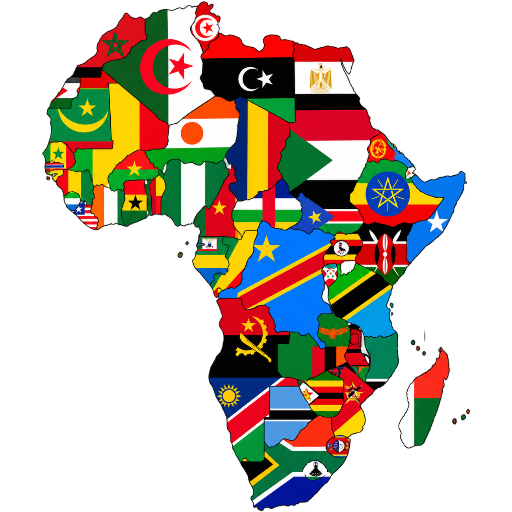


























From ancient cities and dramatic deserts to tropical islands, powerful waterfalls and wildlife-rich landscapes, Africa offers journeys that challenge expectations and reward curiosity. These ten destinations reveal a continent of extraordinary variety—one best experienced through its landscapes, people, histories and living cultures.
Beyond the Postcard
Ask someone to imagine Africa as a travel destination, and certain images may immediately come to mind: elephants crossing the savannah, safari vehicles beneath an open sky or palm trees lining a tropical beach.
These images are real, but they tell only a fraction of the story.
Africa is a continent of ancient civilisations, contemporary cities, remarkable architecture, thriving creative scenes, diverse cuisines and landscapes that can change dramatically within a single journey. Its destinations offer opportunities for adventure, reflection, learning and cultural connection.
A trip might lead to the historic medina of an ancient North African city, a mountain trail above the clouds, a boat journey through a vast inland delta or an island where African, Arab, Indian and European influences have met over centuries.
For travellers willing to look beyond familiar itineraries, the continent offers experiences that can change not only what they see, but how they understand Africa.
Here are ten destinations that deserve a place on the travel map.
1. Cape Town, South Africa — Where Mountains Meet the Ocean
Few cities combine dramatic natural scenery and metropolitan energy as strikingly as Cape Town.
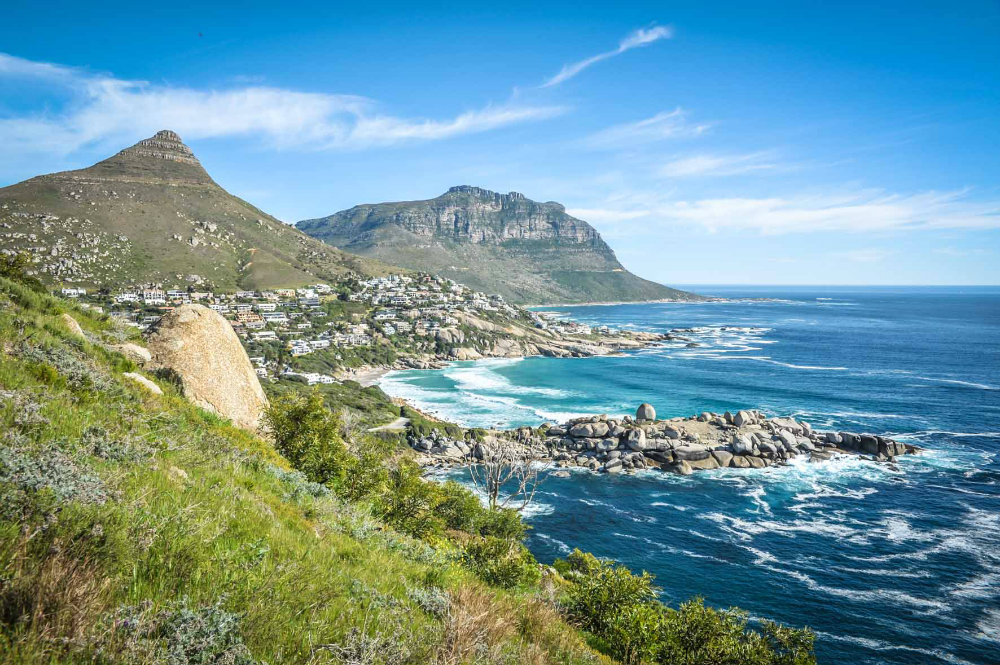
Nestled between the Atlantic Ocean and the rugged landscapes of Table Mountain, the city offers panoramic views, coastal drives, beaches, gardens, museums and neighbourhoods shaped by complex histories.
Table Mountain National Park provides opportunities for hiking, sightseeing and exploring remarkable biodiversity. The mountain’s flat summit has become one of the city’s defining landmarks, while the surrounding coastline offers views that shift with the light and weather.
Cape Town also invites visitors to confront South Africa’s history. Robben Island, where Nelson Mandela was imprisoned for many years, is a powerful site of remembrance associated with the struggle against apartheid. The District Six Museum documents the forced removals that devastated a once-vibrant multiracial neighbourhood.
The city’s food, art, design and music scenes add further dimensions to the experience. Nearby coastal communities and the Cape Winelands offer additional excursions, although visitors should plan transport carefully and respect local safety guidance.
Why it changes your perspective: Cape Town demonstrates how natural beauty, creative energy and difficult historical truths can exist within the same urban landscape.
Best for: Nature lovers, history enthusiasts, food travellers and urban explorers.
2. Zanzibar, Tanzania — An Island of Many Histories
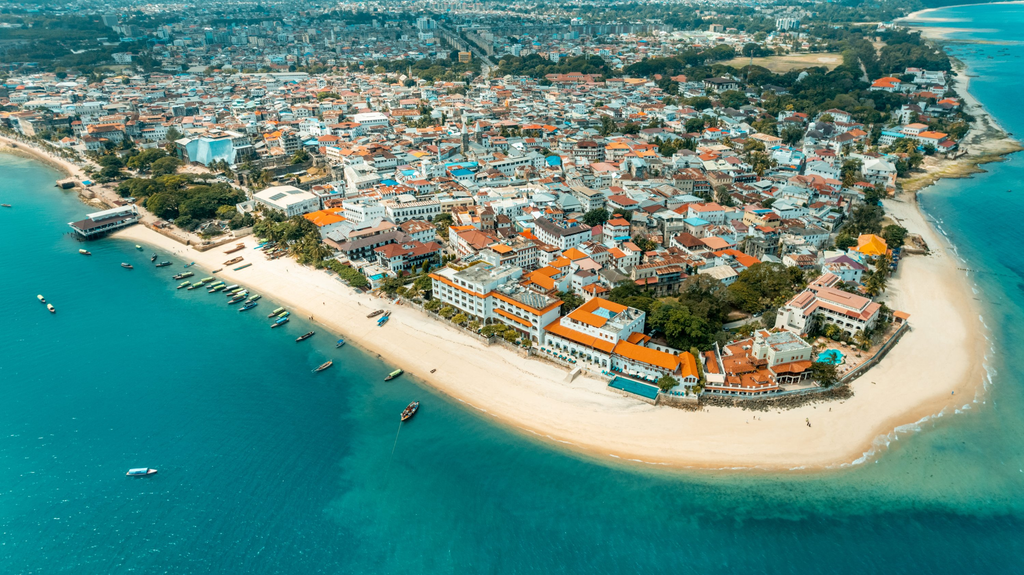
Off the coast of mainland Tanzania, Zanzibar offers turquoise waters, coral landscapes and a rich cultural history shaped by Indian Ocean trade.
Stone Town, the historic heart of Zanzibar City, is known for its narrow streets, carved wooden doors, historic buildings and layered Swahili culture. African, Arab, Persian, Indian and European influences have interacted across the region for centuries, producing a distinctive cultural environment.
Yet Zanzibar’s history includes both remarkable exchange and painful exploitation. The island was a major centre of the Indian Ocean slave trade, and its historical sites invite visitors to engage with that legacy rather than seeing the destination only through a beach-holiday lens.
Beyond Stone Town, visitors can explore coastal villages, marine environments and local food traditions. Depending on the season and conditions, activities may include snorkelling, diving, sailing and guided cultural visits.
Responsible travel matters. Marine ecosystems are vulnerable to pollution and poorly managed tourism, while community-based experiences should benefit the people who host them.
Why it changes your perspective: Zanzibar reveals an Africa connected to global history through the ocean, where cultural exchange, commerce, creativity and human suffering all form part of the story.
Best for: Cultural travellers, island explorers, history lovers and marine enthusiasts.
3. Victoria Falls, Zambia and Zimbabwe — The Power of Nature
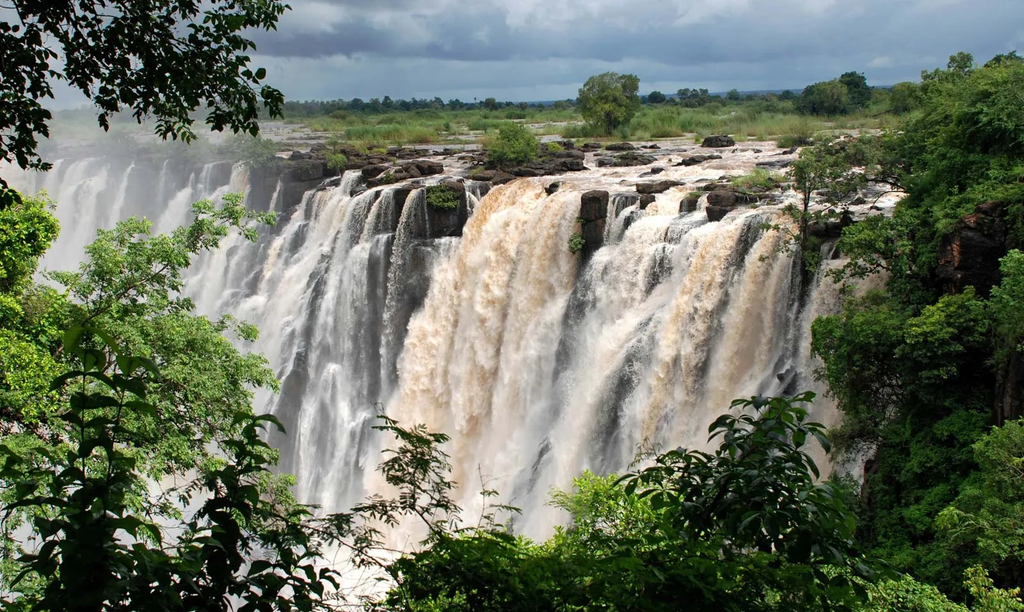
Known locally as Mosi-oa-Tunya, often translated as “The Smoke That Thunders,” Victoria Falls is one of the world’s most spectacular waterfalls.
Located on the Zambezi River along the border of Zambia and Zimbabwe, the falls create immense curtains of water and rising spray, particularly during periods of high flow.
The surrounding area offers viewpoints, walking trails, wildlife experiences and river-based activities. The character of the falls changes through the year: high-water periods can produce powerful spray that obscures some views, while lower-water periods may reveal more of the rock formations, depending on the location and season.
Visitors can experience the destination from either country, although access, activities, prices and visa arrangements differ. Activities such as rafting, helicopter flights and other adventure excursions depend on seasonal water levels, weather and operator safety standards.
The region also has cultural and ecological significance that extends beyond the waterfall itself. Travellers should seek reputable guides and avoid activities that disturb wildlife or damage sensitive habitats.
Why it changes your perspective: Victoria Falls offers a visceral reminder of the scale of the natural world—and of the need to protect the ecosystems and communities connected to it.
Best for: Adventure travellers, nature photographers and families seeking outdoor experiences.
4. The Pyramids of Giza, Egypt — Standing Before Ancient History
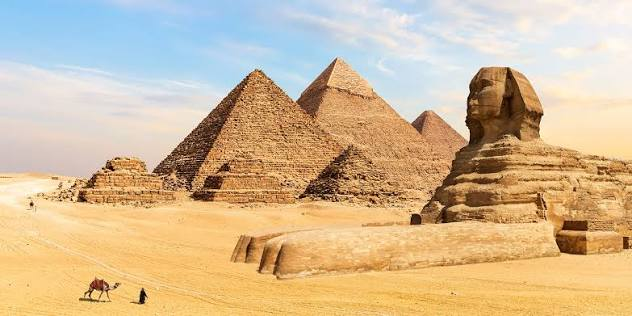
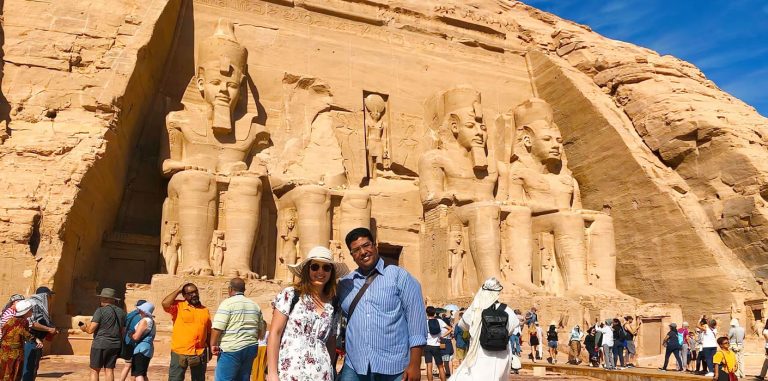
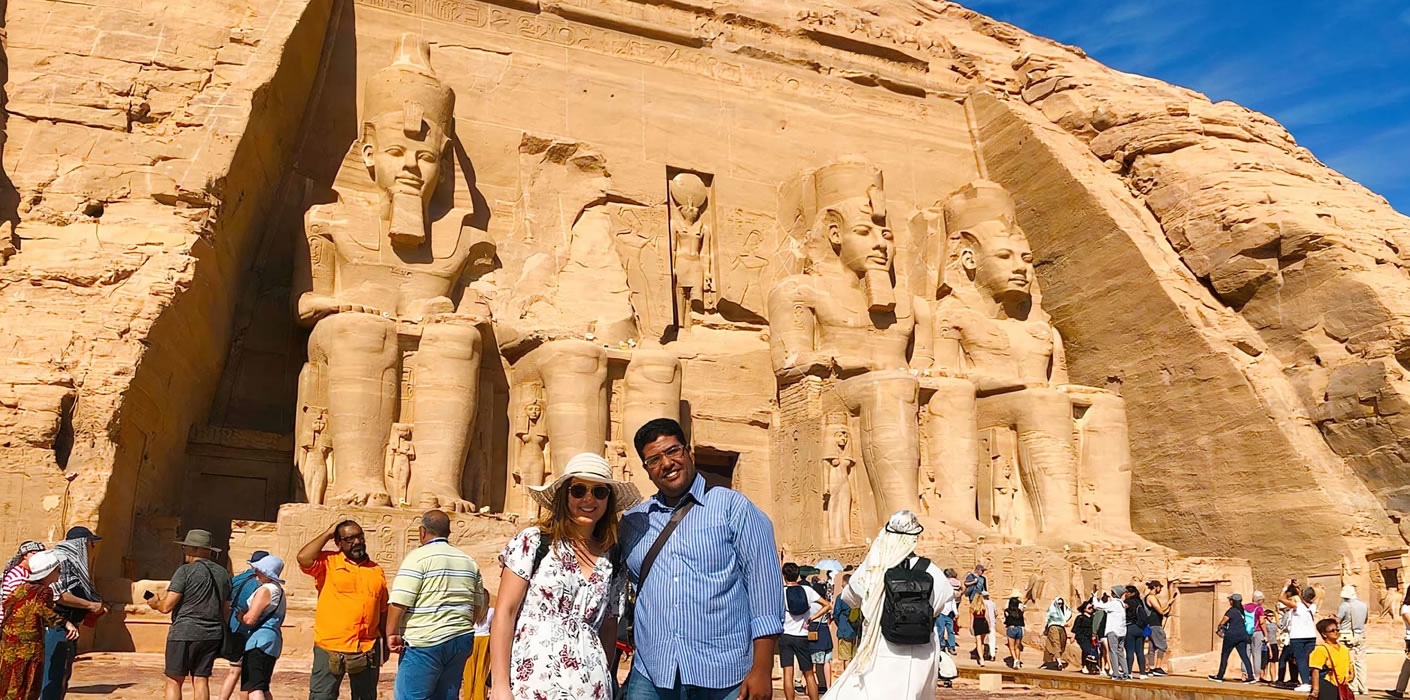
On the edge of Cairo, the pyramids of Giza rise from the desert as enduring monuments to the ancient Egyptian civilisation.
The Great Pyramid, built for Pharaoh Khufu during the Old Kingdom, is the most famous of the three principal pyramids on the plateau. The wider site includes the pyramid complexes, the Great Sphinx and other archaeological remains that help researchers understand royal power, religious beliefs, engineering and organised labour in ancient Egypt.
These monuments are more than spectacular backdrops for photographs. They are evidence of sophisticated planning, mathematics, logistics and craftsmanship. Their construction involved large, organised workforces and complex systems of supply and coordination.
A meaningful visit benefits from context. A knowledgeable guide or reliable museum resources can help explain the religious and political ideas that shaped the monuments and distinguish established evidence from popular myths.
Cairo itself adds another dimension, with historic mosques, churches, markets, museums and contemporary neighbourhoods revealing the many layers of Egyptian life.
Visitors should check current site arrangements, opening times and access requirements before travelling.
Why it changes your perspective: Giza challenges the idea that monumental engineering and complex state organisation belong exclusively to the modern age.
Best for: Archaeology enthusiasts, history lovers, families and first-time visitors to Egypt.
5. Marrakech, Morocco — A City of Colour, Craft and Contrast
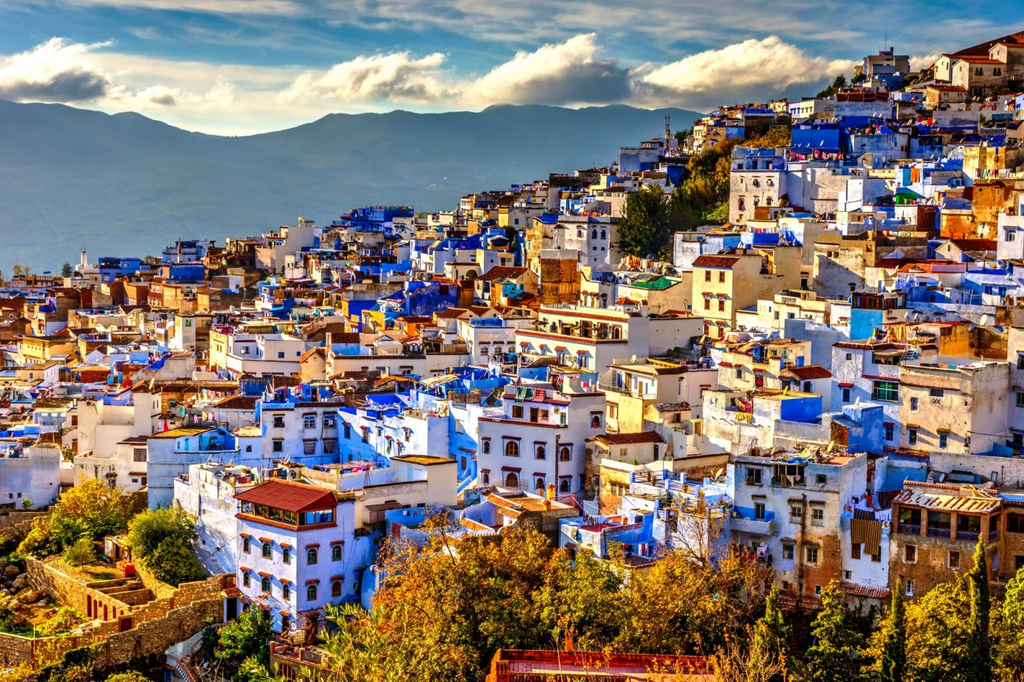
Marrakech draws travellers into a world of lively markets, historic architecture, gardens, courtyards and distinctive Moroccan design.
At the centre of the old city lies Jemaa el-Fnaa, a celebrated public square whose atmosphere changes throughout the day. Nearby souks offer textiles, ceramics, metalwork, leather goods and other products made by artisans and traders.
The medina’s historic buildings reflect centuries of craftsmanship and cultural exchange. The city’s gardens and palaces provide quieter spaces, while contemporary galleries, cafés and restaurants show how Marrakech continues to evolve.
A good visit requires time and curiosity. Instead of rushing through the markets, travellers can learn about traditional craft techniques, sample local dishes and seek out reputable artisans who can explain the work behind their products.
Respectful travel also means asking permission before photographing people, negotiating fairly and being mindful of local customs, particularly when visiting religious or residential spaces.
Marrakech is a major gateway to the Atlas Mountains and other Moroccan landscapes, making it possible to combine urban exploration with excursions into surrounding regions.
Why it changes your perspective: Marrakech demonstrates that heritage is not simply preserved in monuments; it is also sustained through everyday commerce, skilled craftsmanship and changing urban life.
Best for: Architecture lovers, shoppers, food enthusiasts and cultural explorers.
6. The Okavango Delta, Botswana — A Wilderness Shaped by Water
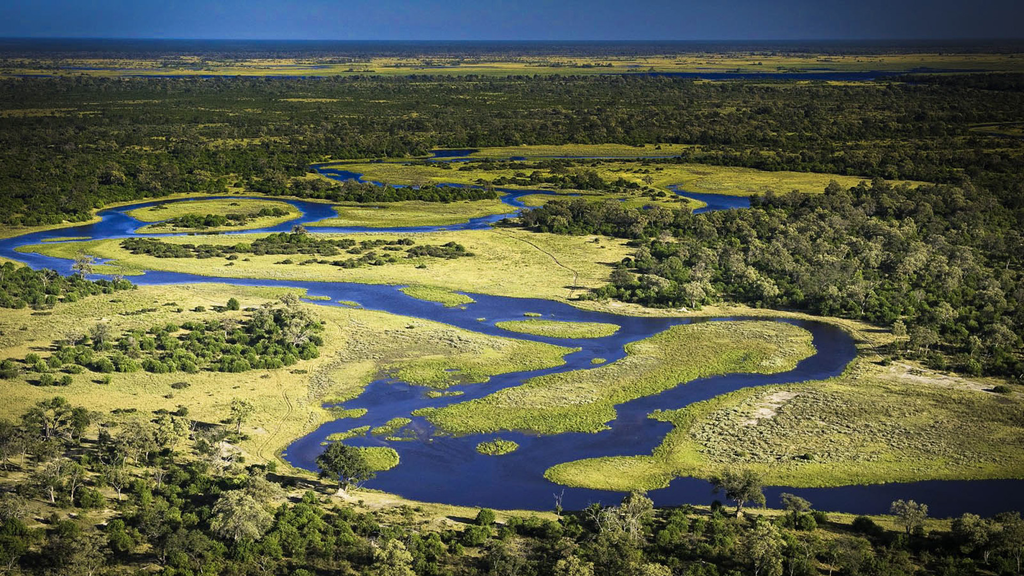
In northern Botswana, the Okavango Delta forms an extraordinary inland wetland where seasonal floodwaters spread across a landscape of channels, islands, grasslands and lagoons.
Unlike a conventional river delta that empties into the sea, the Okavango’s waters flow into the interior of the Kalahari region, sustaining habitats that support a remarkable variety of wildlife.
Depending on the season and location, visitors may explore by safari vehicle, boat or traditional-style mokoro canoe operated by trained local guides. Wildlife sightings can include elephants, hippos, crocodiles, antelope and numerous bird species, although no sighting is guaranteed.
The Delta is also a reminder that conservation depends on people as well as landscapes. Communities, tourism operators, conservation organisations and public authorities all play roles in managing land, water, wildlife and economic opportunity.
Because the Delta is environmentally sensitive, travellers should choose operators with credible conservation and community practices. They should also recognise that remote camps can be expensive and may require advance booking, charter flights or carefully planned transfers.
Why it changes your perspective: The Okavango shows how water can transform an arid region into a thriving ecosystem—and how conservation and local livelihoods are closely connected.
Best for: Wildlife enthusiasts, photographers, birdwatchers and travellers seeking a nature-focused experience.
7. Lalibela, Ethiopia — Churches Carved from Living Rock
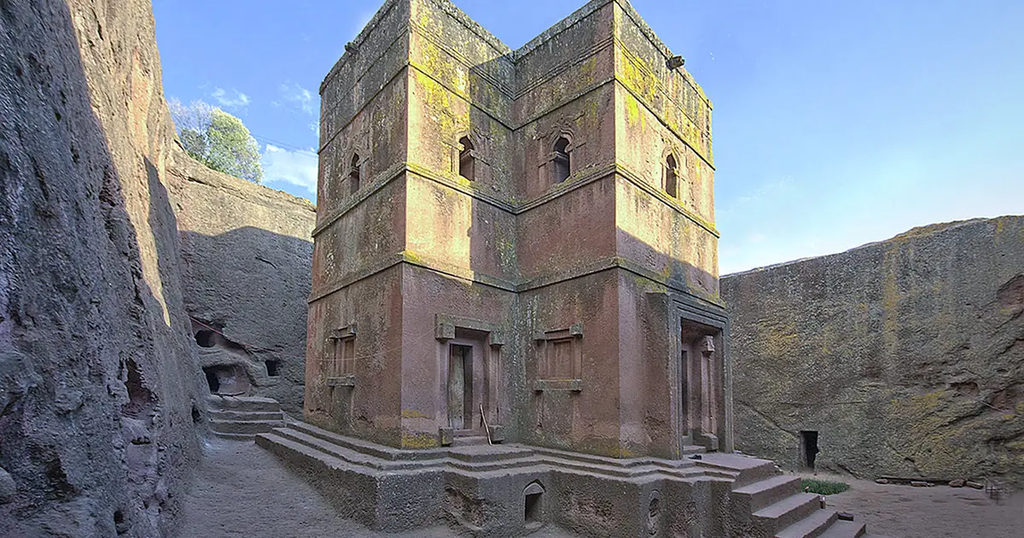
In the highlands of northern Ethiopia, Lalibela is renowned for its extraordinary rock-hewn churches, carved directly into the rock rather than built in the conventional way.
Associated with the medieval Zagwe dynasty and the reign of King Lalibela, the complex became a major centre of Ethiopian Orthodox Christian pilgrimage. Its churches, trenches, passageways and interconnected spaces reveal remarkable architectural skill and religious devotion.
For pilgrims, Lalibela is a living sacred landscape. Worship, prayer, festivals and religious learning remain central to its significance. Visitors should therefore approach the site with sensitivity, following local guidance on dress, photography and access to worship spaces.
The destination also provides a window into Ethiopia’s broader history, which includes ancient kingdoms, distinctive literary traditions and enduring religious institutions.
Travel planning is particularly important because security conditions, transport links and access arrangements can change. Visitors should consult current official travel advice and confirm local conditions before making plans.
Why it changes your perspective: Lalibela reveals a living African religious and architectural tradition whose importance extends far beyond tourism.
Best for: Cultural travellers, architecture enthusiasts, pilgrims and history lovers.
8. The Simien Mountains, Ethiopia — Africa Above the Clouds
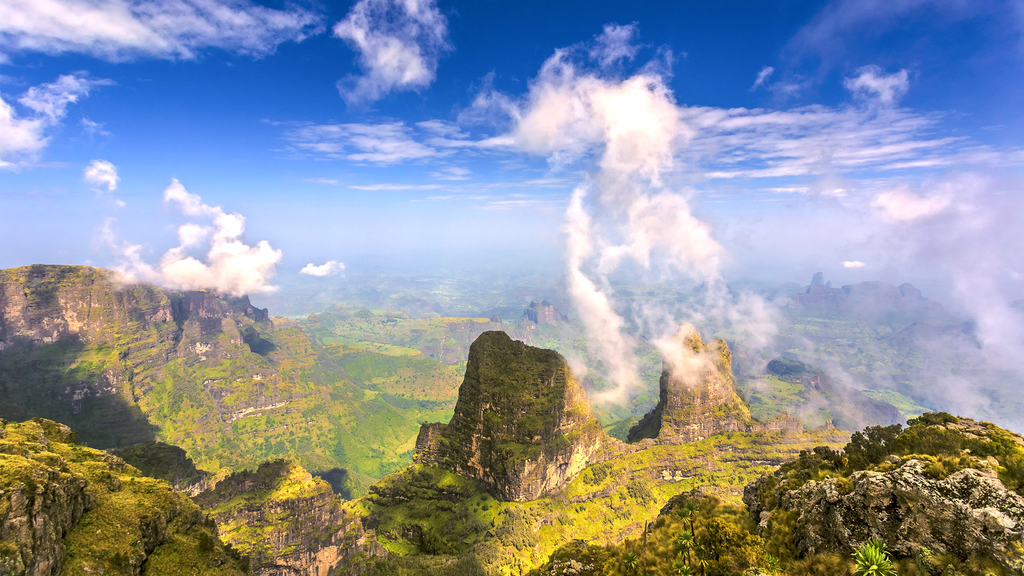
The Simien Mountains rise dramatically in northern Ethiopia, with deep valleys, jagged ridges, steep escarpments and high plateaus that create some of the continent’s most striking mountain scenery.
The national park is known for its distinctive high-altitude ecosystems and endemic wildlife, including the gelada, a primate found in Ethiopia’s highlands. The endangered Ethiopian wolf occurs in parts of the wider highland region, though sightings are not guaranteed and depend on location and conditions.
For trekkers, the Simien Mountains offer challenging routes, expansive views and opportunities to experience highland communities and landscapes. The altitude can make walking demanding, so visitors should allow time to acclimatise, use experienced guides and choose routes appropriate to their fitness.
Conservation is a central concern. Habitat pressure, grazing, climate variability and other factors affect the region’s ecosystems, while local communities have their own livelihoods and connections to the landscape.
Responsible trekking should support local guides and services, minimise waste and follow park rules designed to protect wildlife and fragile environments.
Why it changes your perspective: The Simien Mountains reveal an African landscape that many travellers do not expect—high, rugged and shaped by extraordinary ecological diversity.
Best for: Hikers, photographers, birdwatchers and adventurous nature travellers.
9. The Bazaruto Archipelago, Mozambique — An Ocean Worth Protecting
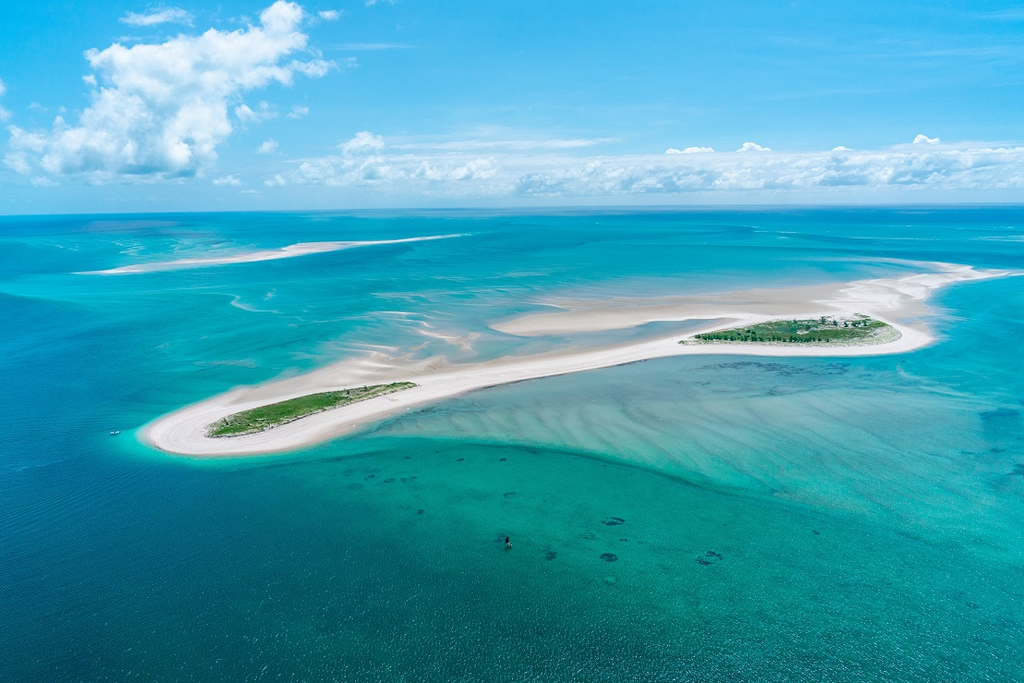
Off the coast of southern Mozambique, the Bazaruto Archipelago is celebrated for its sandy islands, clear waters, coral reefs and marine biodiversity.
The protected archipelago includes habitats important to a range of marine species. Depending on conditions and responsible operator availability, visitors may enjoy snorkelling, diving, sailing, birdwatching and other coastal activities.
Its appeal is not limited to scenery. The islands and surrounding waters are connected to the lives and livelihoods of coastal communities, including people who depend on fishing and related activities.
Marine tourism can generate employment and help raise awareness of conservation, but it also brings responsibilities. Coral reefs are vulnerable to physical damage, pollution and warming seas. Poorly managed development can place pressure on habitats and local resources.
Visitors should follow marine safety guidance, avoid touching or standing on coral, respect wildlife distances and choose operators who demonstrate responsible environmental practices.
Access may involve road transfers, boats or flights, depending on the island and accommodation. Costs and services vary considerably, so travellers should research options carefully.
Why it changes your perspective: Bazaruto highlights the extraordinary value of Africa’s marine environments and the importance of protecting coastal ecosystems alongside the livelihoods they support.
Best for: Divers, snorkellers, island travellers and people seeking a quieter coastal escape.
10. Osun-Osogbo Sacred Grove, Nigeria — Where Culture and Nature Meet
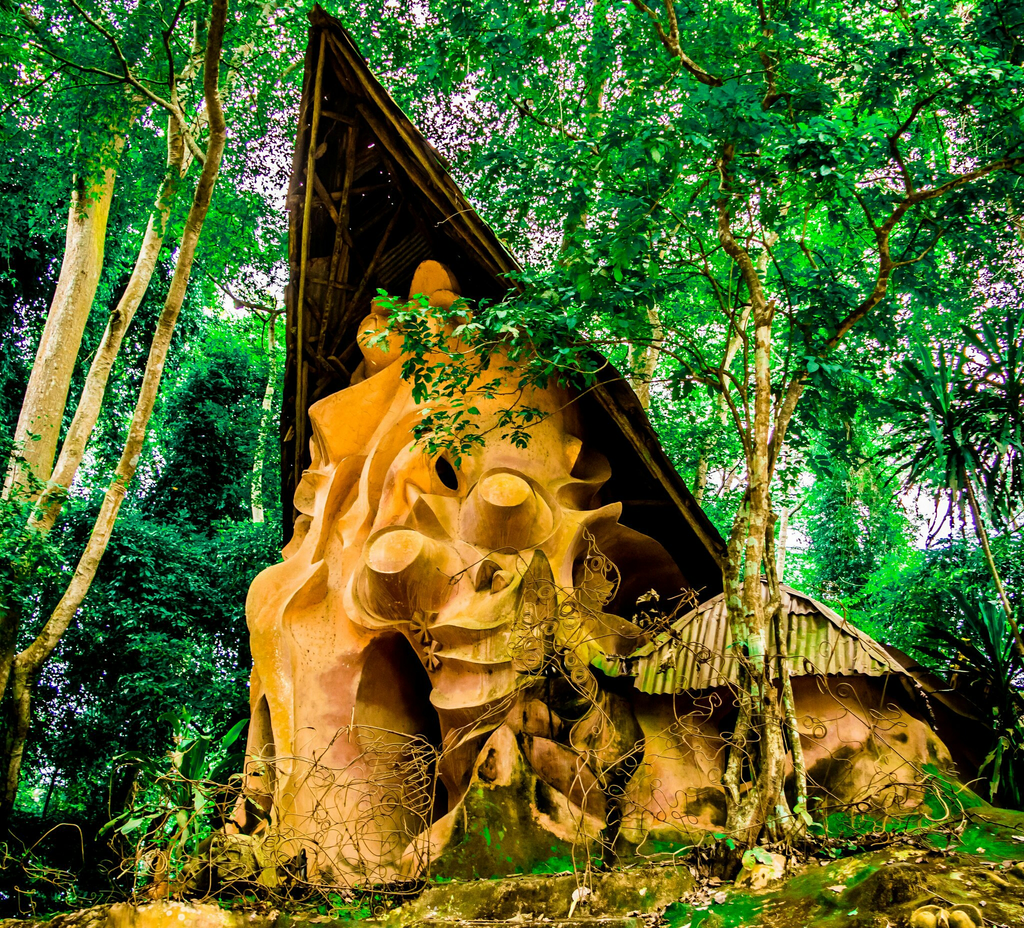
In Osogbo, southwestern Nigeria, the Osun-Osogbo Sacred Grove preserves a forest landscape of deep cultural and spiritual significance to the Yoruba people.
Recognised as a UNESCO World Heritage Site, the grove is associated with Osun, the Yoruba river deity, and contains shrines, sculptures, sacred spaces and other features connected to religious practice and cultural memory.
The grove is not simply an archaeological site. It remains an active sacred place, closely connected to the annual Osun-Osogbo Festival, which draws worshippers, cultural participants and visitors.
The festival provides an opportunity to encounter Yoruba traditions through ritual, music, procession and communal gathering. But visitors should understand that the ceremonies have meanings beyond public spectacle and should follow the guidance of local custodians and organisers.
The grove also demonstrates the relationship between cultural preservation and environmental protection. Its forest, water and sacred spaces are linked to traditions that have helped shape how the site is understood and cared for.
For Nigerian travellers, the destination offers an opportunity to explore cultural heritage within the country rather than assuming that a memorable African journey must begin with an international flight.
Why it changes your perspective: Osun-Osogbo shows how a living spiritual tradition, a natural landscape and a recognised heritage site can be inseparable.
Best for: Cultural travellers, heritage enthusiasts, photographers and visitors interested in Yoruba history.
One Continent, Many Kinds of Journey
These ten destinations are not a definitive ranking of Africa’s best places. They are an invitation to travel more widely and look more deeply.
They show that Africa’s appeal cannot be reduced to a single landscape or experience. The continent offers ancient monuments and modern cities, mountain trails and tropical coastlines, living religious traditions and cutting-edge creative scenes.
Each destination also raises questions about how travel should be approached. Who benefits from tourism? How are local histories represented? What happens to fragile environments as visitor numbers grow? Are cultural practitioners and community businesses receiving fair recognition and economic returns?
The most rewarding journeys go beyond ticking attractions off a list. They make space for conversation, learning and a more thoughtful understanding of the places being visited.
Travellers can contribute by choosing responsible operators, supporting local businesses, learning about cultural protocols, respecting sacred spaces and considering the environmental impact of their decisions.
They can also challenge their own assumptions. Africa is not a single experience waiting to be discovered. It is a continent of many countries, communities, histories and futures.
Your Next African Journey Starts with Curiosity
For some travellers, the perfect African journey may be a trek through mountain landscapes. For others, it may be a historical city, a local food tour, a cultural festival or a quiet stretch of coastline.
There is no single correct way to experience the continent.
What matters is the willingness to look beyond familiar images and encounter destinations on their own terms. A place becomes more meaningful when visitors understand something of its history, respect the people who live there and recognise the pressures as well as the possibilities shaping its future.
Africa awaits—not as one destination, but as a multitude of worlds connected by geography, exchange, creativity and history.
The journey begins when we stop asking what Africa looks like and start discovering what each place has to tell us.

VOAM DESTINATION AFRICA | THE TAKEAWAY
Africa’s greatest travel asset is its diversity. From the pyramids of Egypt and the cultural streets of Marrakech to the Okavango Delta, Zanzibar and Nigeria’s Osun-Osogbo Sacred Grove, the continent offers experiences that connect nature, history, culture and contemporary life.
Travel responsibly: support local businesses, respect cultural protocols, protect the environment and verify current access and safety conditions before departure.
The VOAM question: Which African destination would you visit first—and what would you want to learn from the people who call it home?