

























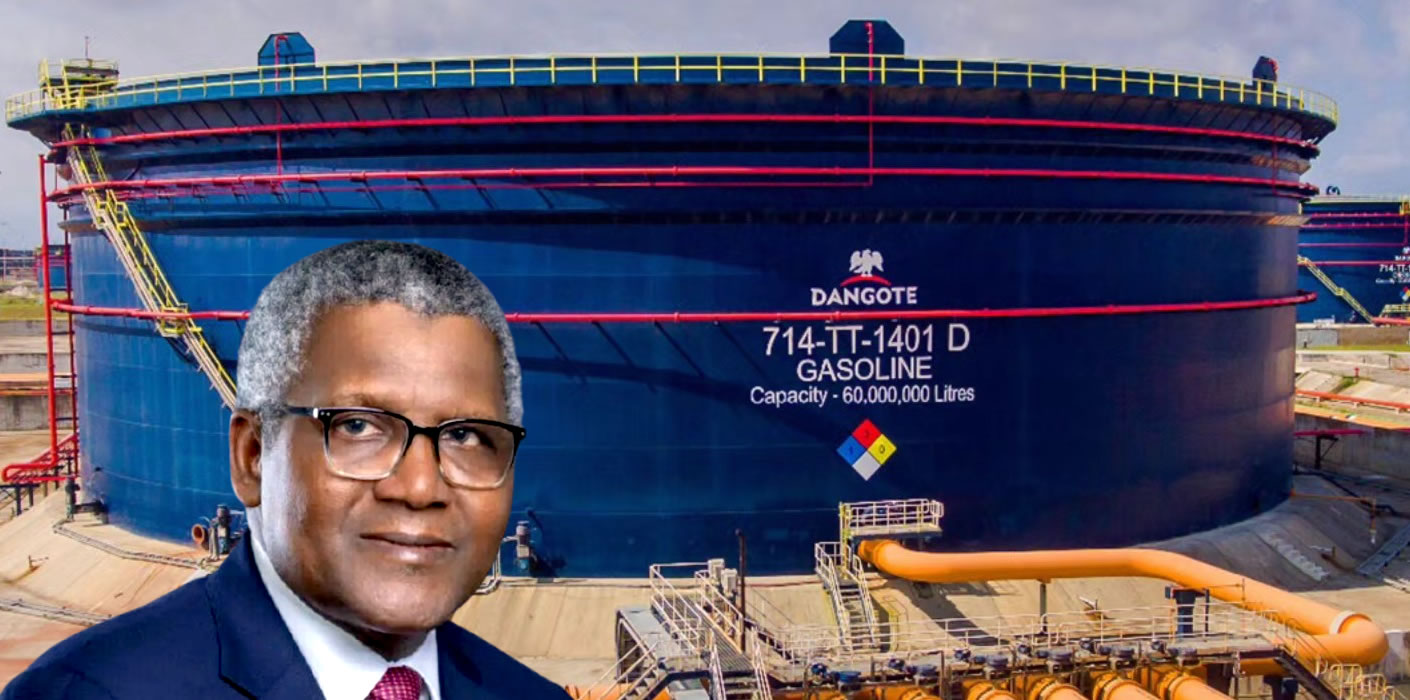

How an ambitious industrial project is reshaping the conversation about petroleum refining, energy security and Africa’s capacity to build at scale.
A CONTINENT AT AN INDUSTRIAL CROSSROADS
For decades, Africa has occupied a paradoxical position in the global energy economy. The continent possesses significant oil and gas resources, yet many African countries have depended heavily on imported refined petroleum products to meet domestic demand.
Crude oil has flowed from African fields to international markets, while refined products have often travelled back into African economies at considerable financial and logistical cost.
This arrangement has raised important questions about industrial capacity, infrastructure, energy security and the ability of African economies to capture more value from their natural resources.
Why should a continent that produces crude oil continue to face the challenges associated with importing substantial quantities of refined petroleum products? What would it take for African countries to build stronger domestic refining industries? And can large-scale industrial investment change the relationship between Africa’s natural resources and its economic future?
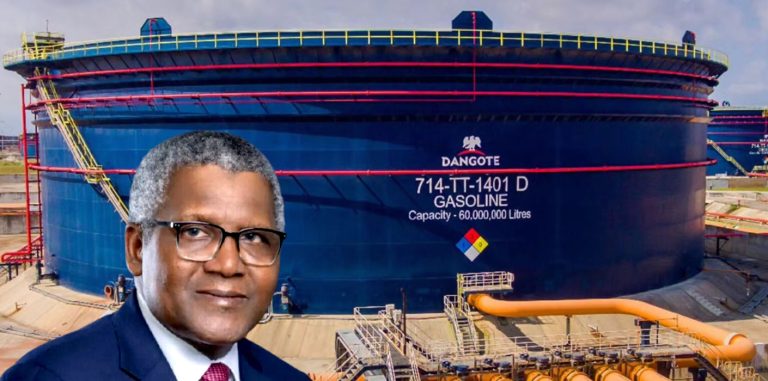
These questions form the backdrop to one of Nigeria’s most consequential industrial undertakings: the Dangote Refinery.
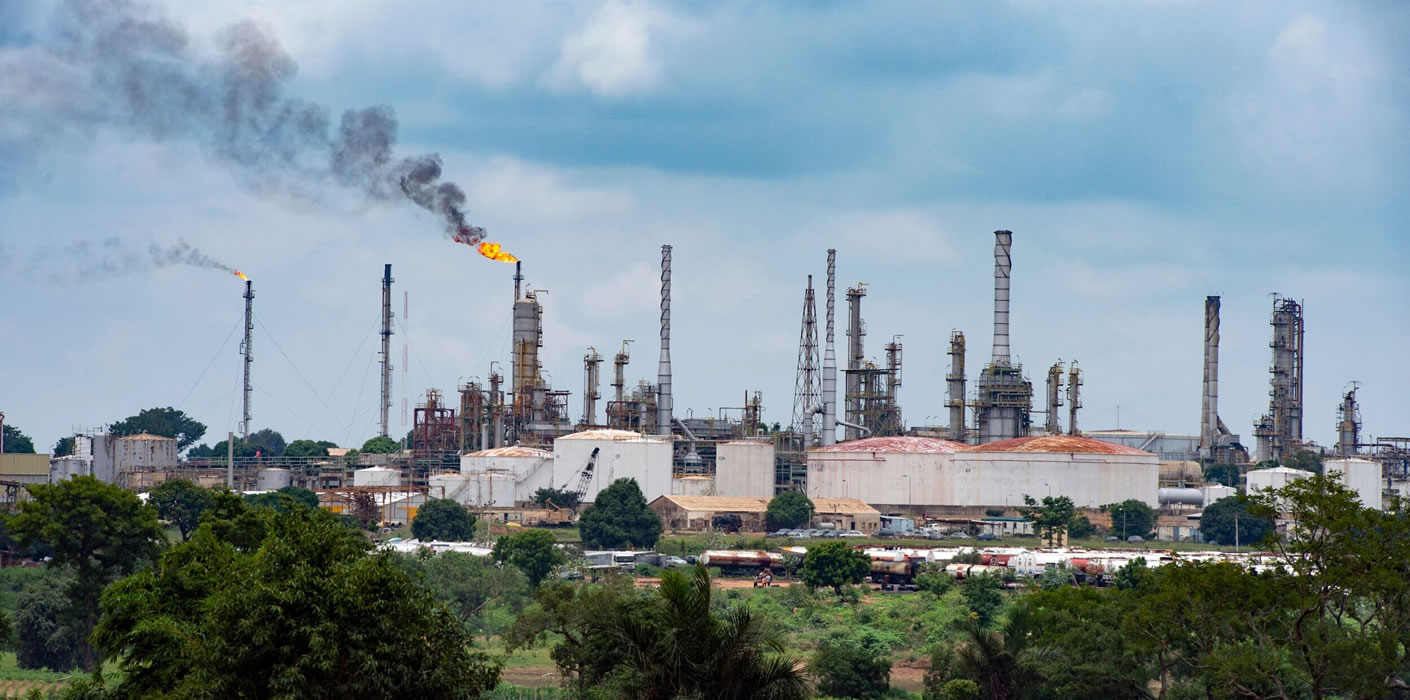
Located in the Lekki area of Lagos State, the refinery represents an ambitious effort to establish large-scale petroleum refining capacity within Africa’s largest economy. Its emergence has intensified the debate about local production, fuel supply, industrialisation and the future of Nigeria’s energy sector.
But the story is bigger than a refinery.
It is about the challenge of turning natural resources into industrial capability, capital into productive infrastructure, and economic ambition into measurable outcomes.
It is also about the question that continues to confront African development: Can Africa build more of the industries that power its own economy?
THE VISION BEHIND THE REFINERY
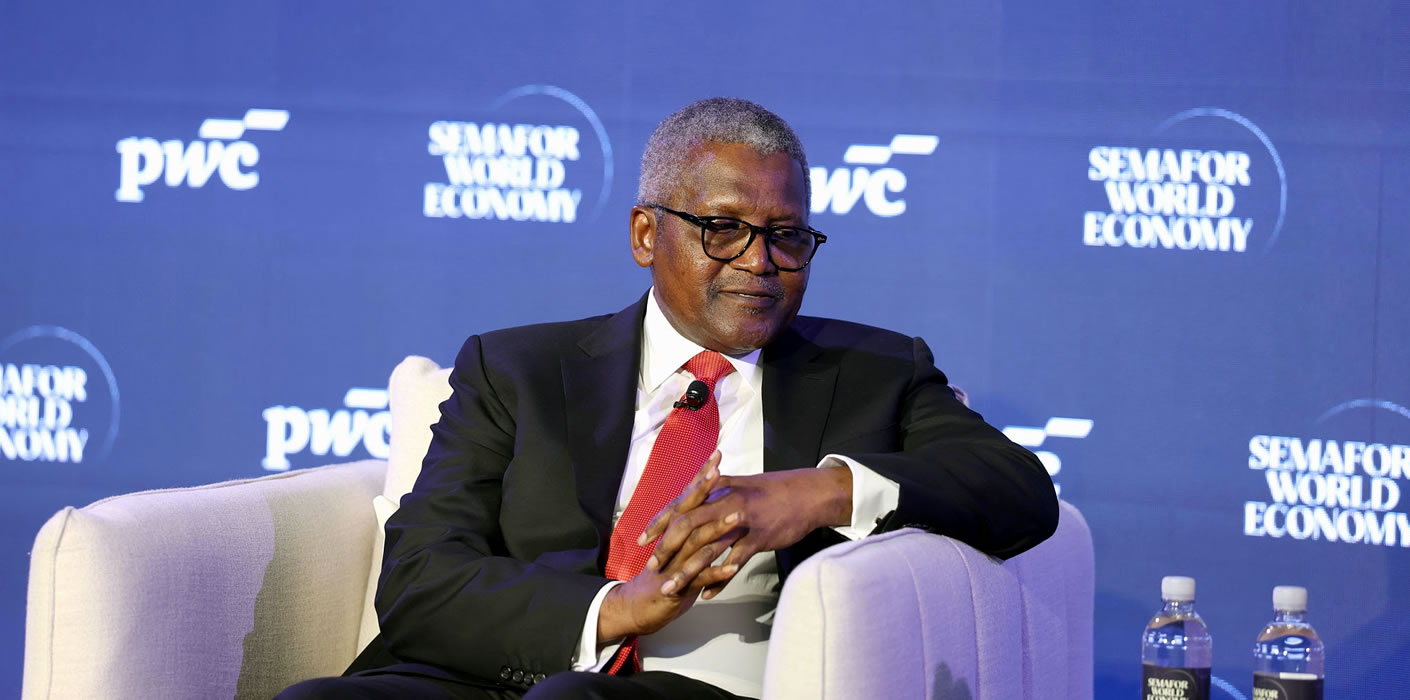
The Dangote Refinery forms part of the industrial ambitions associated with Aliko Dangote, one of Africa’s most prominent business figures.
Through the Dangote Group, his business interests have expanded across sectors including cement, sugar, salt and fertiliser, alongside other industrial activities. The refinery extends this industrial approach into petroleum processing, a sector with significant implications for Nigeria’s economy and wider regional markets.
The project was conceived on a scale intended to serve Nigeria’s substantial domestic fuel market while creating the potential to supply customers elsewhere.
Its commonly cited nameplate capacity is approximately 650,000 barrels of crude oil per day, placing it among the largest single-train refineries in the world. Actual output, however, depends on operational performance, crude availability, maintenance, product specifications and market conditions.
The scale is significant because petroleum refining is not simply a matter of converting crude oil into petrol and diesel. It requires sophisticated processing equipment, reliable infrastructure, skilled personnel, quality control, storage, logistics and access to markets.
It also requires enormous capital and the ability to manage a complex industrial operation over time.
The Dangote Refinery therefore represents both an engineering undertaking and a test of African industrial execution.
Can an African-owned enterprise establish and operate an industrial facility of this magnitude while competing in a global market shaped by international prices, established suppliers and complex energy supply chains?
The answer will depend not only on the refinery’s size, but on its ability to operate reliably, source inputs competitively, meet product standards and deliver sustainable commercial results.
WHY REFINING MATTERS
Crude oil is a valuable resource, but its economic contribution can extend considerably further when it is processed into products used by households, transport systems, factories and other industries.
Refining converts crude oil into a range of products, including petrol, diesel, aviation fuel, liquefied petroleum gas and industrial feedstocks. These products support transportation, power generation in some markets, manufacturing, agriculture, aviation and everyday commercial activity.
When refining takes place domestically, a country may gain opportunities to retain more industrial activity within its economy.
Potential benefits include technical employment, local procurement, industrial services, logistics, maintenance, engineering and the development of supporting businesses.
Domestic refining may also reduce dependence on imported finished products, although the extent of any reduction depends on actual production, domestic demand, product quality, pricing, distribution and the availability of alternative suppliers.
For Nigeria, this issue has particular significance. The country is a major crude oil producer, but the performance and availability of domestic refining capacity have historically been important concerns in its petroleum supply system.
The Dangote project introduces a new dimension to that conversation.
If the refinery consistently produces products that meet market requirements and supplies them competitively, it could help reshape Nigeria’s fuel supply arrangements.
Yet refining capacity alone does not guarantee lower consumer prices. Retail prices are affected by crude oil costs, exchange rates, operating expenses, financing, transportation, taxes and levies where applicable, distribution margins, market competition and government policy.
The real test is whether additional refining capacity translates into a more reliable, efficient and competitive energy market.
FROM CRUDE EXPORTS TO VALUE ADDITION
One of Africa’s longstanding economic challenges has been its dependence on exporting raw or minimally processed commodities.
Oil, gas, minerals and agricultural products have generated export earnings across the continent. However, when processing and manufacturing take place elsewhere, a substantial portion of the potential value associated with those activities may be created outside the producing economy.
The industrial argument behind domestic refining is straightforward: countries should explore opportunities to capture more value from resources they already produce.
For petroleum, that can mean developing refining, petrochemicals, storage, transportation, engineering and related industrial services.
A major refinery can also create demand for specialised contractors, equipment suppliers, technical training and logistics providers. Some of these opportunities may support local businesses and contribute to broader industrial capabilities.
But the benefits are not automatic.
Local companies must be able to meet demanding technical standards, deliver consistently and compete on cost and quality. Skills development must keep pace with operational requirements, while infrastructure and regulatory systems must support industrial activity.
The objective should therefore extend beyond constructing a large facility.
It should be to build an ecosystem of expertise, services, technology and supporting industries capable of generating lasting economic value.
For Africa, this is the deeper significance of the refining conversation.
The next stage of resource development must increasingly ask not only what Africa produces, but what Africa can process, manufacture and sell.
ENERGY SECURITY AND THE NIGERIAN ECONOMY
Energy security is more than the availability of fuel. It involves the ability of an economy to access reliable energy supplies at prices businesses and households can sustain.
When a country depends heavily on imported refined products, its fuel supply may be exposed to international price movements, foreign-exchange pressures, shipping costs and disruptions along global supply routes.
Domestic refining can change some of these dynamics by providing an additional source of supply closer to the market.
For Nigeria, a refinery operating at substantial capacity could reduce certain logistical dependencies and potentially strengthen the domestic supply chain. It may also change how crude oil is allocated between export markets and local processing, depending on commercial arrangements and national policy.
However, domestic production does not remove every external risk.
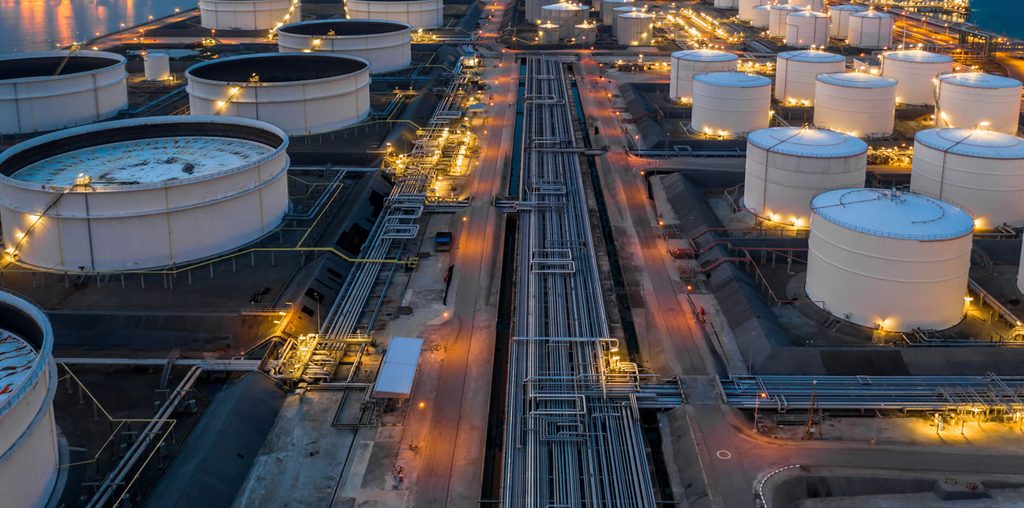
Crude oil prices remain internationally influenced. Refinery operations depend on reliable feedstock and equipment. Some inputs, spare parts and specialised services may still need to be sourced from abroad. Finished products may also be exported when international markets offer attractive commercial opportunities.
Consequently, energy security requires more than a single industrial investment.
It requires effective infrastructure, dependable transportation, transparent market arrangements, adequate storage, strong regulation and a broader strategy for diversifying energy sources.
The refinery is an important part of the discussion, but its long-term national contribution will depend on how successfully it operates within that wider system.
THE INDUSTRIAL MULTIPLIER
Large industrial facilities can have effects beyond their immediate operations.
A refinery needs engineers, technicians, operators, safety professionals, laboratory personnel, logistics specialists, security teams and maintenance workers. It also relies on contractors and suppliers providing everything from industrial equipment to transportation and specialised services.
These requirements can create opportunities for companies and workers throughout the surrounding economy.
The potential multiplier effect is particularly important when local suppliers are able to meet procurement standards and develop long-term relationships with industrial customers.
Technical institutions may also find opportunities to strengthen training programmes in mechanical engineering, electrical systems, process operations, instrumentation, automation, environmental management and industrial safety.
For young Africans, these fields represent an important dimension of the continent’s future employment landscape.
Yet the quality and scale of these benefits must be assessed through evidence. Employment numbers, local procurement, skills transfer, tax contributions and the development of supporting businesses are more meaningful measures than the physical size of a facility alone.
The central question is whether the refinery can help generate a wider industrial ecosystem — one that continues to create value beyond the refinery gates.
THE OPPORTUNITY BEYOND NIGERIA
Nigeria’s domestic market is substantial, but the refinery’s potential significance also extends to the wider African petroleum market.
Many African countries have historically imported refined petroleum products from suppliers outside the continent. A reliable regional source could offer an additional supply option, subject to competitive pricing, product specifications, shipping costs, trade arrangements and the needs of individual markets.
This possibility intersects with the broader ambition of African economic integration.
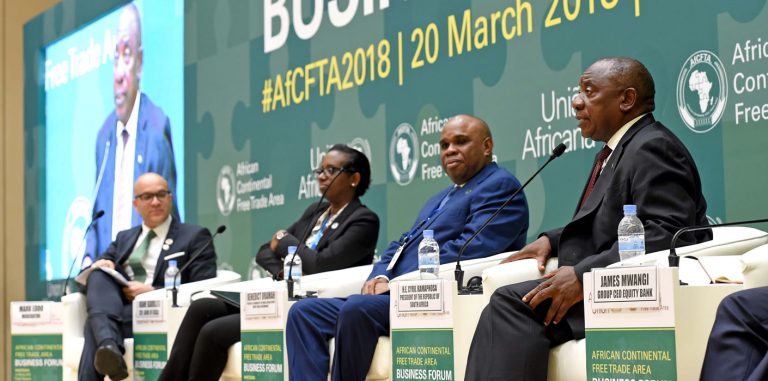
The African Continental Free Trade Area seeks to strengthen intra-African trade and create opportunities for businesses to serve a larger continental market. Energy products are only one part of that ambition, but they illustrate the potential relationship between industrial capacity and regional commerce.
If Nigerian refining capacity supports commercially viable exports, it could contribute to new trading relationships and encourage further investment in storage, shipping, distribution and related services.
However, regional market leadership cannot be assumed from capacity alone. Buyers will compare price, quality, consistency, delivery times, credit terms and the reliability of supply.
African producers must compete on these fundamentals if they are to build durable market relationships.
The wider opportunity is clear: industrial investment in one country can have regional consequences when it is connected to effective trade and logistics networks.
THE CHALLENGES THAT MUST NOT BE IGNORED
A serious assessment of the Dangote Refinery must look beyond its scale and ambition.
Large refineries are complex industrial assets, and their success depends on operational, commercial, financial and environmental performance.
Several issues deserve close attention.
Reliable operations: Maintaining high utilisation requires dependable equipment, planned maintenance, competent personnel and access to crude oil and other necessary inputs.
Competitive pricing: The refinery must operate within a market influenced by global petroleum prices, exchange rates, financing costs, product demand and competing suppliers.
Distribution infrastructure: Storage facilities, pipelines, terminals, roads, shipping and other logistics systems affect how efficiently products reach customers.
Market competition: A healthy petroleum market requires transparent rules and effective competition, protecting the interests of consumers and businesses while allowing suppliers to operate sustainably.
Environmental responsibility: Refining involves emissions, energy consumption, industrial waste and other environmental risks. Strong monitoring, safety systems and regulatory compliance are essential.
Financial sustainability: The long-term viability of a major industrial project depends on its ability to generate sufficient revenue, manage costs, service financing obligations and maintain its assets.
Transparency and accountability: Public understanding of the refinery’s wider economic contribution requires credible information about production, supply, investment, employment, environmental performance and market effects.
These are not arguments against the project. They are the questions that must be answered if its promise is to become a durable industrial success.
Ambition can establish a project. Operational excellence and sound commercial performance determine whether it fulfils its potential.
WHAT DOES SUCCESS LOOK LIKE?
The refinery’s ultimate significance should not be judged by its size alone.
A more meaningful assessment would consider a range of outcomes over time.
Has it improved the reliability of domestic petroleum supply?
Has it operated consistently at commercially meaningful levels?
Has it strengthened the capabilities of Nigerian suppliers and technical professionals?
Has it created sustainable employment and skills development?
Has it contributed to competitive markets and efficient distribution?
Has it supported viable exports to regional markets?
Has it met applicable environmental and safety requirements?
Has it helped build an industrial ecosystem capable of supporting further investment?
These questions provide a more complete framework for understanding its contribution.
They also point to a larger lesson for African industrialisation: major infrastructure must be connected to measurable economic outcomes.
The goal is not simply to build impressive facilities.
It is to build productive systems that create value for businesses, workers, communities and consumers.
A LESSON FOR AFRICAN INDUSTRY
The Dangote Refinery offers a wider subject for reflection across Africa.
The continent has significant opportunities in agriculture, mining, energy, pharmaceuticals, manufacturing, digital technology and other industries. In many of these sectors, the challenge is not merely the availability of resources or ideas. It is the ability to assemble the capital, infrastructure, technical expertise, institutions and market access required to turn them into competitive industries.
Industrial development demands patience.
It requires long-term investment, reliable power, capable workers, efficient logistics, sound regulation and access to customers. It also requires entrepreneurs willing to take calculated risks and institutions capable of creating an environment in which productive businesses can grow.
One successful project cannot resolve all of these challenges.
But major industrial investments can demonstrate what becomes possible when ambition is matched with capital, engineering and execution.
For other African economies, the lesson is not necessarily to replicate the same project. Different countries have different resource endowments, market sizes, energy needs and development priorities.
The more useful lesson is to identify strategic industries in which local processing and manufacturing can create lasting value — and then build the systems required to compete.
THE FUTURE OF AFRICA’S ENERGY STORY
Africa’s energy future will not be shaped by petroleum refining alone.
The continent must also address electricity access, renewable energy, gas infrastructure, cleaner industrial technologies, energy efficiency and the needs of a growing population.
Oil and gas will remain relevant to many African economies for years to come, but the global energy system is also changing. Industrial investment must therefore account for market uncertainty, evolving technology, environmental responsibilities and the transition towards lower-carbon energy systems.
For a major refinery, long-term resilience will depend on its ability to operate efficiently, respond to changing market conditions and meet increasingly important environmental and regulatory expectations.
For African policymakers, the challenge is to balance immediate energy needs with the investments required for a more diversified and sustainable energy future.
For businesses, the opportunity lies in developing the expertise, technology and infrastructure that allow African economies to participate more effectively in the industries of tomorrow.
The refinery is one chapter in this larger story — a chapter that will be judged by what it delivers over time.
THE STORY BEYOND THE REFINERY
The Dangote Refinery is more than an industrial landmark. It is a focal point for a much larger debate about Africa’s economic choices.
Should African countries continue to rely heavily on importing finished products when they possess opportunities to develop domestic processing capacity?
How can industrial investment create jobs, skills and supporting businesses rather than operate as an isolated facility?
What policies can encourage local value addition while protecting consumers and maintaining competitive markets?
How can African countries turn individual industrial projects into stronger regional supply chains?
And how can the continent build industries that remain productive, responsible and competitive in a changing global economy?
These questions reach beyond Nigeria. They speak to the future of African enterprise itself.
The answer will not come from one refinery, one entrepreneur or one government. It will emerge from the combined decisions of businesses, investors, workers, institutions and communities across the continent.
But the refinery has helped bring the debate into sharper focus.
Africa has resources. Africa has markets. Africa has entrepreneurs and engineers capable of taking on ambitious industrial challenges.
The task is to connect these assets to the systems, investment and accountability required to create lasting value.
The African oil revolution, if it is to become more than a headline, must ultimately be measured by the industries it strengthens, the opportunities it creates and the value it enables Africa to retain.
Because the future of African energy is not only about what lies beneath the ground. It is also about what Africa chooses to build above it.
VOAM COVER STORY | THE TAKEAWAY
The central question: Can Africa turn its natural resources into stronger domestic industries, more competitive markets and sustainable economic opportunity?
The opportunity: Greater value addition, technical skills, industrial services, supply-chain development and regional trade.
The test: Reliable operations, competitive pricing, environmental responsibility and measurable benefits for the wider economy.
The bigger picture: The Dangote Refinery is one important case study in Africa’s continuing effort to move from resource production towards greater industrial capability.