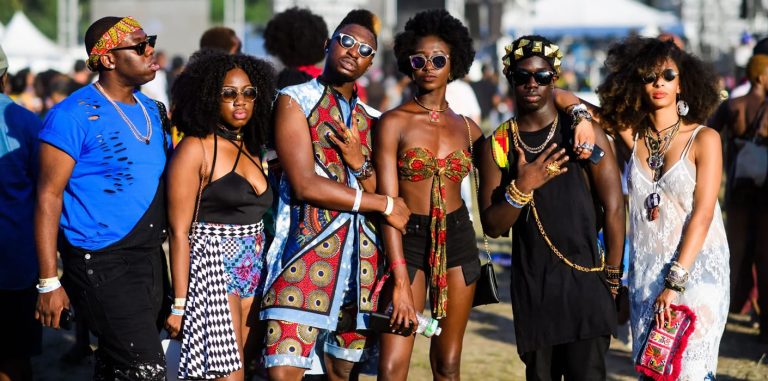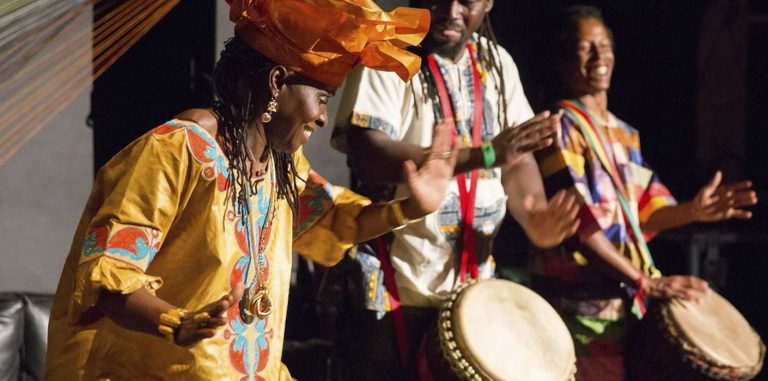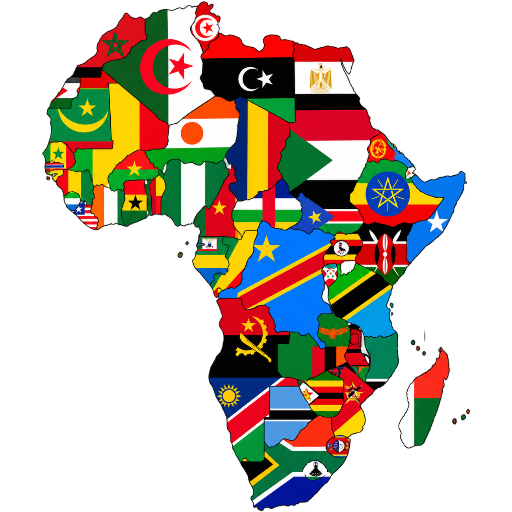







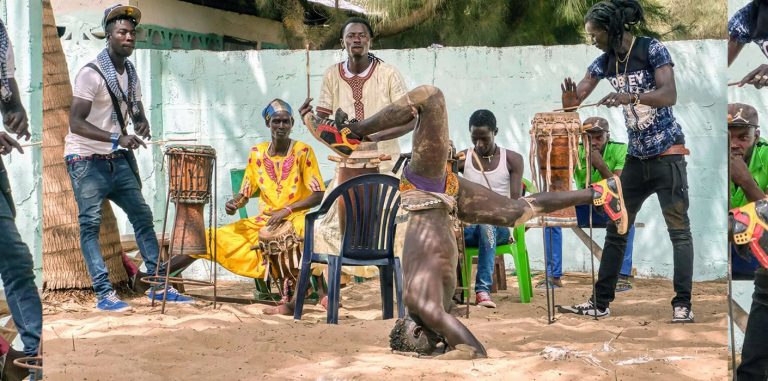












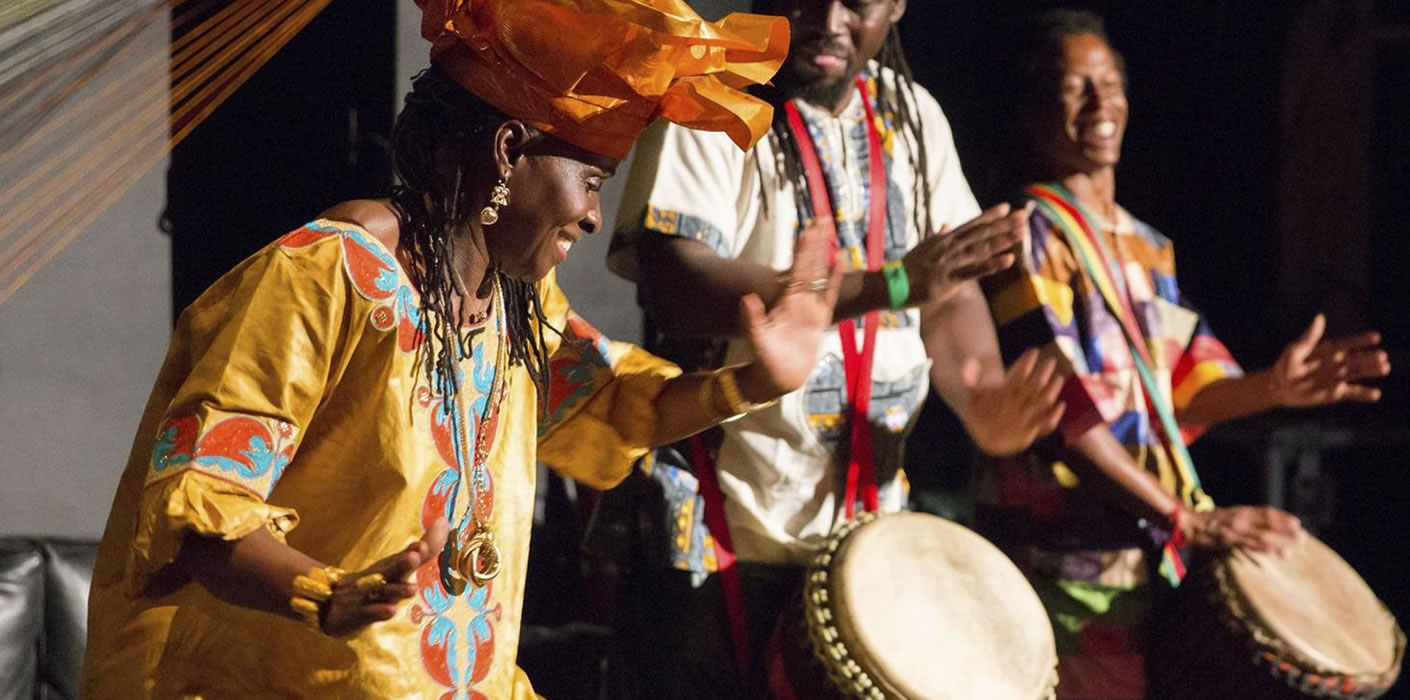

From Nigeria’s energetic street festivals to Kenya’s rich cultural traditions, from Sudan’s deep-rooted community celebrations to Ghana’s colourful festivals, Africa’s celebrations reveal a continent that remembers its past, expresses its identity and continually creates new ways to come together.
A Continent That Knows How to Celebrate
Across Africa, celebration is rarely just about entertainment. It can be an expression of gratitude, a remembrance of history, a declaration of identity, a spiritual observance, a family reunion or a public demonstration of belonging.
A festival may bring together generations who live thousands of kilometres apart. A wedding can unite families, music and food traditions. A national celebration can recall the sacrifices that made independence possible. A community gathering can preserve a language, honour an ancestral connection or welcome a new season.
In Africa, these occasions transform ordinary spaces into places of shared experience. Streets become performance grounds, public squares become meeting points, traditional garments become statements of identity, and music gives rhythm to collective memory.
Yet Africa’s celebrations are not one uniform spectacle. Each country contains multiple cultural traditions, and each community has its own meanings, protocols and ways of marking important moments.
To explore how Africa celebrates is therefore to encounter the continent through four different national lenses: Nigeria, Kenya, Sudan and Ghana.
Their celebrations differ in form and history, but they share an important quality: the ability to connect people through culture, memory, creativity and community.
NIGERIA: WHEN THE STREETS BECOME A STAGE
Nigeria’s celebration culture reflects the country’s extraordinary ethnic, linguistic, religious and regional diversity. From the elaborate masquerade traditions of the southeast to Yoruba cultural festivals, northern durbar displays, riverine boat regattas and contemporary music carnivals, the country’s calendar offers many different ways of expressing collective identity.
In Lagos, celebration often spills into the public imagination through music, fashion, nightlife, film, comedy and street culture. The city has developed a reputation for high-energy entertainment, particularly during the end-of-year period, when concerts, social events, visiting diaspora communities and hospitality businesses contribute to a busy festive season.
But Nigeria’s celebratory traditions extend well beyond its largest city.
The Durbar: A Display of History and Ceremony
In parts of northern Nigeria, durbar celebrations feature mounted horsemen, ceremonial dress, traditional music and displays of horsemanship. Associated with major occasions such as Eid celebrations and other important events, durbar traditions reflect histories of emirate institutions, leadership, craftsmanship and public ceremony.
The spectacle of decorated horses and coordinated processions attracts attention, but its deeper significance lies in the historical and cultural institutions it represents.
For visitors, a durbar can offer an opportunity to learn about northern Nigerian heritage, provided the experience is approached with respect for local protocols and the religious or ceremonial context of the occasion.
The New Yam Festival: Gratitude and Renewal
Among several Igbo communities, the New Yam Festival marks the arrival of a new yam harvest and expresses gratitude for agricultural abundance. Its observance varies between communities, with local traditions shaping the timing, ceremonies, food and wider programme.
Yam is more than a food crop in these settings. It can carry social, economic and cultural significance, linking farming, family, status and community identity.
The festival provides a window into the relationship between agriculture and culture, while reminding contemporary audiences that food traditions are often rooted in histories of labour, land and collective responsibility.
Contemporary Nigeria: Celebration as an Industry
Nigeria’s modern entertainment economy has expanded the meaning of celebration. Music festivals, film premieres, fashion showcases, comedy events, art exhibitions and live performances bring together creators, audiences, sponsors, hospitality operators and tourism businesses.
These events can generate demand for accommodation, transport, food services, event production, security, photography and digital media.
However, the commercial value of celebrations depends on more than crowd size. Safety planning, crowd management, transport access, sanitation, ticketing transparency and respect for surrounding communities are essential to making large events successful.
Nigeria demonstrates how inherited traditions and contemporary creativity can coexist. The opportunity is to ensure that both are documented, supported and presented with cultural depth.
KENYA: CELEBRATING COMMUNITY, IDENTITY AND PLACE
Kenya’s cultural life reflects the diversity of its communities and landscapes, from the Indian Ocean coast to the Great Rift Valley and the highlands. Its celebrations range from community ceremonies and national observances to music festivals, cultural gatherings and contemporary arts events.
For travellers, Kenya offers a reminder that cultural experiences can be closely connected to place. Coastal traditions, pastoral histories, urban creativity and rural community life each reveal different dimensions of the country.
Lamu: Heritage Along the Indian Ocean
On Kenya’s coast, Lamu’s cultural landscape reflects centuries of interaction across the Indian Ocean. Swahili heritage, Islamic traditions, architecture, craftsmanship, poetry and maritime history have shaped the town’s distinctive identity.
The annual Maulidi celebrations in Lamu bring religious devotion and cultural gatherings together, while the Lamu Cultural Festival has showcased elements of local heritage, including traditional crafts, music and other cultural activities. Programmes and dates can vary, so visitors should confirm arrangements before travelling.
Lamu’s value is not simply that it offers an attractive historic setting. It is a living community whose identity has developed through generations of trade, faith, adaptation and cultural exchange.
Visitors can contribute positively by using local guides, supporting responsible accommodation and craft businesses, dressing appropriately in religious and community settings, and respecting residents’ everyday lives.
The Maasai Cultural Experience: Beyond the Photograph
Maasai communities are among Kenya’s most internationally recognised cultural identities, often associated with distinctive dress, beadwork, ceremonies and pastoral traditions.
Yet no community should be reduced to a handful of visual symbols. Maasai people live varied contemporary lives, and their experiences differ according to location, livelihoods, education, individual choices and changing economic conditions.
Responsible cultural tourism should therefore be developed with community participation. Visitors should seek experiences led or approved by local hosts, ask before photographing people, and understand that ceremonies and cultural knowledge may have boundaries.
The strongest cultural encounters move beyond staged observation towards informed exchange, allowing communities to explain their own histories and contemporary realities.
Nairobi: A Modern Cultural Capital
Kenya’s capital adds another dimension to the national celebration landscape. Nairobi’s music, food, fashion, theatre, visual arts and creative entrepreneurship reflect the energy of a city connected to both regional and international networks.
Its contemporary cultural life challenges the narrow idea that African celebrations must always be traditional or rural. Urban culture is also heritage in the making, documenting how younger generations reinterpret identity through new sounds, styles, technologies and forms of expression.
Kenya’s experience illustrates the importance of recognising both cultural continuity and change.
SUDAN: CELEBRATION, MEMORY AND THE STRENGTH OF COMMUNITY
Sudan’s cultural history encompasses diverse peoples, languages, regional identities and traditions shaped by African, Arab, Islamic, Nubian and other historical connections. Its celebrations have long included religious observances, family gatherings, marriage traditions, music, poetry, food and communal hospitality.
To discuss Sudanese celebration is also to recognise the extraordinary pressures many communities have faced in recent years. Conflict and displacement have disrupted everyday life, separated families and placed cultural institutions, historic sites and livelihoods under serious strain.
Sudan’s cultural identity must not be defined by conflict alone. At the same time, any responsible account of its celebrations must acknowledge the circumstances in which many Sudanese people are living.
Eid: Faith, Family and Generosity
For many Sudanese Muslims, Eid celebrations are important occasions for prayer, family visits, shared meals, new clothes and acts of generosity. The precise customs vary by family and locality, but the wider themes of faith, gratitude, reconciliation and community are significant.
Food often plays an important role in bringing relatives and neighbours together. Hospitality is expressed through the preparation and sharing of meals, while children and extended families help make the occasion a time of reunion.
These everyday practices demonstrate that celebration is not always dependent on elaborate public events. It can also be found in the ordinary acts through which people maintain relationships and preserve a sense of belonging.
Weddings and Family Gatherings
Sudanese weddings have traditionally brought families and wider social networks together through ceremonies, music, dress, food and communal participation. Practices vary across Sudan’s regions and communities, reflecting different cultural traditions and family preferences.
Beyond the public celebration, weddings can reinforce kinship networks and provide occasions for the transmission of songs, customs, family histories and social expectations.
Conflict and displacement have made such gatherings more difficult for many families. Nevertheless, Sudanese communities at home and across the diaspora continue to find ways to sustain connections, celebrate milestones and preserve cultural memories.
Cultural Resilience in Difficult Times
Sudan’s artists, writers, musicians, community organisers and diaspora networks have important roles in documenting cultural life and sustaining connections across distance.
Digital archives, oral histories, community storytelling and cultural initiatives can help preserve knowledge that might otherwise be lost through displacement or the destruction of cultural spaces. Such efforts should be led by people with appropriate knowledge and consent, particularly when material is sensitive or connected to personal loss.
For travellers and international audiences, Sudan’s cultural heritage deserves attention beyond headlines. However, cultural interest must never be used to encourage unsafe travel. Current security conditions, official advisories and access restrictions must be checked carefully, and travel should not be promoted where conditions make it unsafe.
Sudan reminds us that celebration can be both an expression of joy and an act of cultural continuity.
GHANA: COLOUR, RHYTHM AND THE POWER OF TRADITION
Ghana’s celebration calendar is rich with festivals that connect communities to history, agriculture, leadership, spirituality and social identity. These occasions vary widely, reflecting the country’s many ethnic groups and local traditions.
From coastal towns to forest communities and northern settlements, festivals can include processions, drumming, dancing, storytelling, traditional regalia and communal gatherings.
They are also increasingly connected to tourism, diaspora engagement, creative enterprise and national cultural promotion.
Homowo: Remembering Through Celebration
The Ga people of the Greater Accra area celebrate Homowo, a festival associated with historical remembrance, resilience and the harvest. The name is commonly interpreted in relation to deriding hunger, recalling a time of hardship and the eventual arrival of abundance.
The festival includes traditional observances and communal practices, with the preparation and sharing of kpokpoi or kpekple—a traditional food made from maize—forming an important part of the celebration.
Homowo’s meaning reaches beyond the festival period. It connects community memory with food, history and the responsibility to preserve inherited traditions.
Because observances are guided by local customs and traditional authorities, visitors should learn about appropriate conduct and follow the guidance of hosts.
Akwasidae: Honouring Asante Heritage
Akwasidae is observed within the Asante traditional calendar and is associated with the honouring of ancestors and the continuity of Asante cultural institutions. It can involve traditional court ceremonies, regalia, drumming and public gatherings connected to the Asantehene and the Asante royal tradition.
For observers, the occasion offers insight into the role of traditional authority, history and ceremonial practice in contemporary Ghanaian life.
Such traditions should not be treated merely as performances for visitors. They have meanings and protocols that deserve respect, and access to particular ceremonies may be restricted or governed by local rules.
Beyond Traditional Festivals: Ghana’s Contemporary Cultural Scene
Ghana’s contemporary celebration economy also includes music events, fashion shows, film, food festivals, art exhibitions and the seasonal return of diaspora visitors.
The December period has become particularly prominent in Ghana’s tourism and entertainment calendar, with events in Accra and other destinations attracting visitors from within the country and abroad. The scale, dates and programme of individual events change from year to year and should be verified before publication.
These gatherings can support hotels, restaurants, transport providers, artists, event planners, retailers and other businesses. They can also create opportunities for diaspora visitors to reconnect with family histories and explore Ghana’s cultural and contemporary life.
Ghana’s experience demonstrates how cultural heritage can sit alongside modern creative industries without either having to disappear.
FOUR COUNTRIES, A SHARED CONTINENTAL OPPORTUNITY
Nigeria, Kenya, Sudan and Ghana illustrate different ways in which celebration shapes African life.
Nigeria demonstrates the energy created when traditional festivals meet a major entertainment economy. Kenya reveals the close relationship between cultural identity, place and contemporary creativity. Sudan highlights the importance of family, faith and cultural resilience during periods of profound disruption. Ghana shows how festivals can connect heritage, community memory and modern cultural enterprise.
These experiences should not be treated as representative of every person in each country, much less of Africa as a whole. Each country contains multiple traditions, and individual communities may celebrate in very different ways.
Yet several shared themes emerge.
Celebrations preserve collective memory. They give artists and cultural practitioners opportunities to share their work. They bring families and communities together. They create demand for food, transport, accommodation, crafts and event services. They can also help younger generations engage with histories that might otherwise become distant.
When well managed, festivals and cultural gatherings can support local enterprise while strengthening a destination’s identity. When poorly managed, they can generate waste, congestion, unsafe conditions or commercial exploitation.
The difference lies in planning, participation and respect.
THE BUSINESS OF CELEBRATION
The economic value of cultural celebration extends far beyond ticket sales.
A festival can create work for sound engineers, performers, caterers, costume makers, photographers, graphic designers, security teams, transport operators, accommodation providers and digital content creators. It can generate demand for local food and crafts while introducing visitors to surrounding attractions.
For governments and tourism organisations, cultural events can help diversify destination offerings beyond wildlife tourism, beaches and conventional sightseeing.
For private businesses, partnerships with cultural institutions and community organisers can create new products, sponsorship opportunities and visitor experiences. Hotels can offer event packages, restaurants can develop festival menus, tour operators can provide heritage routes, and media companies can produce documentaries and digital coverage.
But the economic model must be fair. Cultural practitioners should receive appropriate compensation, communities should have a voice in how their traditions are presented, and public safety must take priority over commercial pressure.
The strongest festival economies do not extract value from culture alone. They invest in the people who sustain it.
A NOTE ON RESPONSIBLE CELEBRATION
For visitors hoping to experience African festivals, preparation matters.
- Learn before you go. Understand the history, meaning and protocols of the event.
- Respect local authority and religious practice. Some activities are public; others may be private or restricted.
- Ask before photographing. Permission matters, particularly during religious ceremonies and sensitive cultural moments.
- Support local businesses. Choose credible guides, locally owned accommodation and legitimate craftspeople where possible.
- Plan for safety. Confirm dates, transport, crowd arrangements, entry requirements and current local conditions.
- Protect the environment. Reduce waste, respect heritage sites and follow event guidance.
- Recognise contemporary life. Communities are not museum exhibits; their members have varied identities, ambitions and everyday responsibilities.
In Sudan and any other location affected by insecurity, current travel advice must take precedence over cultural interest. An event’s historical importance does not make travel safe.
WHEN THE CELEBRATION ENDS, THE STORY CONTINUES
The most memorable celebrations are not always the largest. Sometimes they are the ones that leave visitors with a better understanding of the people who welcomed them.
A drumbeat can carry a history. A shared meal can preserve a family tradition. A procession can express a community’s sense of belonging. A festival can create a meeting point between generations, while a contemporary music event can reveal a culture continuing to reinvent itself.
Across Africa, celebration is both inheritance and creation. It honours what came before while making room for new expressions of identity, enterprise and belonging.
For travellers, the invitation is to look beyond the spectacle and understand the story. For communities, the opportunity is to sustain their traditions on their own terms. For the tourism and creative industries, the responsibility is to ensure that the benefits of celebration reach the people who make it possible.
Africa’s celebrations are not simply events to attend. They are living expressions of a continent in motion.

VOAM EXPERIENCE AFRICA | THE TAKEAWAY
From Nigeria’s cultural and entertainment energy to Kenya’s heritage-rich celebrations, from Sudan’s community resilience to Ghana’s festival traditions, African celebrations bring history, identity, creativity and enterprise into the same space.
Their greatest value lies not only in the spectacle they offer, but in the stories they preserve and the connections they create.
VOAM QUESTION
Which African celebration has shaped your understanding of the continent, and what story do you believe the world should know about it?