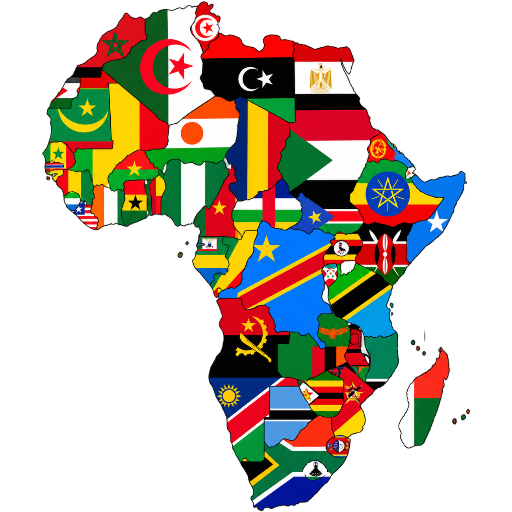

















Africa has never lacked sporting talent. Across its cities, villages, schools, communities and training grounds, generations of athletes have demonstrated extraordinary speed, strength, endurance, creativity and competitive spirit.
From the distance runners of East Africa to the football stars of West Africa, from the basketball courts of the continent to the boxing rings, swimming pools, athletics tracks and international sporting arenas, African athletes continue to challenge expectations and redefine what is possible.
Their achievements are not isolated moments of individual brilliance. They are part of a larger story about ambition, discipline, identity, resilience and the desire to compete at the highest level.
An athlete who rises from a modest community training ground to an international championship carries more than personal ambition. That journey can inspire young people, attract attention to local sporting communities and demonstrate the enormous potential of African sports.
Yet behind every medal, trophy and record is a deeper question: how can Africa transform its sporting talent into a sustainable system that consistently develops champions?
The continent has the people, passion and competitive spirit. The next challenge is building the structures that allow talent to grow, compete and succeed.
A Continent of Sporting Excellence
Africa’s sporting identity is broad and diverse.
Football remains one of the continent’s most popular sports, commanding passionate support across national leagues, international competitions and community clubs.
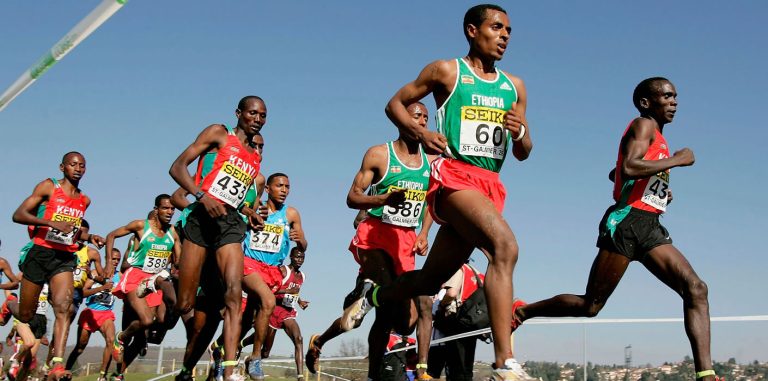
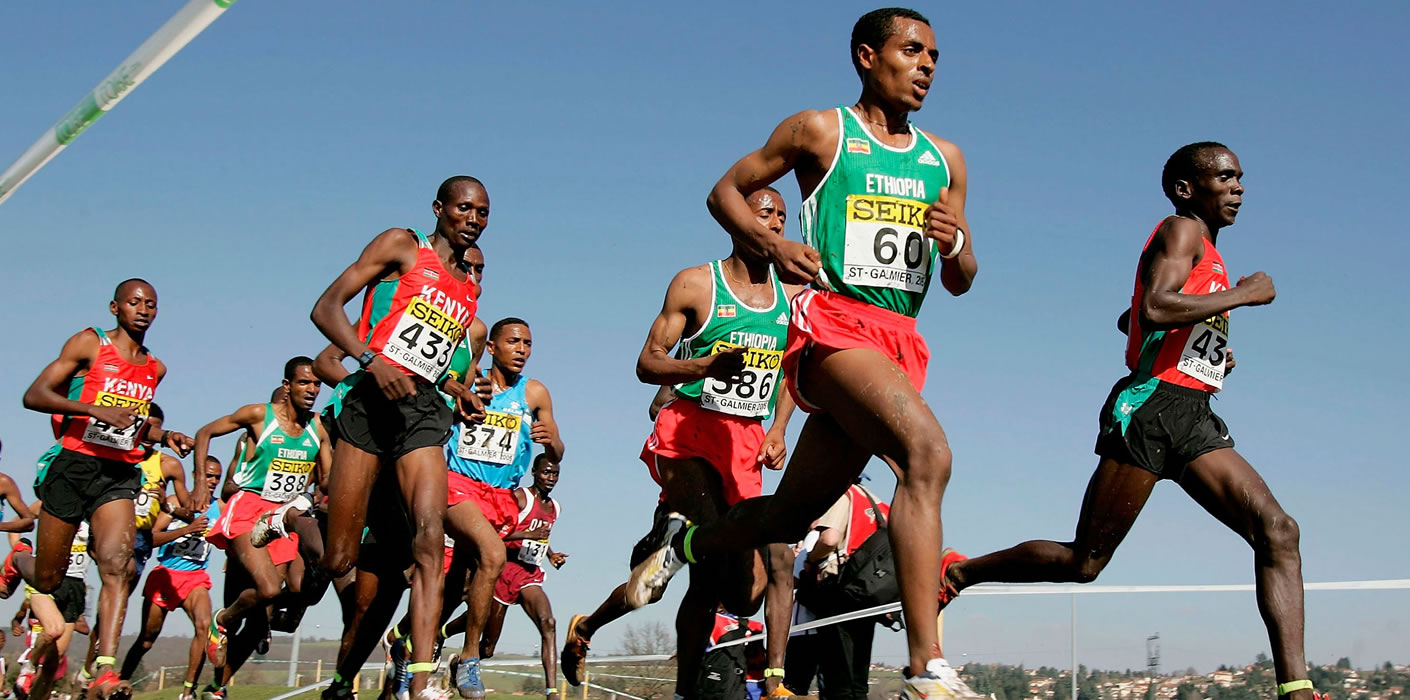
Athletics has also established a powerful African presence, particularly in long-distance running. Kenya and Ethiopia have produced generations of outstanding distance runners, while Uganda, Morocco, Algeria, South Africa and other countries have developed athletes who have competed successfully across different track and field disciplines.
Nigeria has a strong history in sprinting, football, athletics, basketball and other sports. South Africa has built a prominent international presence in rugby, cricket, swimming, athletics and football. Egypt has a distinguished football tradition and a strong regional presence in several other sporting disciplines.
Across North, West, East, Central and Southern Africa, athletes are developing in boxing, wrestling, cycling, basketball, volleyball, handball, tennis, martial arts, swimming and para-sports.
The continent’s sporting strength cannot be reduced to a handful of countries or famous personalities. Every region has athletes, coaches and sporting communities contributing to a wider African sporting story.
The challenge is to create systems that identify and support talent regardless of geography or economic background.
The Footballers Carrying Africa’s Flag
Football has given African athletes some of the continent’s most visible international platforms.
Players from Africa have become important figures in leading football leagues and competitions across Europe, Asia, the Middle East and other regions.
Their performances have helped reshape international perceptions of African football, demonstrating technical ability, tactical intelligence, athleticism and competitive maturity.
The continent has produced celebrated players across generations, including George Weah of Liberia, Samuel Eto’o of Cameroon, Didier Drogba of Côte d’Ivoire, Jay-Jay Okocha of Nigeria, Yaya Touré of Côte d’Ivoire, Mohamed Salah of Egypt and Sadio Mané of Senegal.
Each represents a different footballing journey and a different national sporting tradition.
Today’s generation continues that story through players competing at major clubs and international tournaments. Their visibility creates opportunities for younger athletes, strengthens the global profile of African football and attracts commercial attention to the continent’s sporting markets.
However, African football must not be measured only by the number of players succeeding abroad.
Strong domestic leagues, well-managed clubs, quality coaching, competitive youth competitions and reliable football institutions are equally important.
Africa needs an environment where talented players can develop professionally at home, build sustainable careers and compete in systems that reward performance and protect their interests.
The Distance Runners Who Refuse to Stop
Few sporting disciplines have created a stronger association with particular African countries than long-distance running.
Kenya and Ethiopia have produced some of the most celebrated distance runners in modern athletics. Their success has inspired generations of competitors and created a global reputation for endurance excellence.
Uganda has also developed notable distance-running champions, while athletes from other African countries continue to compete across middle-distance and long-distance events.
The stories behind these achievements are varied. Training environments, coaching traditions, altitude, community support, individual discipline and access to competitive opportunities can all influence athletic development.
It would be simplistic, however, to attribute success to geography alone. Champions are developed through years of preparation, professional coaching, nutrition, recovery, competition and personal commitment.
African distance running also illustrates the commercial possibilities of sport.
Major road races, marathons and athletics events attract international participants, tourism, sponsors and media attention. They can create economic activity for hotels, transport operators, local businesses and event professionals.
When properly organised, these competitions can become valuable sporting and tourism assets.
Beyond Football and Athletics
Africa’s sporting achievements extend far beyond its most visible disciplines.
Basketball has grown in profile through national teams, professional leagues, international competitions and youth development programmes.
The Basketball Africa League has created an important platform for club competition and the wider development of professional basketball across the continent.
Boxing has a long history in several African countries, producing athletes who have competed at Olympic and professional levels.
South Africa has a distinguished boxing tradition, while Nigeria, Ghana, Morocco and other countries have developed competitive boxing communities.
Swimming has also produced notable African champions. South Africa, Tunisia and other countries have had athletes achieve international success, demonstrating the importance of investment in aquatic sports and specialist training facilities.
Cycling continues to develop through national competitions, community clubs and international events. The Tour du Rwanda, for example, has become a recognised fixture on the international cycling calendar and an important platform for the country’s sporting profile.
Wrestling is deeply rooted in several African cultures, including traditional forms with significant community importance in parts of West Africa. Modern competitive wrestling has also produced international champions.
These disciplines deserve greater visibility, investment and institutional support.
A continent with such a wide range of sporting talent should not allow its sporting identity to be defined by only one or two games.
The Women Changing African Sport
Women athletes are among the most powerful representatives of African sporting excellence.
Across the continent, female competitors are achieving success in athletics, football, basketball, boxing, wrestling, swimming, weightlifting and other disciplines.
Their accomplishments challenge traditional barriers and create new possibilities for girls who aspire to participate in sport.
Nigeria’s women’s football teams have played an important role in African football history. The country’s basketball and athletics programmes have also produced internationally recognised female athletes.
South Africa’s Caster Semenya became a prominent figure in middle-distance athletics, while Ethiopia and Kenya have produced celebrated female distance runners. Morocco, Tunisia, Côte d’Ivoire and other countries have also contributed notable female competitors across different sporting disciplines.
But talent alone does not remove the barriers women face.
Many female athletes encounter limited sponsorship, unequal access to facilities, inadequate competition structures, weak media coverage and insufficient institutional support.
Some also face social expectations that discourage participation or make it difficult to balance sporting careers with education and family responsibilities.
Women’s sport needs sustained investment, not occasional recognition when an athlete wins a major competition.
This means better coaching opportunities, safe training environments, medical support, professional leagues, scholarships, sponsorship arrangements and stronger representation in sports administration.
When girls have access to sport, the benefits extend beyond competition. Sport can strengthen confidence, teamwork, discipline, leadership and community participation.
The Champions We Do Not Always See
Not every African sporting success happens in front of international cameras.
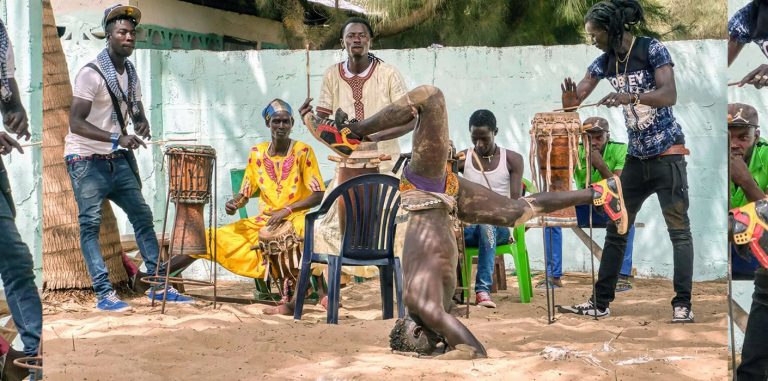
Across the continent, young athletes train in community fields, school grounds, local gyms, neighbourhood courts and modest sports facilities.
Some are discovered through school competitions. Others emerge from community clubs or regional tournaments. Many train for years without receiving significant financial or institutional support.
Their stories rarely become international headlines, but they represent an important part of Africa’s sporting future.
The coach who trains children after school, the teacher who organises an athletics competition, the volunteer who maintains a community football pitch and the local association that creates opportunities for young competitors all contribute to the development of champions.
Grassroots sport is where many sporting journeys begin.
Without accessible entry points, talent can remain undiscovered. Without structured development, promising athletes may abandon sport before reaching their potential.
African countries must therefore strengthen school sports, community clubs, local competitions and talent-identification programmes.
The next international champion may be training somewhere that has never appeared on a professional sporting map.
The Science Behind Sporting Success
Modern sport is increasingly driven by science, technology and professional management.
Athletic performance depends on more than natural ability. It requires structured training, nutrition, sports medicine, biomechanics, psychology, recovery and data-informed performance assessment.
Athletes need access to qualified coaches, physiotherapists, nutritionists, sports scientists and medical professionals.
Injury prevention and recovery are particularly important. An athlete who trains without adequate medical support may face avoidable injuries that shorten a career.
Nutrition also matters. Different sports require different dietary approaches, and athletes need appropriate guidance based on their training demands, health needs and competition schedules.
Technology can support performance analysis through video systems, timing equipment, fitness monitoring and training data.
African sports institutions must invest in these professional services if they want athletes to compete consistently at the highest levels.
Talent may create an opportunity, but professional preparation helps sustain performance.
The Role of Schools, Clubs and Academies
A strong sporting system begins with a clear pathway from participation to professional competition.
Schools provide an important entry point by introducing children to different sports and identifying emerging ability.
Community clubs create opportunities for regular training, teamwork and local competition.
Sports academies can offer more specialised coaching and development, provided they operate with appropriate standards, safeguarding and educational support.
National associations and federations must coordinate competitions, establish development frameworks and create opportunities for athletes to progress.
Universities and other educational institutions can also play an important role through scholarships, sports science programmes and competitive teams.
These institutions should work together rather than operate as disconnected organisations.
Young athletes need pathways that allow them to pursue sporting ambitions without sacrificing education, personal development or long-term career opportunities.
A successful sporting system develops the whole person, not just the competitor.
The Business of African Sporting Talent
Sport is a global commercial industry, and Africa has significant opportunities to participate more fully in its value chain.
The economic potential extends beyond athletes and competitions.
It includes sponsorship, broadcasting, sportswear, equipment manufacturing, event management, hospitality, sports medicine, training academies, merchandising, sports technology and digital media.
A major football competition can generate opportunities for hotels, restaurants, transport companies, broadcasters, security providers, advertisers and local vendors.
An athletics event can attract international visitors, create temporary employment and showcase a city to a global audience.
Sports academies can become structured businesses offering coaching, education, competition preparation and athlete development.
African athletes also represent valuable commercial brands. Their public profiles can support sponsorship agreements, endorsements, partnerships and philanthropic initiatives.
However, the business of sport must be professionally managed.
Athletes need reliable representation, transparent contracts, financial education and protection against exploitation.
Clubs and federations require strong governance and financial accountability. Event organisers must demonstrate proper planning, safety and commercial discipline.
The objective should be to build an industry in which sporting success creates lasting value for athletes, institutions and communities.
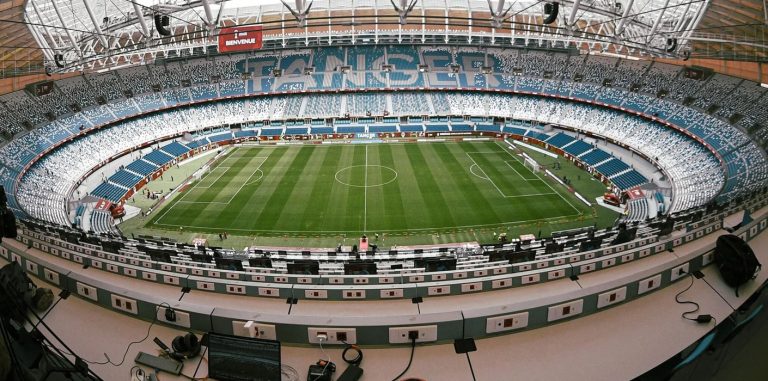
Stadiums Are Important, But They Are Not Enough
Africa needs quality sporting infrastructure, but the discussion must go beyond constructing large stadiums.
A stadium can host major competitions, but it cannot independently develop champions.
Athletes also require accessible training grounds, indoor sports facilities, swimming pools, athletics tracks, gyms, equipment stores, medical centres, rehabilitation facilities and specialist coaching environments.
Maintenance is just as important as construction.
Facilities that are poorly maintained, inadequately equipped or inaccessible to athletes can quickly lose their value.
Sporting infrastructure should be planned around actual participation and development needs.
This includes multipurpose community facilities, school sports grounds, regional training centres and specialist national centres for different disciplines.
The private sector can contribute through investment, sponsorship, facility management and partnerships with government institutions.
Public-private collaboration can be valuable when responsibilities, access arrangements, financing and performance expectations are clearly defined.
A sports facility should be more than a landmark. It should be an active environment where people train, compete, learn and build careers.
African Sport and the Power of Major Competitions
International sporting competitions provide platforms for national pride, economic activity and continental visibility.
The Africa Cup of Nations has long been one of the continent’s most important football events. It brings together national teams, supporters, sponsors, broadcasters and commercial partners.
The African Games provide a broader multi-sport platform for athletes from across the continent.
Regional competitions and international championships also create opportunities for athletes to gain experience and improve their performance.
Major events can stimulate investment in sporting facilities, transport, hospitality and event management.
They can also create opportunities for African cities to showcase their cultural attractions and tourism offerings.
However, hosting major competitions requires careful financial planning and long-term thinking.
Facilities should have clear post-event uses. Organisers must manage procurement, security, transport, accommodation and crowd safety. Investments should produce benefits that remain after the final whistle.
The greatest measure of a successful sporting event is not only the quality of the competition but also the lasting value it creates.
Protecting Athletes and the Integrity of Sport
As African sport becomes more commercially attractive, protecting athletes and maintaining sporting integrity become increasingly important.
Young competitors may be vulnerable to exploitation by unqualified agents, dishonest recruiters or organisations promising opportunities that do not exist.
Athletes need education about contracts, transfers, sponsorship arrangements and professional representation.
Sports institutions must establish effective safeguarding procedures, particularly for minors and vulnerable participants.
Anti-doping education and testing must also be supported through appropriate national and international frameworks.
Match manipulation, corruption, financial mismanagement and discrimination can undermine confidence in sporting institutions.
Good governance is therefore essential.
Federations, clubs and organisers must operate transparently, protect athletes’ welfare and apply competition rules fairly.
A successful sports industry must be built on trust as well as talent.
What Africa Must Build to Win More Consistently
The next phase of African sporting development requires deliberate investment in the foundations of excellence.
1. Strengthen grassroots participation.
Schools and communities need accessible sports programmes that allow children to discover different disciplines and develop their abilities.
2. Invest in professional coaching.
Coach education, specialist training and international knowledge exchange can improve the quality of athlete development.
3. Modernise sports infrastructure.
Countries should prioritise functional, well-maintained training facilities, equipment, medical support and rehabilitation services.
4. Expand women’s participation.
Female athletes need equal access to facilities, competitions, funding, media exposure and professional opportunities.
5. Develop sustainable domestic competitions.
Strong national and regional leagues provide athletes with regular competitive experience and create opportunities for clubs, sponsors and broadcasters.
6. Connect sport with education and technology.
Sports science, digital performance analysis, nutrition and academic support should become integral parts of athlete development.
7. Improve governance and athlete protection.
Transparent administration, safeguarding, anti-doping education and fair commercial arrangements are essential to building confidence.
8. Develop the sports economy.
African countries should encourage investment in sportswear, equipment, media, events, training academies, tourism and professional services.
The Next African Champion Is Already Preparing
Somewhere in Africa, a young athlete is preparing for a competition.
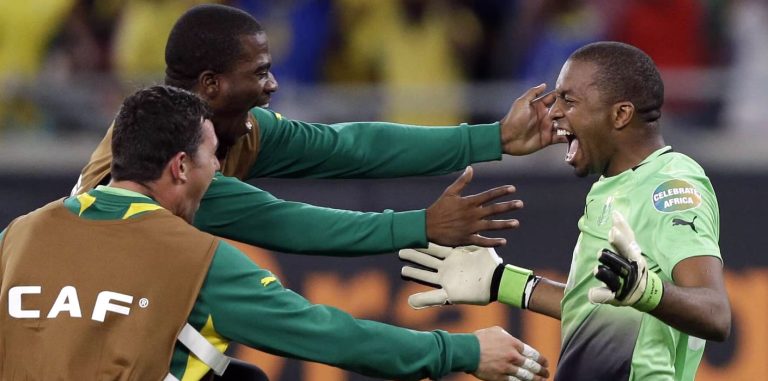
Perhaps it is a girl practising her sprint start on a school field. Perhaps it is a young goalkeeper training on a community football pitch. It may be a swimmer learning technique in a modest pool, a boxer developing discipline in a local gym or a distance runner completing another training session before sunrise.
That young person may become a national champion, an Olympic medallist, a world record holder or a professional athlete whose name will be celebrated across continents.
But talent needs opportunity.
It needs a coach who believes in it, a facility that supports it, an institution that protects it and a system that allows it to grow.
Africa’s athletes have already demonstrated that they can compete with the best in the world. The continent must now build the structures that make excellence more accessible, more consistent and more sustainable.
The future of African sport should not depend on exceptional individuals overcoming extraordinary obstacles alone.
It should be built on strong institutions, professional development, inclusive participation and investment that reaches the grassroots.
Because champions are not simply born. They are discovered, supported, trained and given the opportunity to rise.
And Africa has no shortage of people ready to compete.
VOAM SPORT AFRICA | THE TAKEAWAY
African athletes continue to demonstrate world-class ability across football, athletics, basketball, boxing, swimming, wrestling and many other disciplines. However, long-term sporting success requires more than individual talent.
Africa must invest in grassroots development, professional coaching, sports science, quality facilities, women’s sport, domestic competitions and responsible sports governance.
The objective is to build a sporting ecosystem where talent can be discovered, developed, protected and converted into sustainable careers and economic opportunities.
VOAM QUESTION
If Africa already has the talent to compete with the world, what is the single most important investment needed to produce more champions and sustain sporting excellence across the continent?


Comments (2)
Matt Rosnor December 10, 2025
Nerio News Magazine brings you trusted timely and thought-provoking stories from around the globe. From breaking headlines to in-depth analysis we deliver
Matt Rosnor December 10, 2025
Residents in the surrounding area reported heightened activity as police units and forensic teams worked throughout the day