




















A football match may last ninety minutes, a basketball game may be decided in the final seconds, and an athletics competition may be settled by a fraction of a second. But the business of sport continues long after the final whistle.
Behind every major sporting event is an economic ecosystem involving athletes, clubs, sponsors, broadcasters, advertisers, facility operators, hospitality businesses, equipment manufacturers, event organisers, transport companies and thousands of workers whose contributions make competition possible.
Sport is no longer simply an activity of physical performance and entertainment. It is a global industry, a commercial platform, a tourism attraction, a source of employment and an instrument of national identity.
Africa possesses enormous sporting enthusiasm and a growing population of athletes, supporters and consumers. Yet much of the continent’s commercial sporting potential remains underdeveloped.
The question is not whether Africa has an audience for sport. It clearly does. The more important question is whether African countries can build the businesses, institutions, infrastructure and investment structures needed to turn that passion into sustainable economic value.
The opportunity goes far beyond winning trophies. It is about building an industry.
Sport Is More Than Competition
For millions of Africans, sport is part of everyday life.
Football conversations take place in offices, markets, schools, homes and public spaces. Communities organise local tournaments. Families gather around television screens to follow international competitions. Young people identify with athletes and clubs whose performances inspire their ambitions.
This emotional connection creates a powerful commercial foundation.
Where there is an engaged audience, there are opportunities for broadcasting, sponsorship, merchandise, hospitality, advertising, ticket sales and digital content.
A major football match, for example, creates activity across several industries. Broadcasters acquire rights and sell advertising. Sponsors seek visibility. Restaurants and bars attract customers. Transport operators move supporters. Retailers sell merchandise. Event organisers provide security, ticketing and logistics.
Sport therefore has a multiplier effect. Its economic value extends beyond the players and the competition itself.
The challenge for Africa is to develop systems that allow more of this value to be generated, retained and reinvested within African economies.
The Business of Football
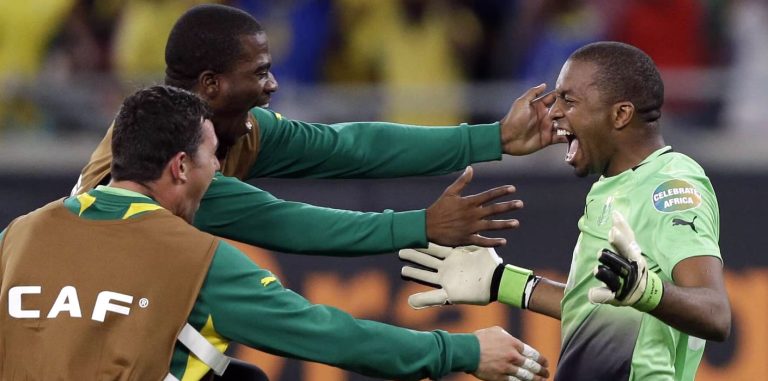
Football remains one of Africa’s most commercially visible sports.
National leagues, continental competitions, club tournaments and international matches attract substantial public interest. The continent also supplies talented players to major football markets around the world.
However, commercial success requires more than a large supporter base.
Football clubs must operate as professionally managed organisations with clear financial structures, reliable administration, effective marketing, youth development systems and strong relationships with supporters.
Revenue can come from several sources:
- Matchday ticket sales and hospitality packages.
- Sponsorships and commercial partnerships.
- Broadcasting and media rights.
- Merchandise and licensed products.
- Player transfers and development arrangements.
- Stadium advertising and naming rights.
- Membership programmes and supporter services.
- Football academies and training operations.
For many African clubs, the challenge is developing reliable income beyond occasional sponsorship or financial support from owners and government institutions.
A club that depends almost entirely on one source of funding may struggle when that support changes.
Professional football management requires financial planning, accountability, commercial creativity and long-term investment.
Domestic leagues also need stronger competition structures, better scheduling, improved officiating, reliable venues and consistent broadcasting arrangements.
Africa’s football economy will become stronger when its clubs are not only competitive on the pitch but commercially sustainable off it.
Broadcasting: The Power of the Sporting Audience
Sporting content has become one of the most valuable forms of media entertainment.
Live matches, sports documentaries, athlete interviews, analysis programmes, behind-the-scenes reports and fan discussions attract audiences across television, radio and digital platforms.
Broadcasting rights can provide important revenue for leagues and competitions. Sponsors value the opportunity to reach audiences through live coverage, advertising and branded programming.
Digital media has expanded these opportunities.
Clubs, athletes, leagues and sports organisations can now build their own audiences through websites, social media channels, streaming platforms, podcasts and mobile applications.
This creates opportunities for African media companies to develop sports content that reflects local interests and regional sporting identities.
A strong sports media business can produce:
- Live and recorded sports coverage.
- Match analysis and commentary.
- Athlete profiles and interviews.
- Sports documentaries.
- Club and federation news.
- Youth and grassroots sports programming.
- Sports business and investment reports.
- Fan-focused digital entertainment.
However, broadcasting rights must be properly negotiated. Media organisations need to respect contractual arrangements, competition rights and intellectual property protections.
The opportunity is to develop more African-owned sports content businesses capable of serving audiences at home and abroad.
Sponsorship: Connecting Brands to Passion
Sport provides brands with an opportunity to connect with audiences through shared emotion, identity and loyalty.
A company sponsoring a football club, athletics competition, basketball league or sporting event is not simply purchasing advertising space. It is associating its brand with a community, a performance culture and a set of values.
Banks, telecommunications companies, beverage manufacturers, airlines, consumer brands, insurance providers and technology businesses can all find opportunities within sport.
Sponsorship can support:
- Team development and competition costs.
- Youth academies and grassroots programmes.
- Sporting equipment and training facilities.
- Athlete scholarships and development.
- Tournament organisation.
- Women’s sports initiatives.
- Community health and fitness programmes.
For sponsorship to be sustainable, organisations must demonstrate value to their partners.
This requires audience data, clear branding opportunities, professional reporting, credible event delivery and measurable outcomes.
African sports organisations should move beyond informal sponsorship requests towards structured commercial proposals that show businesses what they are supporting and what value the partnership can generate.
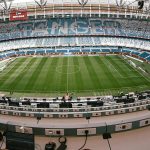
Stadiums as Commercial Destinations
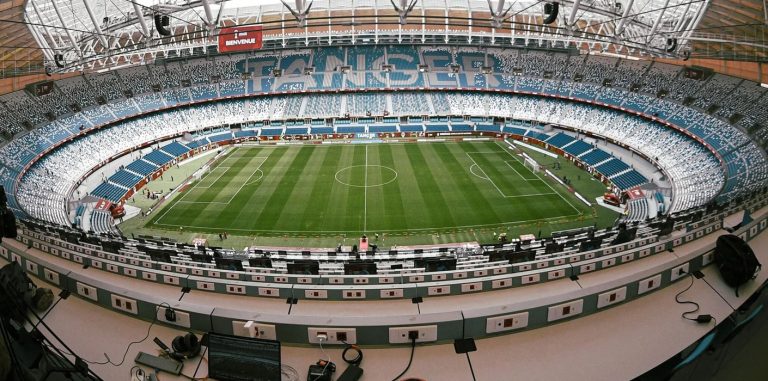
A modern sports stadium should be more than a venue used only on matchdays.
When properly planned and managed, it can become a multipurpose commercial destination.
Its facilities may include restaurants, bars, sports lounges, retail outlets, fitness centres, conference spaces, hospitality suites, event halls and entertainment venues.
These businesses can generate income even when no major competition is taking place.
The wider facility can also host concerts, exhibitions, corporate events, fitness programmes, community activities and cultural celebrations.
This model requires professional facility management and careful planning.
Different commercial activities must operate within appropriate safety, security, licensing and operational arrangements. Parking, access control, sanitation, electricity, maintenance and customer service must be reliable.
The economic potential of a sports venue depends not only on its size or architectural design but also on how effectively it is programmed and managed.
For African cities, this offers an opportunity to transform underutilised sporting infrastructure into active economic assets.
A stadium that hosts football on Saturday, a concert on Sunday, a corporate event during the week and community fitness activities throughout the month has a much stronger commercial proposition than one that remains inactive between major competitions.
Sports Tourism: When Competition Becomes a Travel Experience
Sport can attract visitors, stimulate hospitality businesses and promote destinations.
International competitions bring athletes, coaches, officials, journalists, supporters and sponsors into host cities.
Their presence creates demand for accommodation, restaurants, transport, shopping, entertainment and tourism services.
Major sporting events can also introduce destinations to international audiences who may later return for leisure, business or cultural tourism.
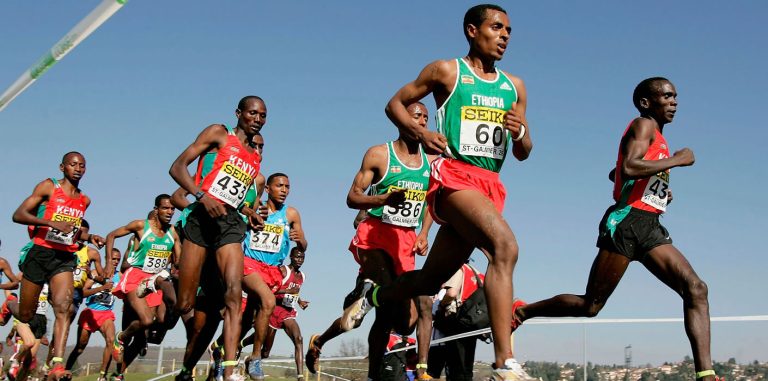
Across Africa, opportunities exist in football tournaments, marathons, cycling competitions, golf events, motorsport, water sports, athletics meetings and other sporting experiences.
The Tour du Rwanda, for example, has helped position cycling as part of the country’s international sporting and tourism profile. Major marathons and road races in different African cities can also attract international participants and visitors.
However, sports tourism requires coordinated planning.
Event organisers, tourism authorities, hotels, airlines, transport operators and local businesses must work together to deliver a complete visitor experience.
A successful event is not simply one in which the competition runs smoothly. It is one in which visitors feel welcomed, facilities operate effectively and the host community benefits from the economic activity.
The Fitness and Wellness Economy
Not everyone participates in sport to become a professional athlete.
Across African cities and communities, growing interest in fitness, recreation and wellness is creating opportunities for a wider sporting economy.
Gyms, swimming pools, aerobics centres, fitness studios, sports clubs, recreational parks and organised exercise programmes serve people who want to improve their health, socialise and maintain active lifestyles.
These businesses can offer different membership arrangements, training programmes and recreational experiences.
Corporate fitness programmes can connect employers with wellness providers. Community clubs can organise weekly exercise activities. Hotels and leisure facilities can integrate fitness, swimming and recreation into their hospitality offerings.
There are also opportunities in sports nutrition, fitness technology, equipment sales, personal training, physiotherapy and wellness tourism.
The fitness economy should be built around qualified instruction, safe facilities, appropriate equipment and responsible health communication.
It is important to distinguish professional sports performance from general fitness services, while recognising that both contribute to a healthier and more active society.
The Rise of Sports Entrepreneurship
One of the most exciting developments in African sport is the emergence of businesses that serve the sporting ecosystem without necessarily owning a team or organising a major tournament.
Sports entrepreneurs are finding opportunities in:
Sports technology: Digital platforms for athlete registration, competition management, performance tracking and fan engagement.
Equipment and apparel: Locally designed sportswear, training equipment, uniforms and accessories.
Athlete management: Professional representation, career planning, sponsorship negotiation and commercial advisory services.
Sports education: Coaching academies, referee development, training programmes and sports management courses.
Event production: Tournament planning, ticketing, venue operations, broadcasting, security and logistics.
Sports media: Digital publications, photography, video production, podcasts and athlete storytelling.
Recreation and fitness: Community clubs, gyms, swimming facilities, organised walks and fitness experiences.
These businesses can serve local communities while developing products and services for wider African markets.
They also create employment for people whose skills are not limited to athletic performance.
Sport needs accountants, lawyers, marketers, engineers, designers, media professionals, administrators, event managers and technology specialists.
The sporting industry is therefore a potential career destination for a much wider range of African talent.
Women’s Sport: An Untapped Commercial Opportunity
Women’s sport deserves greater attention as both a sporting priority and a business opportunity.
Female athletes and competitions have audiences, sponsors and commercial potential. Yet in many markets, women’s sports receive less investment, media coverage and institutional support than men’s competitions.
This creates an opportunity for brands, broadcasters, clubs and event organisers willing to support a more inclusive sporting economy.
Investment can support women’s professional leagues, school competitions, athlete development, coaching, training facilities and media production.
Women’s sporting competitions can also create distinctive commercial identities and attract audiences through strong storytelling and community engagement.
The commercial argument should not replace the principle of equal opportunity. Rather, it should demonstrate that investment in women’s sport can deliver social and economic value while improving the overall strength of African sporting institutions.
The Role of Government and Private Investment
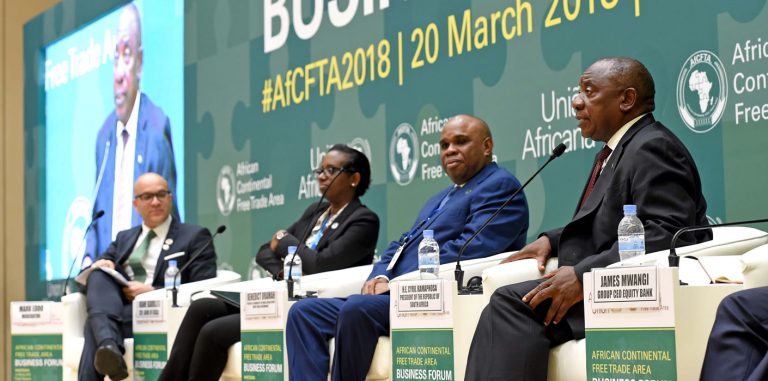
Sporting development requires collaboration between public institutions and private enterprise.
Governments have important responsibilities in providing policy direction, supporting grassroots participation, developing public sporting facilities, regulating competitions and ensuring access to safe sporting environments.
The private sector can contribute through investment, sponsorship, commercial management, equipment supply, technology, media and professional services.
Public-private partnerships may help develop stadiums, sports academies, training centres and recreational facilities.
However, such arrangements must be commercially and operationally transparent.
Responsibilities for financing, construction, maintenance, access, revenue sharing and long-term management should be clearly established.
A facility that is successfully constructed but poorly maintained may become a financial burden rather than a development asset.
Investment decisions must therefore consider the entire lifecycle of sporting infrastructure.
The strongest partnerships are those that combine public value with realistic commercial objectives.
Challenges Holding Back the African Sports Economy
Africa’s sporting potential is significant, but several structural problems continue to limit commercial development.
Inadequate infrastructure: Many athletes and sporting organisations lack access to reliable facilities, equipment and specialist training environments.
Weak financial structures: Some clubs and federations lack sustainable revenue models, transparent accounts and effective commercial management.
Limited broadcasting reach: Some competitions struggle to secure consistent media coverage, professional production and commercially viable distribution.
Unstable governance: Administrative disputes, poor accountability and weak institutional structures can discourage sponsors and investors.
Talent migration without local value retention: Athletes may develop professionally abroad while their home systems struggle to benefit from training, commercial and institutional connections.
Insufficient grassroots investment: Young athletes in many communities lack regular competitions, qualified coaching and pathways into professional sport.
Limited women’s sport investment: Female athletes and competitions often face unequal access to resources and commercial visibility.
High event costs: Security, transport, accommodation, equipment, insurance and venue expenses can make sporting events financially difficult to organise.
Addressing these challenges requires professional management, institutional reform and long-term investment rather than isolated projects.
Building a Sustainable African Sports Industry
To unlock the full economic promise of sport, Africa needs a coordinated development strategy.
1. Professionalise sports administration.
Clubs, federations and leagues should adopt stronger financial management, transparent governance, effective marketing and clear performance targets.
2. Develop commercial sporting venues.
Stadiums, arenas, swimming pools and recreational facilities should be managed as active assets with year-round programming and maintenance plans.
3. Strengthen local leagues and competitions.
Regular, well-organised competitions provide opportunities for athletes, clubs, sponsors, broadcasters and event businesses.
4. Expand sports media and broadcasting.
African media organisations should invest in quality production, digital distribution, sports journalism and rights-compliant content development.
5. Support sports entrepreneurship.
Access to finance, business training, technology and incubation can help young entrepreneurs develop services and products for the sporting industry.
6. Connect sport with tourism and hospitality.
Sports calendars should be linked with destination marketing, accommodation, transport and local entertainment.
7. Invest in women and grassroots sport.
Commercial development should create opportunities for wider participation and ensure that talent is not excluded by gender, location or economic circumstances.
8. Build professional athlete support systems.
Athletes need access to education, medical care, financial guidance, legal protection and career development.
The Promise of African Sport
Africa’s sporting future should not be measured only by the number of medals won or the number of players competing in international leagues.
It should also be measured by the strength of its clubs, the quality of its competitions, the professionalism of its sports institutions, the opportunities available to young people and the businesses created around sporting activities.
The continent can develop its own sportswear brands, media companies, fitness networks, professional leagues, event-management businesses, sports technology platforms and commercial sporting destinations.
It can also use sport to promote tourism, encourage healthy lifestyles, create jobs and strengthen relationships between communities and countries.
The opportunity is to move from being primarily a source of sporting talent and passionate audiences to becoming a stronger owner, organiser, investor and commercial participant in the global sports industry.
This transformation will require patience, professional standards and a commitment to building institutions that survive beyond individual personalities and political administrations.
The next chapter of African sport must be about more than the final score.
It must be about the businesses created, the careers developed, the communities strengthened and the economic opportunities that remain long after the competition ends.
Because when Africa invests in sport beyond the game, it invests in an industry with the power to move an entire economy.
VOAM SPORT AFRICA | THE TAKEAWAY
Sport is a major economic opportunity for Africa, extending across broadcasting, sponsorship, hospitality, tourism, fitness, technology, equipment manufacturing, event management and professional services.
To unlock this potential, African countries must strengthen sports institutions, develop commercially viable facilities, support domestic competitions, attract responsible private investment and create opportunities for entrepreneurs, athletes and communities.
The future of African sport belongs not only to those who compete but also to those who build the industry around them.
VOAM QUESTION
What would it take for Africa to move from being a global supplier of sporting talent and passionate supporters to becoming a major owner, investor and commercial powerhouse in the international sports industry?