

















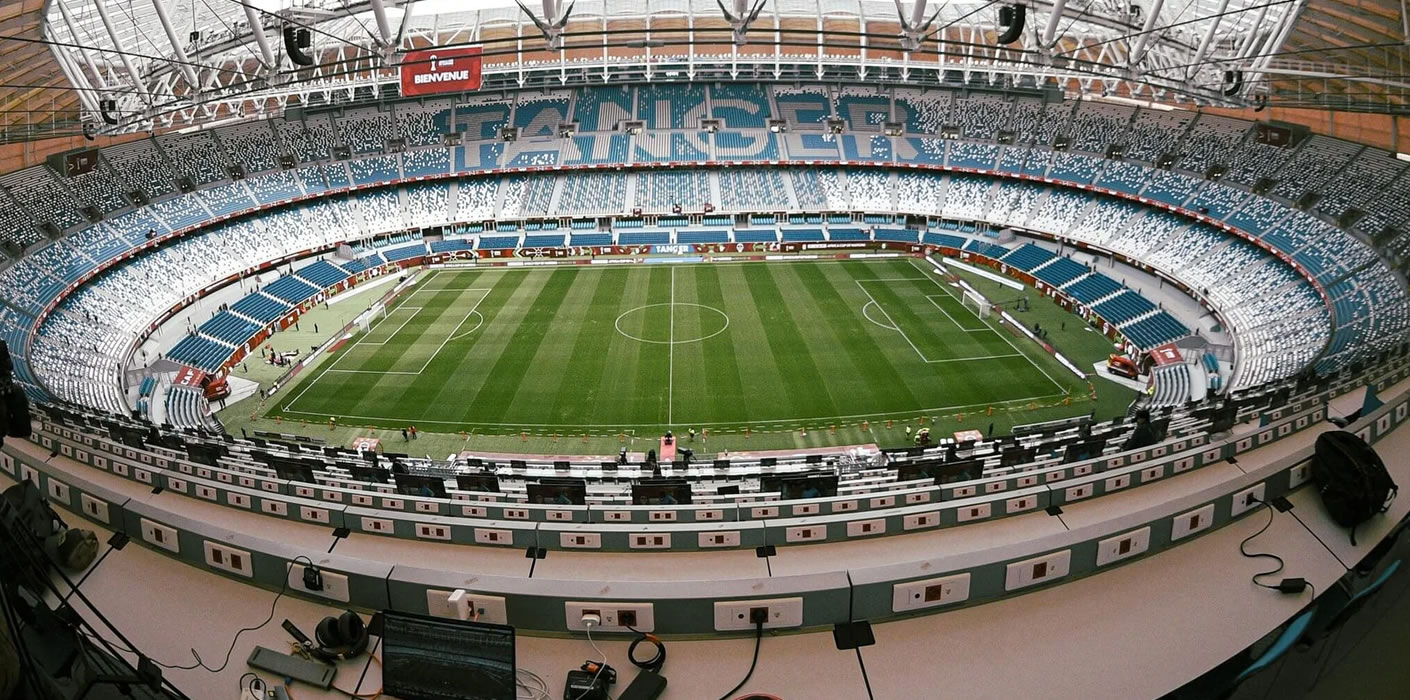

Every champion needs a place to begin.
Before the medals, trophies, records and international recognition, there is usually a training ground. A field where a young footballer learns to control the ball. A running track where an aspiring athlete develops speed and endurance. A swimming pool where a future champion learns technique. A gym where discipline becomes strength. A court where teamwork and competition begin to shape a sporting career.
Talent may be born anywhere, but excellence requires an environment in which it can develop.
Across Africa, young people demonstrate remarkable sporting ability, yet many train in facilities that are inadequate, inaccessible or poorly maintained. Some communities lack standard playing fields. Others have no functional swimming pools, athletics tracks, indoor arenas or specialist training centres. Even where facilities exist, limited equipment, unreliable utilities and insufficient maintenance can restrict their usefulness.
This is one of the continent’s most important sporting challenges.
Africa does not simply need more stadiums. It needs a connected network of sporting infrastructure that supports participation, talent identification, professional training, competition, recovery and long-term athlete development.
The objective should be clear: build environments where potential can become performance and where sporting success is supported by institutions rather than left to individual determination alone.
A Champion Needs More Than a Stadium
When countries discuss sports development, the conversation often begins with major stadium projects.
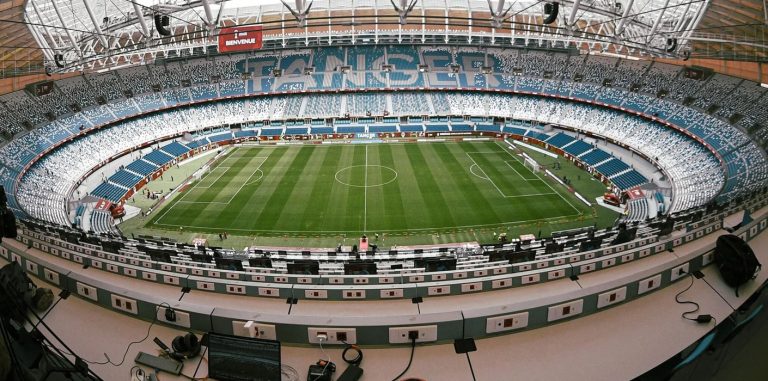
Large stadiums are important. They provide venues for football matches, athletics competitions, ceremonies and international sporting events. They can attract visitors, sponsors, broadcasters and commercial partners.
But stadiums alone do not produce champions.
An athlete preparing for a major competition needs regular access to appropriate training facilities. A footballer needs quality pitches, coaching environments and fitness equipment. A swimmer requires a properly maintained pool and access to technical instruction. A basketball player needs suitable courts and competitive opportunities.
Athletes also require medical support, nutrition, recovery facilities and qualified coaching.
A national stadium may host thousands of spectators, but the wider sporting system must support the daily development of athletes who will eventually compete there.
This means investing in facilities at several levels:
- Community and school sports facilities.
- Local and regional training centres.
- Specialist national sports centres.
- Multipurpose indoor arenas.
- Competition venues and stadiums.
- Sports medicine and rehabilitation centres.
- Recreation, fitness and aquatic facilities.
Each serves a different purpose. Together, they form the infrastructure of a functioning sporting ecosystem.
Grassroots Facilities: Where Talent Is Discovered
The foundation of sporting excellence is participation.
Children must have opportunities to discover sport before they can become professional athletes. This begins in schools, neighbourhoods and community organisations.
A well-maintained school playing field can introduce hundreds of children to football, athletics, volleyball and other activities. A community basketball court can become a gathering place for young people. A local swimming facility can teach essential water safety skills while identifying potential competitive swimmers.
Grassroots facilities do not always need to be elaborate or expensive. Their greatest value lies in accessibility, safety and consistent use.
African communities need:
Multipurpose playing fields: Spaces that support football, athletics, general physical education and recreational activities.
Community courts: Basketball, volleyball, handball and other court-based sports.
School sports grounds: Functional environments for regular physical education and organised competitions.
Community gyms: Accessible spaces for fitness, strength development and supervised exercise.
Swimming facilities: Pools that support swimming lessons, recreation, aquatic training and water safety.
Open recreational spaces: Parks and activity areas that encourage walking, exercise and community participation.
These facilities should be distributed across communities rather than concentrated only in major cities or wealthy neighbourhoods.
The next African champion should not have to overcome geographical disadvantage simply to access a suitable place to train.
The Need for Specialist Training Centres
Different sports require different environments.
An athletics training centre must provide suitable tracks, field-event areas, equipment and technical support. A swimming centre needs properly designed pools, water-treatment systems, safety equipment and trained personnel.
A boxing academy requires suitable rings, protective equipment, training bags and qualified instructors. A gymnastics centre needs specialised apparatus, appropriate flooring and safety systems.
Trying to develop every sport using one generic facility can limit athlete development.
African countries should therefore identify their sporting strengths, participation needs and development priorities before investing in specialist infrastructure.
National and regional centres can provide higher-level training environments for athletes selected through transparent development programmes.
Such centres may include:
- Specialist training and competition areas.
- Strength and conditioning gyms.
- Sports science laboratories.
- Physiotherapy and rehabilitation facilities.
- Athlete accommodation where justified.
- Nutrition and catering services.
- Coaching and educational spaces.
- Equipment storage and maintenance units.
- Administrative and technical offices.
These centres should be connected to schools, clubs, universities and national sporting associations.
A training centre should not become an isolated complex used only for ceremonies or occasional competitions. It must serve athletes regularly and demonstrate measurable development outcomes.
Swimming Infrastructure: An Opportunity Africa Must Not Ignore
Swimming deserves particular attention in Africa’s sporting development.
It is both a competitive sport and an essential life skill. Access to swimming education can contribute to water safety, recreation, fitness and professional sporting development.
Yet properly equipped and maintained swimming facilities remain inaccessible to many communities.
A functional aquatic sports complex requires more than constructing a pool.
It needs suitable water circulation and filtration systems, chemical treatment, testing equipment, changing rooms, showers, toilets, lifeguard stations, first-aid facilities and trained operational personnel.
Competition facilities may also require spectator seating, timing systems, starting blocks, lane equipment, diving facilities and appropriate accessibility arrangements.
Different pools serve different purposes.
A competition pool may support organised swimming events, while a warm-up pool provides space for preparation. A diving pool requires specialised depth and equipment. Recreational pools serve a different user experience.
The design must reflect the intended activities, safety requirements and expected level of use.
Africa’s aquatic development should also include learn-to-swim programmes, school partnerships, community access and professional lifeguard training.
Swimming facilities should be treated as valuable sporting and public recreation infrastructure, not merely luxury amenities.
Indoor Arenas and the Future of Multi-Sport Development
Not every sport depends on outdoor facilities.
Basketball, volleyball, handball, badminton, gymnastics, boxing and several other disciplines require indoor environments for regular training and competition.
Multipurpose indoor arenas can provide valuable platforms for these sports.
A well-designed arena may accommodate different court configurations, spectator seating, changing rooms, equipment stores, medical facilities and event-support spaces.
Such venues can also host concerts, exhibitions, conferences and other commercial activities when the design and operating arrangements permit.
This creates opportunities for diversified revenue, but commercial programming must not compromise sporting access or the primary purpose of the facility.
African cities should consider indoor sports infrastructure as part of broader urban development and youth participation strategies.
A functional arena can serve schools during the day, community programmes in the afternoon and organised competitions or commercial events in the evening.
Its success depends on effective scheduling, maintenance, management and affordability.
The Missing Infrastructure: Sports Science and Athlete Recovery
One of the less visible but essential parts of modern sporting infrastructure is the system that supports athlete health and performance.
Professional athletes require more than playing fields and equipment. They need access to medical assessment, injury prevention, rehabilitation, nutrition advice and psychological support.
Sports medicine centres can provide physiotherapy, injury assessment, rehabilitation programmes and appropriate medical referrals.
Strength and conditioning facilities help athletes develop physical capacity in ways suited to their disciplines.
Sports science laboratories can support performance analysis, movement assessment and evidence-based training.
Recovery facilities may include appropriate treatment and rehabilitation equipment, depending on the needs of the athletes and the resources available.
These services are particularly important because inadequate medical support can turn manageable injuries into career-threatening problems.
African sports development should place greater emphasis on preventive care and professional athlete welfare.
The ability to train consistently, recover properly and return safely from injury is an important part of competitive success.
Infrastructure Must Be Supported by Skilled People
A sporting facility is only as effective as the people who operate and manage it.
Modern sports infrastructure requires qualified coaches, facility managers, engineers, technicians, lifeguards, referees, groundskeepers, sports scientists, medical professionals and administrative personnel.
A swimming pool, for example, needs trained operators who understand filtration, water chemistry, safety procedures and equipment maintenance.
An athletics facility requires technical staff who can maintain surfaces and equipment. A gym requires trained instructors and appropriate supervision. A stadium requires security, crowd management, electrical, sanitation and emergency-response personnel.
This creates an important employment opportunity.
Sports infrastructure can support technical and vocational training in areas such as:
- Sports facility management.
- Gym and fitness instruction.
- Swimming instruction and lifeguarding.
- Sports equipment maintenance.
- Groundskeeping and landscaping.
- Sports event management.
- Sports medicine support.
- Venue security and safety.
- Sports administration.
Investment in facilities should therefore be accompanied by investment in the people who make them functional.
Without skilled operators, even expensive infrastructure can deteriorate or become unsafe.
Maintenance: The Difference Between Construction and Development
One of the greatest risks facing sports infrastructure is inadequate maintenance.
A facility may be completed with significant investment, officially commissioned and widely celebrated. But without a reliable operating budget and maintenance programme, its value can decline rapidly.
Stadium surfaces deteriorate. Swimming pool filtration systems fail. Gym equipment becomes unsafe. Roofs leak. Lighting systems stop working. Changing rooms and public conveniences become unusable.
These problems often arise because maintenance is treated as an afterthought rather than an essential part of project planning.
Every major sports infrastructure project should have:
A maintenance plan: Clear schedules for inspection, servicing, cleaning and repairs.
A dedicated operating budget: Funds for electricity, water, chemicals, personnel, equipment and routine maintenance.
Technical documentation: Equipment manuals, installation records, service histories and maintenance logs.
Qualified personnel: Staff with the knowledge and authority to maintain systems properly.
Performance monitoring: Regular inspections to assess safety, availability, condition and utilisation.
Asset management systems: Records of facility components, replacement schedules and operating costs.
The true value of a sporting facility is determined not only by what it cost to build but also by how long it remains safe, functional and useful.
Public-Private Partnerships: Sharing the Investment
Developing and maintaining modern sports infrastructure requires significant resources.
Governments have an important role in planning, providing public land where appropriate, developing policy and ensuring that communities have access to sporting opportunities.
However, private investors and commercial operators can also contribute to infrastructure development.
Public-private partnerships may support the construction, renovation, operation or management of stadiums, arenas, gyms, swimming pools and recreational facilities.
Private businesses can invest in:
- Sports academies and training centres.
- Commercial gyms and fitness clubs.
- Swimming and aquatic recreation complexes.
- Sports medicine and rehabilitation centres.
- Indoor arenas.
- Sports hospitality and entertainment facilities.
- Equipment supply and maintenance services.
Different investment models may be appropriate depending on the facility, location, demand and public-interest requirements.
A commercial gym, for example, may operate through membership subscriptions, personal training and fitness services. A public sports complex may require a blended funding model involving government support, commercial activities and institutional partnerships.
The important issue is transparency.
Investment agreements must clearly establish ownership, operational responsibilities, access rights, maintenance obligations, revenue arrangements and performance expectations.
Partnerships should produce functioning facilities and public value, not simply transfer financial or operational risks without adequate oversight.
Turning Sporting Venues into Active Economic Assets
Sports infrastructure can support wider commercial activity when facilities are properly designed and managed.
A stadium can become a destination for sporting events, concerts, corporate functions and exhibitions. An aquatic complex can offer swimming lessons, recreational programmes, fitness activities and competitive events.
A multipurpose sports centre may provide gyms, indoor courts, training rooms, restaurants and meeting facilities.
This approach helps generate revenue across different periods of the year rather than relying exclusively on major competitions.
For example, a sports complex could operate through a combination of:
- Monthly fitness memberships.
- Swimming and aquatic programmes.
- Sports coaching and academy fees.
- Facility rentals.
- School and institutional programmes.
- Corporate wellness services.
- Competition and event hosting.
- Hospitality and food services.
- Retail and equipment sales.
Commercial activities should be based on genuine demand and supported by proper financial projections.
A facility should not depend on unrealistic attendance assumptions or revenue estimates that cannot be sustained.
Professional management, customer service, safety and operational discipline are essential.
Learning from African Sporting Developments
Across the continent, different countries have developed sporting facilities and programmes that offer useful lessons.
Morocco has invested in major sporting infrastructure and training environments, including facilities associated with its football development ambitions. Its approach demonstrates the importance of connecting venues with organised national sporting programmes.
South Africa has a history of major multi-sport facilities and international event hosting, including infrastructure associated with the 2010 FIFA World Cup.
Rwanda has attracted international attention through its investment in sporting events, cycling and basketball development, including the growth of the Basketball Africa League’s activities in Kigali.
Senegal’s Dakar Arena has provided an important indoor venue for basketball and other events, while the country has also developed major sporting infrastructure associated with international competition.
Nigeria has a range of public stadiums, sports facilities, swimming complexes, school grounds and private recreational centres. Their potential depends on rehabilitation, effective management, regular use and investment in athlete development.
These examples should not be treated as identical models or proof that infrastructure investment alone guarantees sporting success.
The broader lesson is that facilities are most valuable when they are connected to coaching, competition, talent development, maintenance and long-term sporting strategy.
Technology and Smart Sports Facilities
The next generation of sporting infrastructure will increasingly use technology to improve operations and performance.
Digital systems can support facility booking, membership management, access control, ticketing and event scheduling.
Modern timing systems and performance-analysis tools can improve competition management. Video technology can support coaching and technical review.
Building-management systems can help monitor electricity, water consumption, lighting and other operational functions.
Swimming facilities can use appropriate monitoring and automation technologies to improve water-treatment management, while digital maintenance records can help operators track equipment performance.
Renewable energy can also support selected sporting facilities, particularly where electricity reliability is a challenge. Solar systems, energy-efficient lighting and appropriate backup solutions may reduce operating pressures when properly designed.
Technology should be selected according to operational requirements, affordability and the technical capacity to maintain it.
The objective is not to make every facility expensive or complicated. It is to make sporting environments safer, more efficient and more accessible.
Accessibility and Inclusion Must Be Part of the Design
Sports infrastructure should serve the entire community.
Children, women, older people, persons with disabilities and people from different economic backgrounds should be able to access appropriate sporting opportunities.
Facilities should consider ramps, accessible changing rooms, suitable toilets, clear circulation routes, safe seating and appropriate equipment.
Women and girls need safe changing environments, appropriate sanitation, adequate lighting and protection from harassment.
Children require age-appropriate equipment, qualified supervision and safeguarding arrangements.
Community facilities should also consider affordable access arrangements so that participation is not limited to those who can pay premium membership fees.
Inclusive infrastructure expands the pool of sporting talent and strengthens the social value of investment.
A country cannot build a truly successful sporting culture if large sections of its population are excluded from participation.
What Africa Must Prioritise
To build the sporting infrastructure required for long-term excellence, African countries need to move from isolated construction projects towards coordinated national and regional development plans.
1. Audit existing facilities.
Before constructing new infrastructure, governments and sporting institutions should assess the condition, ownership, capacity and utilisation of existing facilities. Rehabilitation may offer better value in some locations.
2. Prioritise grassroots infrastructure.
Schools and communities need accessible playing fields, courts, gyms and swimming facilities that support regular participation.
3. Develop specialist training centres.
National and regional centres should be designed around the needs of specific sports and connected to structured athlete-development programmes.
4. Invest in sports medicine and science.
Medical support, rehabilitation, nutrition and performance analysis should become standard parts of athlete development.
5. Establish maintenance funding.
Every facility should have an operating plan, maintenance budget and clear management responsibility before construction is completed.
6. Encourage responsible private investment.
Commercial partnerships can help develop and operate facilities, provided agreements protect public value and establish clear accountability.
7. Train facility professionals.
Africa needs more qualified sports managers, technicians, coaches, lifeguards, groundskeepers and maintenance personnel.
8. Design for inclusion and safety.
Facilities should accommodate different users and provide safe, accessible environments for athletes and communities.
9. Measure performance.
Infrastructure projects should be assessed through actual utilisation, participation, safety, maintenance performance and athlete-development outcomes, not simply construction expenditure.
From Facilities to a Sporting Future
Africa’s sporting future will be shaped by the quality of the environments it creates for the next generation.
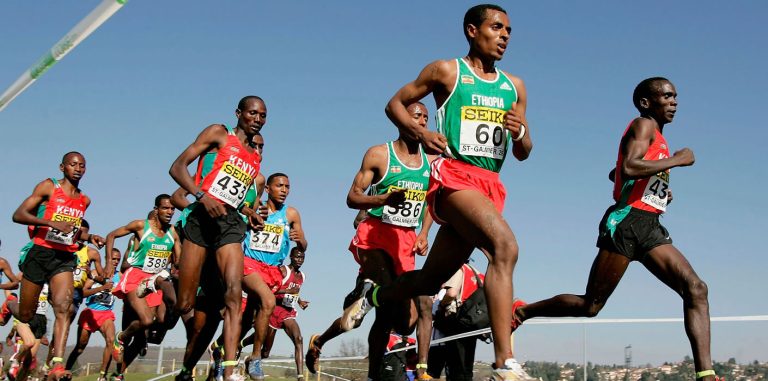
The young runner needs a proper track. The swimmer needs access to a safe and functional pool. The basketball player needs a court. The boxer needs a well-equipped training centre. The aspiring professional needs qualified coaching, medical support and opportunities to compete.
These are not luxuries. They are essential components of a functioning sporting ecosystem.
The continent must also recognise that sports infrastructure has value beyond professional competition. It supports education, recreation, public health, employment, tourism, community engagement and national development.
A well-managed sports complex can create opportunities for athletes and non-athletes alike. It can become a centre for learning, business, entertainment and community life.
The real measure of progress is not how many facilities are commissioned, but how many people use them, how well they are maintained and what opportunities they create.
Africa does not need infrastructure built merely to impress visitors or dominate headlines.
It needs infrastructure built to serve people, develop talent and produce lasting results.
Champions need more than ambition. They need places where ambition can become achievement.
And that is the infrastructure Africa must build to win.

VOAM SPORT AFRICA | THE TAKEAWAY
Africa’s sporting future depends on more than stadium construction. It requires an integrated network of community facilities, specialist training centres, sports medicine services, indoor arenas, aquatic complexes and professionally managed competition venues.
Investment must extend beyond construction to include maintenance, skilled personnel, technology, accessibility and sustainable operating models.
The objective is to create facilities that develop champions while also serving communities, supporting businesses and strengthening the wider sports economy.
VOAM QUESTION
If you had the opportunity to build one major sporting facility in your community, which facility would you prioritise, and how would you ensure that it remains functional, accessible and useful for generations?