




























A business can begin in a small shop, a family workshop, a home office, a roadside market or a modest warehouse. Its first customers may come from one neighbourhood, one town or one city.
But ambition does not have to stop at the national border.
Across Africa, entrepreneurs are discovering opportunities beyond their immediate markets. A fashion label in Lagos can attract customers in Accra. A technology company in Nairobi can develop solutions for businesses in Kigali. A food-processing enterprise in Ghana can explore distribution opportunities in Côte d’Ivoire. A creative agency in Johannesburg can serve clients across several African countries.
The African entrepreneur is beginning to think differently about the meaning of a market.
Instead of asking only, “How can I grow my business in my country?”, a new question is emerging:
“How can I build a business that serves Africa?”
This is the ambition behind the borderless market.
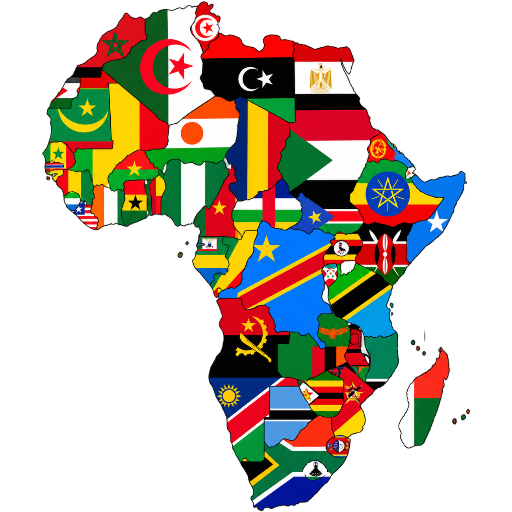
It is a vision of an Africa where entrepreneurs can find suppliers, customers, partners, investors and talent across national boundaries, and where commercial expansion is supported by better infrastructure, regional cooperation and accessible digital systems.
The opportunity is enormous. So are the challenges.
THE NEW AFRICAN ENTREPRENEURIAL FRONTIER
For many African businesses, the domestic market is the natural starting point. Entrepreneurs understand local customers, regulations, culture, distribution channels and business conditions.
However, national markets can also impose limitations.
A business may reach a point where local demand is insufficient to support further expansion. Production capacity may exceed domestic consumption. A product may attract interest from neighbouring countries. A technology solution developed for one market may be useful in several others.
At this stage, regional expansion becomes a strategic opportunity.
The entrepreneur must begin to think about market size, cross-border logistics, foreign-exchange arrangements, product standards, taxation, partnerships and customer behaviour in other countries.
This transition requires a different level of business planning.
Selling to another African country is not simply an extension of local sales. It is an entry into a new commercial environment.
The businesses that succeed will be those that understand both the opportunities and the practical realities of operating across borders.
THE CONTINENT IS FULL OF OPPORTUNITY
Africa’s commercial potential is spread across different regions, industries and consumer markets.
West Africa offers opportunities in food processing, entertainment, fashion, financial services, agriculture, construction and consumer goods.
East Africa has growing commercial networks involving technology, agriculture, logistics, tourism, financial services and manufacturing.
Southern Africa offers industrial, mining, financial, agricultural and professional service opportunities.
North Africa has established commercial links with Europe and the Middle East, alongside opportunities in manufacturing, energy, tourism and trade.
Central Africa offers opportunities in agriculture, natural resources, logistics, infrastructure and consumer markets, although security and infrastructure constraints vary significantly across the region.
These markets are not identical.
They have different languages, currencies, regulatory systems, consumer preferences, political environments and business cultures.
But their differences also create opportunities for entrepreneurs who can develop products and services suited to particular markets.
A business that understands these differences can build a regional strategy rather than assume that one product, price or marketing message will work everywhere.
THE ENTREPRENEURS ALREADY CROSSING BORDERS
Africa’s cross-border business story is not limited to large multinational corporations.
It includes technology founders, manufacturers, traders, logistics operators, fashion entrepreneurs, agricultural processors, creative professionals and small-business owners.
Their experiences reveal how continental commerce is developing.
1. FINANCIAL TECHNOLOGY: PAYMENTS WITHOUT COMMERCIAL DISTANCE
One of the biggest barriers to cross-border business has traditionally been the difficulty of moving money between countries.
Financial technology companies are working to address this challenge through payment platforms, digital banking services, remittance solutions and business-payment systems.
Companies such as Flutterwave, founded in Nigeria, and other African fintech businesses have developed payment infrastructure intended to help businesses and individuals transact across markets.
Their work illustrates an important principle: trade cannot expand efficiently if payments remain complicated, expensive or unreliable.
For an online retailer, consultant or digital entrepreneur, the ability to receive payments from customers in another country can be as important as finding those customers.
However, payment services operate under different regulatory frameworks, licensing requirements and currency arrangements. Businesses must verify which services are available in each market and understand their transaction costs.
2. E-COMMERCE: THE CUSTOMER IS NO LONGER NEXT DOOR
Digital commerce has created new possibilities for African entrepreneurs.
A business can showcase products online, receive enquiries from other countries and build relationships with customers it may never meet physically.
Fashion, beauty products, books, electronics, food products, household goods and creative merchandise can all benefit from online distribution.
But cross-border e-commerce requires more than an attractive website.
Entrepreneurs need reliable delivery partners, clear product descriptions, customer support, payment options, returns policies, appropriate tax arrangements and an understanding of import requirements.
A business that cannot deliver consistently will struggle to retain customers, regardless of how effective its digital marketing may be.
The opportunity is to combine digital visibility with professional fulfilment systems.
3. AGRICULTURE: CONNECTING FARMERS TO REGIONAL BUYERS
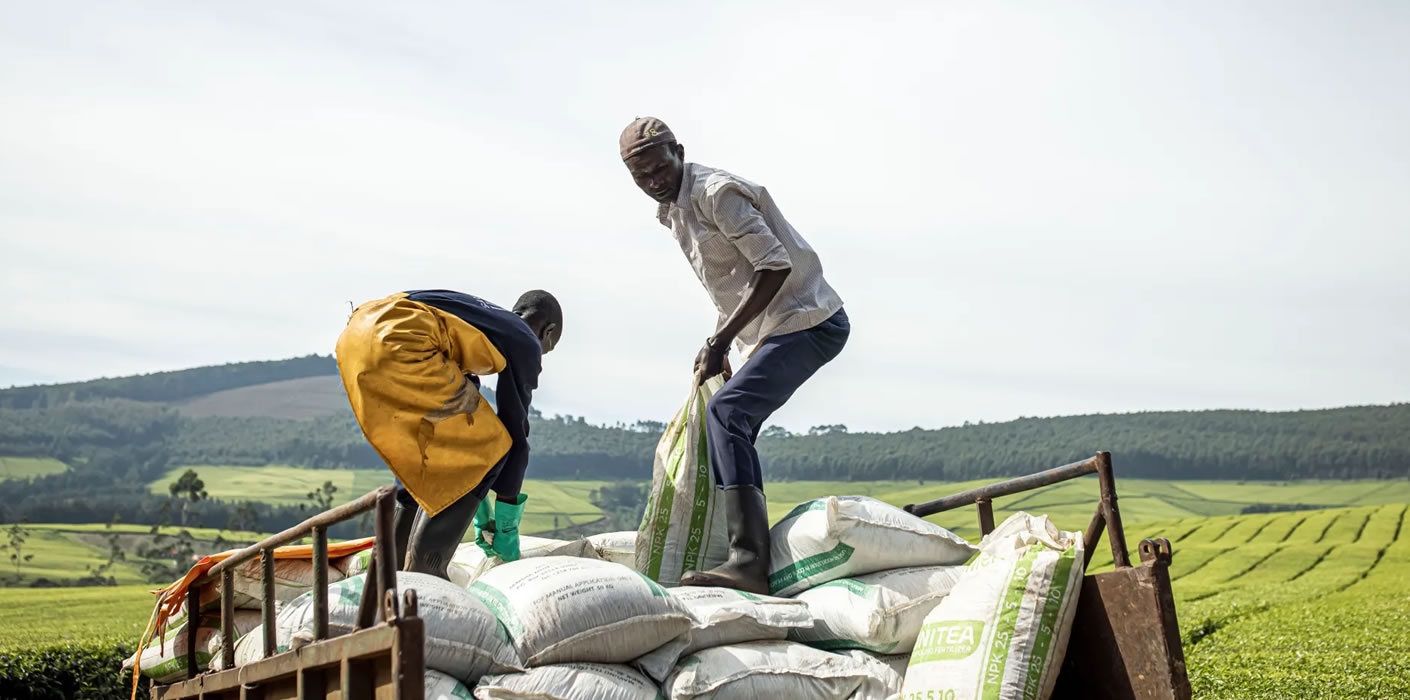
Agriculture offers enormous opportunities for cross-border enterprise.
A farmer or agricultural processor may have access to products that are in demand in neighbouring countries.
However, connecting producers to buyers requires reliable supply, storage, quality control, packaging, transportation and market information.
Entrepreneurs who can organise these systems can create value across the agricultural supply chain.
They can connect farmers with wholesalers, food manufacturers, supermarkets, restaurants and institutional buyers.
The opportunity extends beyond trading raw produce. It includes processed foods, agricultural inputs, equipment, animal feed, packaging and technology services.
4. FASHION: AFRICAN BRANDS WITH REGIONAL AMBITION
African fashion is increasingly visible across international markets.
Designers and fashion entrepreneurs can reach customers through digital platforms, fashion exhibitions, retail partnerships and cultural events.
A label established in one country may find commercial opportunities in another because of shared cultural interests, diaspora networks or demand for distinctive African designs.
But regional expansion requires attention to sizing standards, production capacity, customs procedures, delivery costs, consumer preferences and brand protection.
Fashion entrepreneurs who build reliable production and distribution systems can turn regional recognition into sustainable business growth.
5. CREATIVE ENTERPRISE: STORIES THAT TRAVEL
Music, film, publishing, photography, animation and digital content naturally cross geographical boundaries.
A film produced in one African country can attract audiences in several others. A musician can collaborate with performers across regions. A publishing company can distribute books and magazines to readers beyond its home market.
Creative entrepreneurs can also develop regional businesses in event production, talent management, content distribution, advertising and cultural tourism.
The challenge is to manage intellectual property, licensing, contracts, distribution and fair revenue sharing across different jurisdictions.
A creative product may travel easily, but the business arrangements behind it must be properly organised.
THE ROLE OF THE AFRICAN CONTINENTAL FREE TRADE AREA
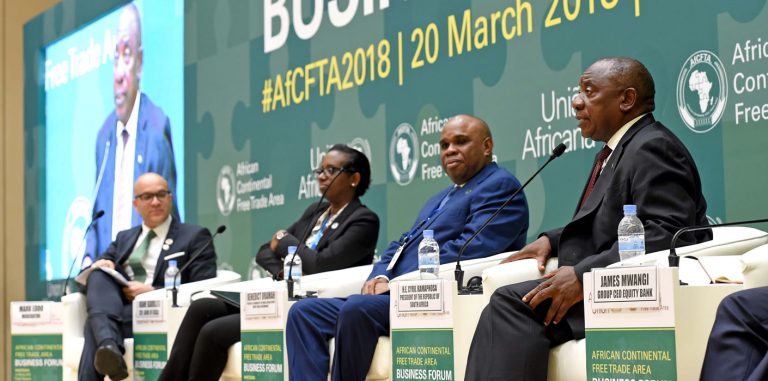
The African Continental Free Trade Area provides a major framework for developing a more integrated African market.
Its ambition is to reduce trade barriers, improve market access and support the movement of goods and services across the continent.
For entrepreneurs, this could create opportunities to:
- Reach customers beyond their home countries.
- Source raw materials and industrial inputs regionally.
- Build partnerships with businesses in other African markets.
- Participate in regional manufacturing and distribution networks.
- Develop products for a larger consumer base.
- Attract investment from across the continent.
However, the practical benefits depend on implementation.
Businesses must understand applicable tariff schedules, rules of origin, customs requirements, product standards and national procedures.
A product does not automatically qualify for preferential treatment simply because it is made in an African country.
Entrepreneurs must also recognise that different sectors may be subject to specific licensing, certification and professional requirements.
AfCFTA creates a framework for opportunity. Businesses still need to understand how to use it.
THE DIGITAL BRIDGE: TECHNOLOGY IS CHANGING HOW AFRICA DOES BUSINESS
Technology is becoming one of the most important tools for crossing commercial borders.
A small business can use digital platforms to identify suppliers, communicate with buyers, advertise products, manage inventory, receive payments and coordinate deliveries.
Cloud-based accounting and business-management systems can support operations across different locations.
Digital marketplaces can connect producers with customers. Video conferencing can make regional partnerships easier. Online training can help entrepreneurs understand new markets.
Technology also allows businesses to operate without establishing a physical office in every country they serve.
But digital access alone does not eliminate commercial barriers.
Internet costs, unreliable electricity, cybersecurity risks, digital payment restrictions and differences in data-protection regulations can affect operations.
Entrepreneurs must also protect customer information, secure their digital platforms and develop systems that can scale as their businesses grow.
The digital bridge is valuable only when it connects to dependable commercial infrastructure.
THE LOGISTICS QUESTION: HOW WILL THE PRODUCT ARRIVE?
A customer may be ready to buy. A supplier may be ready to sell. Payment may even have been arranged.
But the transaction is incomplete until the product arrives.
Logistics remains one of the most important challenges facing cross-border businesses in Africa.
Transport costs, customs procedures, road conditions, port delays, border congestion, warehousing limitations and inadequate tracking systems can make regional distribution difficult.
For small businesses, these costs can consume a significant portion of profit margins.
Entrepreneurs must therefore develop logistics strategies before entering new markets.
This may involve working with established freight companies, regional distributors, third-party fulfilment providers or specialised cross-border delivery services.
Businesses handling food, pharmaceuticals, cosmetics and other regulated products must also consider storage conditions, product certification and applicable safety requirements.
The future of cross-border commerce will depend partly on the quality of logistics companies and trade infrastructure supporting it.
THE AFRICAN ENTREPRENEUR’S SEVEN-STEP EXPANSION STRATEGY
Cross-border expansion should be planned, not improvised.
An entrepreneur who wants to enter another African market can begin with seven practical steps.
Step 1: Identify the right market
Do not expand simply because another country is nearby. Research consumer demand, competition, purchasing power, cultural preferences and the commercial environment.
Step 2: Test the product or service
Determine whether customers in the target market actually need the product. Use surveys, pilot sales, online campaigns, trade exhibitions or local business partners to validate demand.
Step 3: Understand the regulations
Research business registration, taxes, customs requirements, product standards, import permits, professional licensing and any sector-specific rules.
Step 4: Find reliable local partners
A distributor, agent, supplier, logistics company or joint-venture partner can provide valuable market knowledge. Conduct due diligence before entering into agreements.
Step 5: Calculate the full cost of expansion
Consider production, packaging, freight, insurance, customs charges, taxes, currency conversion, payment fees, marketing and after-sales service.
Step 6: Build a dependable operating system
Establish clear contracts, accounting procedures, customer-service arrangements, inventory controls and performance monitoring.
Step 7: Expand gradually
Start with a manageable market or pilot arrangement. Evaluate performance, identify problems and strengthen operations before committing significant resources.
Regional growth should be built on evidence, not excitement.
WHY SMALL AND MEDIUM-SIZED BUSINESSES MATTER
Africa’s borderless market cannot be built by large corporations alone.
Small and medium-sized enterprises are central to employment, innovation, local production and everyday commerce.
They often understand community needs better than large businesses and can respond quickly to changing consumer preferences.
A small food-processing company may supply restaurants in neighbouring countries. A local software firm may develop accounting solutions for businesses across a region. A fashion entrepreneur may build a customer base through social media and regional retail partnerships.
But smaller businesses face specific challenges.
They may lack access to affordable trade finance, export documentation support, market intelligence, insurance, professional legal advice and reliable logistics.
They may also struggle to meet large orders or maintain consistent product quality.
Governments, development institutions, business associations and financial organisations should therefore make regional trade support accessible to smaller enterprises.
This includes export-readiness programmes, affordable financing, digital trade information, simplified procedures and business-to-business networking.
A borderless market must be accessible to the entrepreneur with five employees, not only the corporation with five thousand.
WOMEN AND YOUNG ENTREPRENEURS: EXPANDING THE OPPORTUNITY
Women and young people are important participants in Africa’s entrepreneurial landscape.
They operate businesses in agriculture, fashion, technology, food processing, retail, professional services, manufacturing and creative industries.
Yet many face unequal access to finance, commercial networks, business training and formal trade opportunities.
Women engaged in informal cross-border trade may encounter particular challenges involving border procedures, safety, access to information and limited financial services.
Young entrepreneurs may have innovative products and digital skills but lack the capital, experience and institutional connections required to enter new markets.
A stronger continental market should deliberately address these barriers.
This means expanding access to financing, mentorship, export training, digital tools, trade information and regional business networks.
The objective should be to ensure that Africa’s economic integration creates opportunities for a wider range of entrepreneurs.
TRUST: THE FOUNDATION OF CROSS-BORDER COMMERCE
Trade is built on trust.
A supplier must trust that payment will be received. A buyer must trust that the product will meet agreed standards. A distributor must trust that the business can deliver consistently.
Cross-border transactions introduce additional risks because the parties may operate under different legal systems and commercial practices.
Entrepreneurs should therefore use clear written agreements, verify business identities, conduct due diligence and establish transparent payment and delivery arrangements.
They should understand how disputes will be resolved and seek appropriate professional advice when entering significant transactions.
Trust also depends on reputation.
Businesses that deliver quality products, honour agreements and respond professionally to customers are more likely to build lasting regional relationships.
A borderless market does not mean a market without rules. It means a market where trustworthy businesses can operate across borders with greater confidence.
THE ROLE OF BUSINESS ASSOCIATIONS AND TRADE NETWORKS
Entrepreneurs do not have to navigate regional expansion alone.
Chambers of commerce, trade associations, export promotion agencies, professional organisations and industry networks can help businesses identify opportunities and establish commercial relationships.
Trade fairs and business exhibitions provide platforms for meeting buyers, distributors, investors and suppliers.
Regional business forums can encourage partnerships between entrepreneurs in different countries.
Industry associations can also share information about regulations, standards, market developments and commercial risks.
These networks are particularly important for smaller businesses that cannot afford extensive international market research.
A well-connected entrepreneur may discover a supplier, distributor or investor through a business association that would otherwise have been difficult to reach.
Continental integration requires not only government-to-government cooperation but also business-to-business relationships.
WHAT COULD A BORDERLESS AFRICA LOOK LIKE?
Imagine a food-processing company in Ghana sourcing agricultural inputs from Côte d’Ivoire, using packaging materials from Nigeria and distributing finished products to supermarkets across West Africa.
Imagine a technology company in Kenya serving clients in Uganda, Tanzania and Rwanda while employing software developers working remotely from different countries.
Imagine a fashion brand in Senegal collaborating with textile producers in Morocco, designers in Nigeria and retailers in South Africa.
Imagine a publishing company producing African content and distributing it through digital and physical channels across the continent.
These are not simply stories about larger companies.
They represent opportunities to create employment, develop skills, strengthen supply chains and build commercial relationships between African economies.
The future of the borderless market is not that every African business must operate everywhere.
It is that every capable African business should have a realistic opportunity to explore markets beyond its national boundaries.
THE OBSTACLES AFRICA MUST REMOVE
The ambition of a connected African market will remain incomplete unless several challenges are addressed.
1. Inconsistent trade implementation: National commitments must translate into practical improvements for businesses.
2. Expensive logistics: Roads, railways, ports, warehouses and delivery systems must become more efficient.
3. Payment difficulties: Cross-border financial services need to become more accessible, affordable and reliable.
4. Regulatory complexity: Businesses need clearer and more predictable rules across markets.
5. Limited market information: Entrepreneurs require accurate information about customers, suppliers, standards and commercial opportunities.
6. Access to finance: Smaller businesses need appropriate financing to support production, inventory and expansion.
7. Political and security risks: Stable trade relationships and secure commercial corridors are essential for investment.
8. Limited business capacity: Entrepreneurs need professional skills in finance, management, compliance, marketing, technology and international trade.
These issues cannot be solved by entrepreneurs alone. They require cooperation between governments, institutions, financial organisations and the private sector.
THE NEXT GENERATION OF AFRICAN BUSINESS
Africa’s future business leaders must develop a continental mindset.
They must understand that their customers, competitors, suppliers and partners may be located beyond the borders of their home countries.
They must learn to negotiate across cultures, manage international transactions, understand regional regulations and build businesses that can operate in different commercial environments.
Business schools, universities, incubators and enterprise-development organisations should incorporate regional trade, export management, international marketing, digital commerce and supply-chain management into their programmes.
Governments should make trade information easier to access and create practical support systems for entrepreneurs seeking to expand.
Investors should recognise the potential of businesses that solve regional problems rather than focus exclusively on domestic markets.
The next generation of African entrepreneurs must be equipped to build businesses that are locally grounded but commercially continental.
THE MARKET IS WAITING. THE SYSTEM MUST CATCH UP.
Africa’s entrepreneurs have demonstrated resilience, creativity and the ability to build businesses under difficult conditions.
They have created products, services and solutions that respond to real needs in their communities.
The next opportunity is to connect these enterprises.
A farmer should be able to find a buyer in another African country. A manufacturer should be able to source inputs regionally. A technology company should be able to serve customers across several markets. A fashion brand should be able to reach consumers beyond its home country.
This is the promise of the borderless market.
But the responsibility does not rest on entrepreneurs alone.
Governments must make trade easier. Financial institutions must improve access to capital and payments. Logistics companies must strengthen distribution. Educational institutions must develop relevant skills. Business associations must build networks. Investors must support productive enterprises.
Africa does not need to become one identical market. It needs to become a connected marketplace where its different economies can trade, collaborate and grow.
The borders on the map will remain. The commercial barriers should not remain unnecessarily high.
The future belongs to entrepreneurs who can see beyond the limits of their immediate markets and build businesses that connect the continent.
Africa’s next great business opportunity may not be found in a new product alone. It may be found in connecting the markets that already exist.
VOAM TRADE AFRICA | THE TAKEAWAY
The borderless African market represents an opportunity for entrepreneurs to expand beyond national boundaries, build regional supply chains and reach new customers.
AfCFTA provides an important framework, but successful expansion requires market research, regulatory knowledge, reliable logistics, accessible payments, strong partnerships, business discipline and appropriate financing.
Africa’s commercial integration will become meaningful when small businesses, manufacturers, farmers, technology companies and creative entrepreneurs can trade across borders with greater ease and confidence.
VOAM QUESTION
If you could expand one African business or product into every region of the continent, what would it be, and what would make it competitive across different African markets?