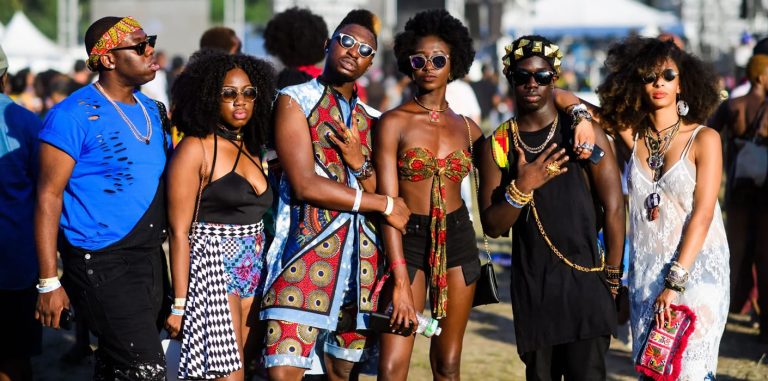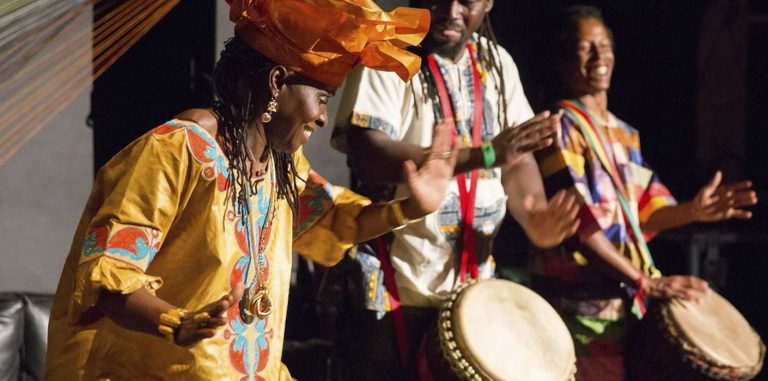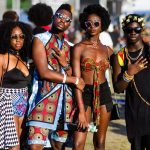

















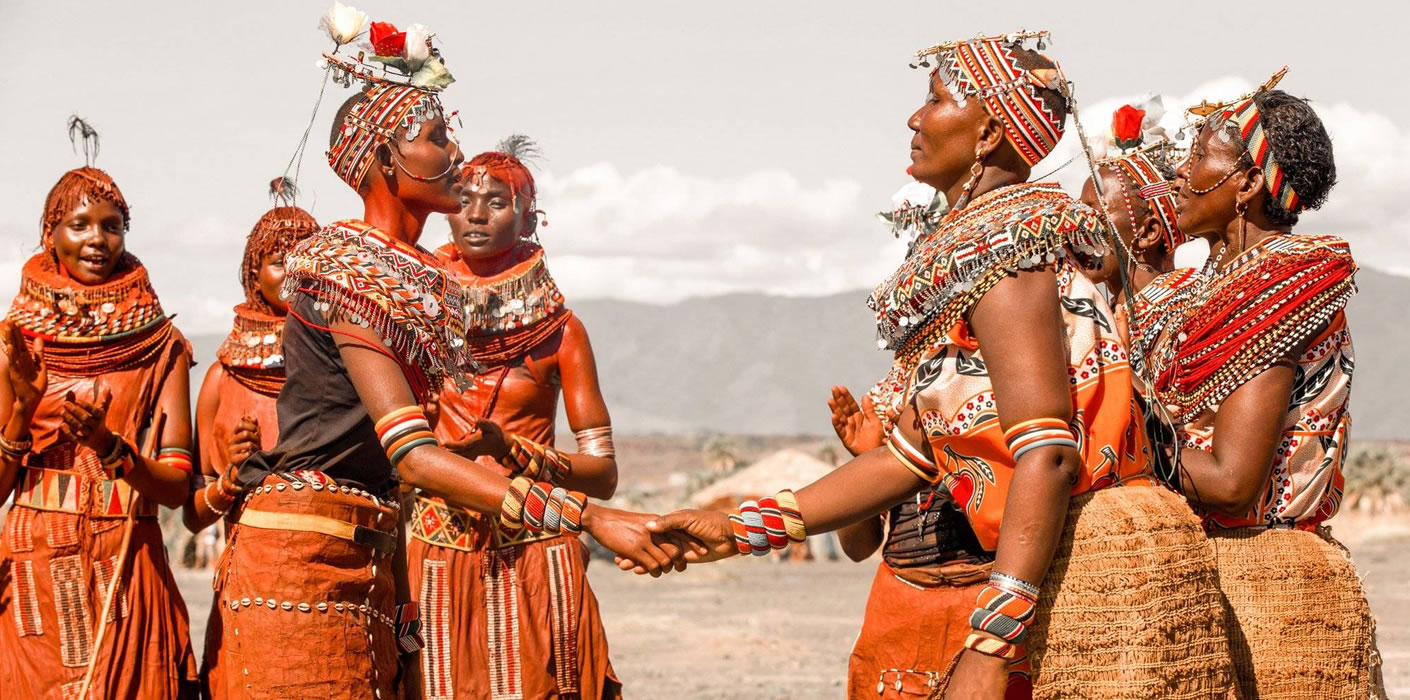

From cultural festivals and music concerts to sporting spectacles, food fairs and destination celebrations, Africa’s experience economy is creating new opportunities at the intersection of culture, tourism, hospitality and enterprise.
More Than an Event
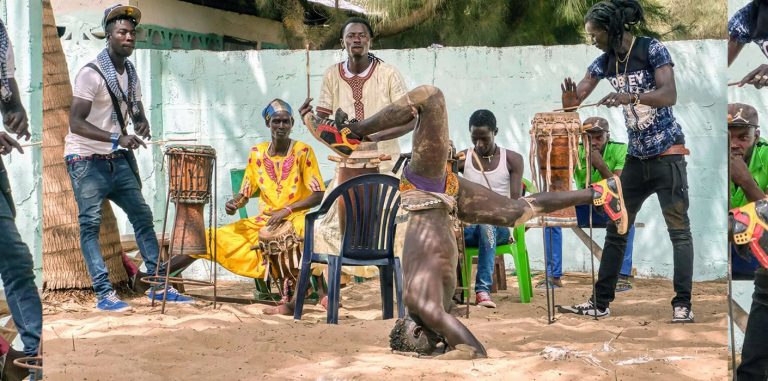
A festival can transform a city. A concert can bring thousands of visitors into a destination. A food fair can introduce forgotten culinary traditions to a new generation. A sporting event can fill hotels, restaurants and public spaces with people who have travelled to share a moment.
For a few hours or several days, an event creates its own economy. People travel, eat, shop, stay overnight, hire transport, purchase tickets and share their experiences. Businesses collaborate, temporary jobs emerge and destinations gain opportunities to tell their stories to wider audiences.
Across Africa, these possibilities connect a rich cultural landscape with an increasingly diverse events industry.
From Nigeria’s music and entertainment scene to Ghana’s cultural festivals, Kenya’s creative gatherings and South Africa’s major sporting and lifestyle events, the continent offers experiences that attract local audiences, regional visitors and international travellers.
But the opportunity extends beyond hosting a successful event. The bigger question is whether Africa can build an experience economy in which celebrations become sustainable businesses, cultural expression creates lasting value, and tourism spending benefits the communities that make each experience possible.
The Experience Economy: Why People Travel for Moments
Traditional tourism often focuses on destinations and attractions. The experience economy adds another dimension: the activity, emotion or personal connection that gives someone a reason to visit.
A traveller may choose a city because a favourite musician is performing there. A family may plan a holiday around a cultural festival. A food enthusiast may visit a destination to explore its cuisine. A sports fan may travel across borders to watch a major competition.
In each case, the event becomes a reason to travel.
This creates opportunities for destinations to attract visitors outside conventional holiday periods, encourage longer stays and introduce travellers to attractions they might otherwise overlook.
It also changes how tourism products are designed. Accommodation, transport, food, entertainment, guided tours and shopping can be coordinated around a central event, giving visitors a more complete experience.
For businesses, the potential value lies in connecting these services rather than selling them in isolation. For destinations, it lies in giving people compelling reasons to arrive, explore and return.
However, a successful event does not automatically produce a successful tourism strategy. The quality of the experience, the accessibility of the destination, the reliability of services and the distribution of economic benefits all matter.
AFRICA’S FESTIVAL LANDSCAPE
Nigeria: Music, Culture and the Energy of the City
Nigeria’s entertainment industry provides a powerful illustration of how events can shape a destination’s identity.
Lagos, with its music, film, fashion, comedy, nightlife and hospitality sectors, has developed a particularly active calendar of cultural and entertainment experiences. Concerts, creative showcases, exhibitions and seasonal festivities can bring together performers, sponsors, audiences, tourism businesses and media organisations.
The country’s wider cultural calendar includes traditional festivals, religious celebrations, community events and regional gatherings that reflect the diversity of Nigerian life.
The commercial opportunity extends across the event supply chain. Venues require technical production, lighting, sound, staging, security, ticketing, catering and logistics. Visitors may need accommodation, transport and local experiences. Artists and vendors need opportunities to reach audiences and earn income.
Yet large audiences also bring responsibilities. Traffic management, emergency planning, crowd control, sanitation, ticket transparency and the protection of nearby residents must be part of event design.
Nigeria’s opportunity is not simply to host more events. It is to build reliable, well-managed experiences that strengthen the country’s creative economy and encourage visitors to explore beyond the main performance venue.
Ghana: Culture, Festivals and Diaspora Connections
Ghana’s cultural identity is expressed through festivals, traditional ceremonies, music, visual arts, food and contemporary creative events.
For many visitors, cultural celebrations provide a way to connect with Ghana’s history and community traditions. For members of the African diaspora, travel to Ghana can also involve personal exploration, family connections and engagement with wider histories of migration and identity.
Contemporary entertainment events add another dimension. Music performances, fashion showcases, arts programmes and seasonal gatherings create opportunities for local businesses while introducing visitors to the country’s changing cultural landscape.
The opportunity lies in connecting events with a broader visitor experience. A festival trip might include visits to museums, heritage sites, restaurants, craft businesses and destinations outside the main event location.
Such arrangements can spread spending across more businesses and encourage visitors to remain longer.
For these benefits to be realised, organisers and destination partners need to coordinate accommodation, transport, visitor information, security and cultural interpretation. They must also respect the distinction between public entertainment and ceremonies whose meaning or access is governed by local tradition.
Kenya: Events and the Power of Place
Kenya’s tourism profile is internationally associated with wildlife and natural landscapes, but its experience economy also includes urban arts, cultural festivals, food, athletics, outdoor recreation and coastal heritage.
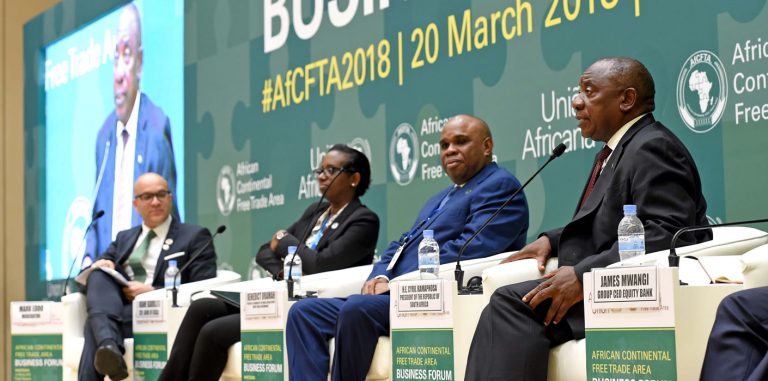
Nairobi’s creative and business communities provide a setting for conferences, exhibitions, music events and contemporary cultural gatherings. Along the coast, historic towns and Swahili cultural traditions create opportunities for heritage-focused experiences.
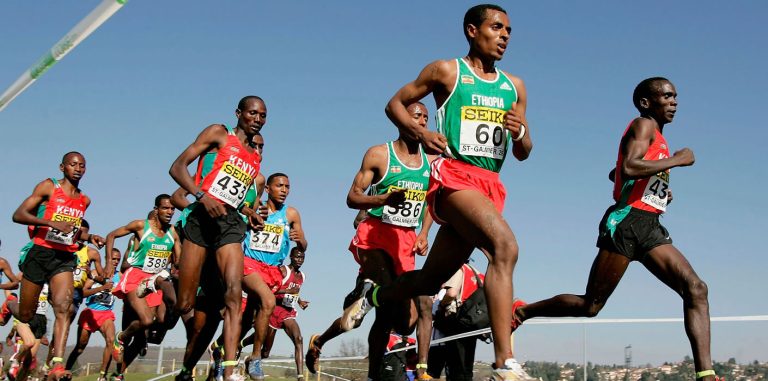
Sport adds another important dimension. Kenya’s international reputation in distance running connects athletic achievement with training culture, sporting events and interest in the communities that have produced generations of accomplished runners.
Events can help connect these different strengths. A visitor attending a conference or sporting competition may also explore cultural attractions, local restaurants, museums or nature-based experiences.
The challenge is to ensure that these activities are coordinated and accessible. Clear information, dependable transport, appropriate accommodation and credible local operators help turn a single event into a reason to discover more of the country.
South Africa: Events at the Intersection of Sport, Music and Tourism
South Africa has a diverse events landscape encompassing major sporting competitions, concerts, cultural festivals, food and wine experiences, business conferences and creative showcases.
Its established hospitality infrastructure and varied destinations provide opportunities to combine events with urban exploration, coastal visits, heritage tourism and outdoor activities.
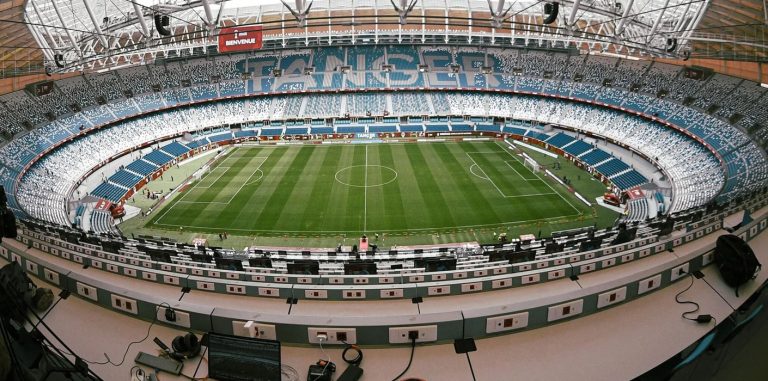
Sport is especially important as a potential tourism driver. Major competitions can attract visiting supporters, media, sponsors and teams, while creating demand for hotels, restaurants, transport and related services.
But the lasting value of a major event depends on what happens beyond the closing ceremony. Infrastructure must be maintained, local businesses must be able to participate, and the destination must offer reasons to visit again.
South Africa’s wider lesson is that events work best when they are connected to a coherent destination strategy rather than treated as isolated occasions.
These four national examples represent only part of Africa’s events landscape. Across the continent, smaller cities, rural communities and emerging creative centres also host gatherings with distinctive cultural and commercial value.
THE BUSINESS BEHIND THE EXPERIENCE
Every successful event depends on an ecosystem of people and services.
The audience sees the stage, performers, exhibition booths or sporting arena. Behind the scenes, a much larger network is at work: planners, venue operators, caterers, technicians, transport providers, designers, security professionals, cleaners, marketers, digital teams and suppliers.
This network makes events a potential source of employment and enterprise development.
1. Hospitality and Accommodation
Hotels, guesthouses, serviced apartments and other accommodation providers can benefit when visitors travel for an event. Restaurants, bars and catering businesses may also experience increased demand.
The opportunity is greatest when organisers and hospitality businesses collaborate early. Packages can combine tickets, accommodation, meals and transport, while visitor information can encourage guests to explore surrounding attractions.
However, pricing should remain transparent, and businesses should avoid exploiting visitors through misleading offers or unjustified charges during high-demand periods.
2. Transport and Mobility
Visitors need reliable ways to reach venues and move around destinations.
This creates opportunities for licensed transport providers, shuttle operators, tour companies and public transport partnerships. Clear travel information can reduce confusion and help visitors plan their journeys safely.
Large events also require careful coordination with relevant authorities to manage traffic, parking, pedestrian access and emergency routes.
Transport is not merely a support service. It is a significant part of the visitor experience.
3. Food, Retail and Local Enterprise
Events create demand for meals, refreshments, merchandise, crafts, fashion, souvenirs and other products.
Local entrepreneurs can benefit when organisers provide fair access to vendor spaces, reasonable commercial terms and clear operating requirements.
Food and craft markets can also introduce visitors to regional products and encourage spending beyond the event’s main commercial partners.
The key is to ensure that local participation is practical rather than symbolic. Vendors need suitable facilities, access to customers, clear payment arrangements and appropriate hygiene and safety standards.
4. Media, Marketing and Digital Content
Events generate stories before, during and after they take place.
Promotional campaigns, interviews, livestreams, photography, short-form videos, podcasts and post-event reports can extend an experience beyond the physical venue.
Digital coverage can also help smaller businesses reach new customers and allow audiences who cannot attend to participate remotely.
For African media organisations, this creates opportunities to develop event-focused editorial franchises, documentary content, branded coverage and partnerships with tourism and cultural institutions.
These arrangements should preserve editorial independence, distinguish advertising from reporting and obtain appropriate permissions for recording and distributing content.
5. Creative and Technical Services
Sound engineers, lighting designers, stage builders, graphics professionals, photographers, performers, choreographers, costume makers and production managers all contribute to the quality of an event.
Investing in their skills and equipment strengthens the broader creative economy.
Local technical capacity is particularly important. When more services can be sourced competitively within a destination, a greater share of event expenditure may remain in the local economy.
Professional standards, reliable payment, training and opportunities for emerging talent can help make the industry more sustainable.
FROM ONE-DAY EVENTS TO DESTINATION EXPERIENCES
An event may last a few hours, but its economic potential can extend across several days.
Consider a visitor attending a music festival. With suitable planning, that visitor could arrive a day early, explore local attractions, dine at nearby restaurants, stay overnight and visit a cultural site before returning home.
The same principle applies to sports tournaments, conferences, food festivals and heritage celebrations.
Destination managers and event organisers can work together to develop optional experiences around the main programme. These might include guided city tours, museum visits, culinary trails, craft workshops, nature excursions or locally organised cultural activities.
The approach should be based on actual visitor interests, available transport and the capacity of local businesses.
It must also respect the communities being visited. Cultural experiences should not be created without consultation, and fragile natural or historic sites should not be overwhelmed by sudden increases in visitor numbers.
When well planned, an event can become an entry point into a destination rather than a brief interruption in its normal activity.
THE ROLE OF GOVERNMENT AND PUBLIC INFRASTRUCTURE
Events rely on more than private investment.
Public authorities influence the quality of the experience through transport systems, public spaces, licensing processes, electricity, sanitation, emergency services, security coordination and infrastructure maintenance.
A supportive operating environment can make it easier for organisers to plan responsibly, obtain permits and invest with confidence.
Clear procedures are particularly important for businesses that organise events across multiple jurisdictions. Predictable requirements and coordinated approvals can reduce uncertainty while maintaining necessary safety standards.
Public authorities can also support destination marketing, skills development and the preservation of cultural sites. Partnerships with community organisations, tourism boards and private operators may help expand the range of experiences available to visitors.
However, public investment should be assessed carefully. Event-related expenditure must be justified by realistic economic and social objectives, with transparent procurement, clear accountability and an understanding of long-term operating costs.
A large crowd is visible evidence of attendance, not proof that an event has delivered broad economic benefits.
MEASURING SUCCESS BEYOND ATTENDANCE
Event organisers often focus on ticket sales, visitor numbers, media impressions and sponsorship revenue. These indicators matter, but they do not tell the whole story.
A stronger assessment considers several dimensions.
Economic value: How much spending reaches local businesses, workers and suppliers? What proportion of jobs is temporary, and what opportunities remain afterwards?
Visitor experience: Were attendees satisfied? Did they feel safe? Would they recommend the event or return?
Community impact: Were residents consulted? Were local businesses able to participate? Did the event create excessive noise, congestion or disruption?
Cultural integrity: Were traditions represented accurately? Were performers and cultural practitioners fairly compensated? Were necessary permissions obtained?
Environmental performance: How were waste, water, energy, transport and site restoration managed?
Long-term legacy: Did the event strengthen local skills, infrastructure, partnerships or destination recognition?
These measures help distinguish a successful spectacle from an event that creates lasting value.
CHALLENGES THE INDUSTRY MUST CONFRONT
Africa’s events industry has significant potential, but growth requires practical solutions to persistent challenges.
Infrastructure limitations can affect power supply, transport, sanitation and venue capacity. Financing may be difficult for independent organisers, while currency movements and changing costs can undermine budgets. Weather conditions can disrupt outdoor programmes, and unreliable information can reduce visitor confidence.
Safety remains fundamental. Events must have appropriate crowd-management plans, emergency access, medical arrangements, trained personnel and procedures for responding to changing conditions.
There is also the challenge of seasonality. Some destinations experience concentrated periods of activity followed by quieter months. A more diverse calendar of cultural, sporting, business and leisure events may help distribute demand, provided each event has a viable audience and sound financial planning.
Finally, the industry must avoid measuring success solely by size. Smaller community festivals can deliver meaningful cultural and economic value without attracting enormous crowds. Their success should be assessed in relation to their purpose, resources and community priorities.
THE OPPORTUNITY FOR AFRICA
Africa’s experience economy sits at the intersection of several industries that are often planned separately: tourism, culture, entertainment, hospitality, sport, transport, media and commerce.
Bringing these sectors together can create new products and markets.
A heritage festival can support artisans and guides. A sports competition can attract visitors and generate demand for accommodation. A food fair can promote agricultural producers and restaurants. A music event can provide opportunities for performers, technical crews, fashion designers and digital media professionals.
The greatest opportunity is to build connections among these activities while ensuring that the benefits are shared fairly.
This requires professional event management, credible destination marketing, accessible infrastructure, transparent commercial relationships and respect for the people whose creativity and traditions make the experiences distinctive.
It also requires African stories to be documented and communicated effectively. When visitors understand the meaning behind an event, they are more likely to appreciate its cultural value rather than seeing it as entertainment alone.
WHEN THE CROWD GOES HOME
After the music stops and the venue empties, the real legacy of an event begins to emerge.
Did local businesses gain new customers? Did emerging artists receive meaningful opportunities? Were cultural traditions respected? Did visitors discover more of the destination? Was the site restored properly? Did the event strengthen the community’s confidence in hosting future gatherings?
These questions matter because the future of the experience economy will not be determined by spectacle alone.
Africa already possesses extraordinary cultural diversity, creative talent, sporting ambition and entrepreneurial energy. The opportunity is to connect these strengths with the planning, infrastructure and investment needed to deliver reliable, responsible and memorable experiences.
When this happens, a festival becomes more than a date on the calendar. It becomes a meeting point for culture and commerce, a platform for local enterprise and a reason for people to discover a destination more deeply.
Africa comes alive whenever people gather to celebrate. The next challenge is to ensure that the value created by those gatherings continues long after the final performance.

VOAM EXPERIENCE AFRICA | THE TAKEAWAY
Festivals and events can become powerful engines of tourism and enterprise when they connect visitors with local culture, businesses and destinations. Their success should be measured not only by attendance and revenue, but also by visitor satisfaction, community benefit, cultural respect and long-term impact.
VOAM QUESTION
Which African festival, sporting event or cultural gathering deserves to become a major international destination experience—and what would it take to develop it responsibly?